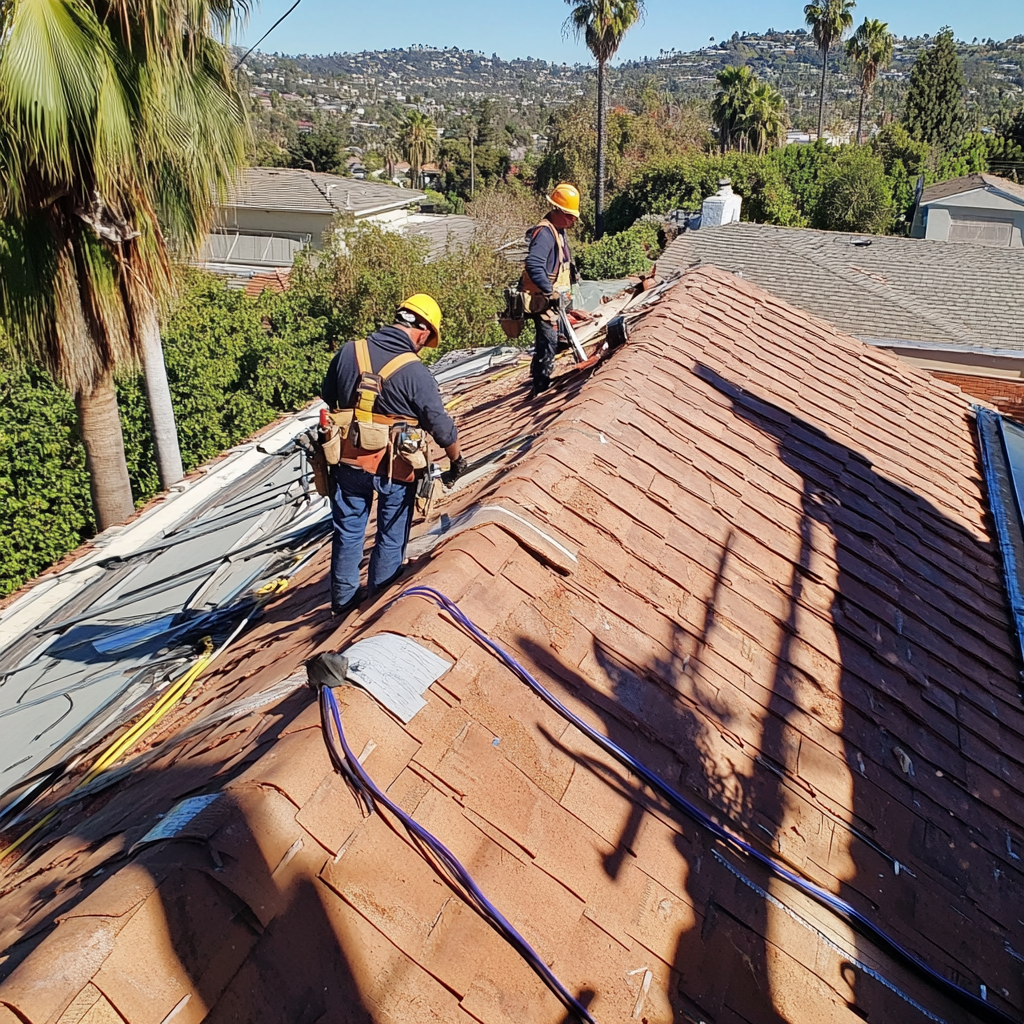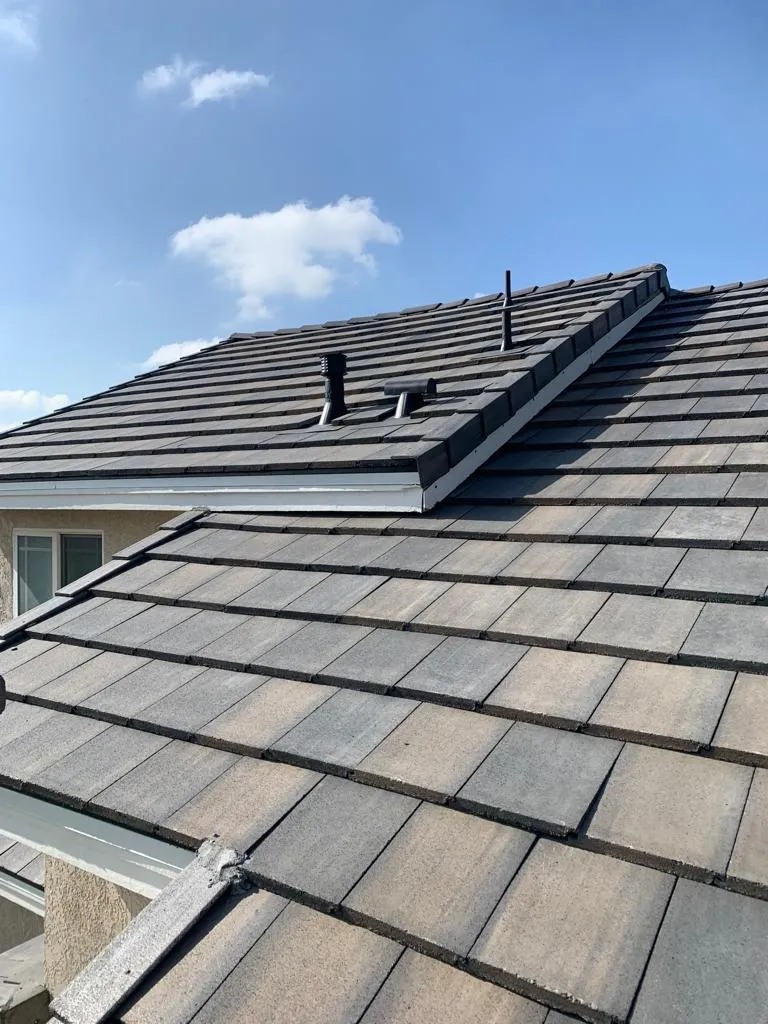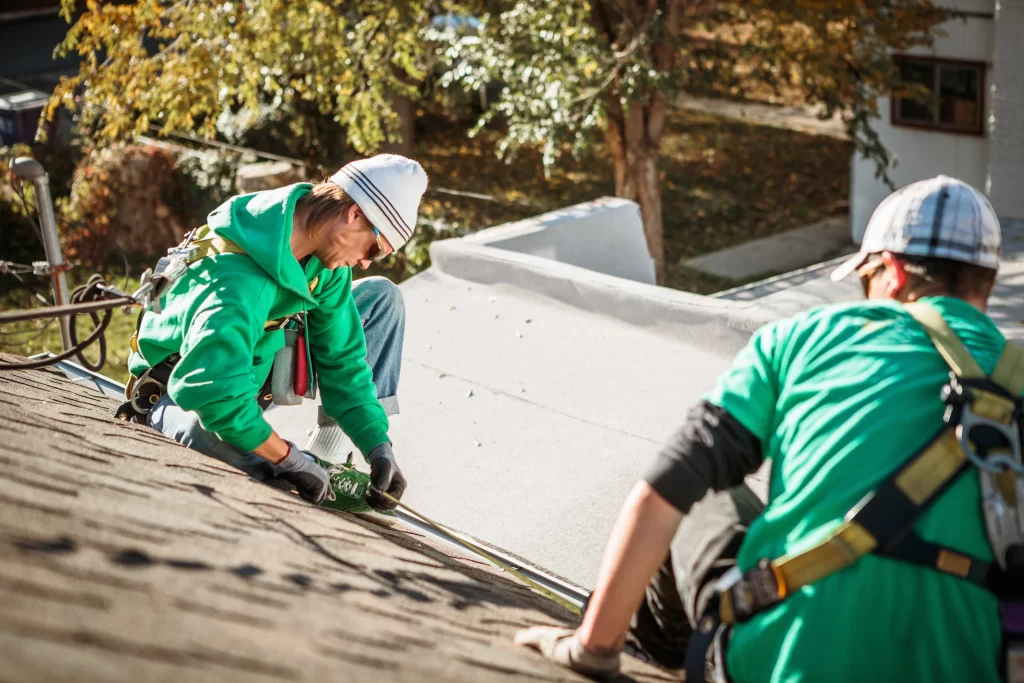
Roof sealants are often used around vents, flashing, roof penetrations, seams, skylights, edges, and repair areas to help keep water out. When applied properly as part of a complete roofing system, sealant can help protect vulnerable spots. But roof sealant is not permanent. Over time, it can dry out, crack, shrink, separate, or fail.
For homeowners in Van Nuys and the San Fernando Valley, roof sealant failure is especially common because of heat, sun exposure, dry weather, wind, and roof movement. A sealant that looked fine last year may become brittle after months of UV exposure. A small crack may not matter during dry weather, but it can become a leak point when rain finally arrives.
Roof sealants often fail because of age, extreme heat, sun exposure, poor surface preparation, roof movement, improper application, standing water, damaged flashing, or underlying roof problems. If you notice cracked sealant, water stains, attic moisture, or leaks near vents or flashing, Van Nuys Roof Repair can inspect the area and determine whether a simple repair is enough or whether a larger roofing issue needs attention.
What Is Roof Sealant Used For?
Roof sealant is a flexible material used to help seal small gaps, joints, seams, and transitions on a roof. It may be applied around vent pipes, flashing edges, skylights, roof penetrations, low-slope roof seams, metal details, or previous repair areas.
Sealant is not meant to replace proper roofing materials. It works best when used as part of a complete system that includes correctly installed shingles, tiles, underlayment, flashing, and drainage. When sealant is used as a quick patch over a deeper problem, it may only hide the issue temporarily.
That distinction matters. If a roof leak is caused by damaged flashing, failing underlayment, cracked shingles, or rotted decking, applying sealant may not solve the source of the leak. It may only delay the repair until the next storm.
San Fernando Valley Heat Can Dry Out Sealants
Heat is one of the biggest reasons roof sealants crack or fail in Van Nuys. Roof surfaces can become extremely hot under direct sun, especially during long summer days. Over time, that heat can dry out sealants and cause them to lose flexibility.
When sealant becomes brittle, it may no longer expand and contract with the roof. Instead, it can split, peel, or pull away from the surface. Once that happens, water may enter through the gap.
This is one reason roof leaks may show up after the first rain following a long dry stretch. The roof may have been damaged by heat for weeks or months, but the problem does not become obvious until water tests the weak spot.
Van Nuys Roof Repair’s article on how San Fernando Valley heat damages roofs in Van Nuys explains why local weather can accelerate roof material wear.
UV Exposure Breaks Down Roofing Materials
Sun exposure does more than make a roof hot. UV rays can gradually break down roofing materials, including sealants. As sealant ages under direct sunlight, it may become chalky, stiff, cracked, or less adhesive.
This is especially common in exposed areas around vents, roof edges, skylights, and flashing. If the sealant is constantly exposed and not protected by other materials, it may wear down faster.
In a sunny climate like Van Nuys, UV exposure is a long-term concern. Even if the roof has not leaked yet, sealant that looks cracked or dried out should be checked before rainy weather arrives.
Roof Movement Can Pull Sealant Apart
Roofs naturally expand and contract as temperatures change. Materials heat up during the day and cool down at night. Metal flashing, shingles, tiles, and roof decking can all move slightly over time.
Good sealant is designed to handle some movement. But as it ages or dries out, it may lose flexibility. When the surrounding materials shift, the sealant may crack or separate instead of stretching.
This is common around flashing, vent pipes, and roof transitions because different materials meet in those areas. Metal, wood, asphalt, tile, and plastic may not expand and contract at the same rate. That movement can stress the sealant and create openings.
Van Nuys Roof Repair’s article on what homeowners should know about roof flashing explains why roof transitions are common places for leaks to begin.
Poor Surface Preparation Can Cause Early Failure
Sealant needs a clean, dry, stable surface to bond properly. If it is applied over dust, dirt, old sealant, moisture, loose roofing material, or debris, it may not adhere well.
This can lead to early failure. The sealant may lift, bubble, peel, or separate shortly after application. In some cases, it may look like the area was repaired, but water can still find its way underneath.
Surface preparation is one reason DIY roof patches often fail. Applying a tube of sealant over a leak may seem simple, but if the area is not properly cleaned and repaired, the sealant may not last.
The Wrong Type of Sealant Was Used
Not all sealants are the same. Roof materials, slope, exposure, and repair location all affect which product should be used. A sealant that works around one roof detail may not be right for another.
Using the wrong sealant can lead to poor adhesion, cracking, staining, shrinking, or premature failure. Some products are not designed for constant UV exposure. Others may not handle ponding water, roof movement, or certain roofing materials.
A professional roofer can choose a sealant or repair method based on the roof type and the actual cause of the issue. In many cases, the best solution is not more sealant. It may be flashing repair, shingle replacement, underlayment repair, or a larger roof repair.
Sealant Was Used as a Temporary Patch
One of the most common reasons sealants fail is that they were used as a temporary fix for a bigger roof problem. A homeowner or previous contractor may have applied sealant over a leak without correcting the underlying issue.
This can happen around cracked flashing, loose shingles, failed pipe boots, damaged valleys, roof edges, or flat roof seams. The sealant may slow the leak for a while, but if water is still being directed toward the weak area, the problem can return.
Van Nuys Roof Repair’s article on why small roof leaks can become expensive repairs explains why quick fixes can become costly when water continues entering the roof system.
Damaged Flashing Can Make Sealant Fail Faster
Sealant is often found around flashing, but it should not be the only thing keeping water out. Flashing is designed to direct water away from vulnerable roof transitions. If flashing is loose, bent, rusted, missing, or installed incorrectly, sealant may be forced to do more work than it should.
When water repeatedly hits a weak flashing area, sealant can crack, wash out, or separate. The roof may leak again even if the sealant was recently applied.
This is common around chimneys, walls, roof edges, skylights, valleys, and vent pipes. If leaks keep returning near the same flashing area, the flashing itself may need repair or replacement.
Van Nuys Roof Repair’s article on what causes roof valleys to leak explains why roof transitions and drainage areas need proper flashing and protection.
Vent Pipe Boots Can Crack Around the Seal
Vent pipe boots are common roof leak points. Many have rubber components that wrap around plumbing vent pipes. Over time, heat and UV exposure can cause the rubber or sealant around the pipe to crack.
When that happens, water may run down the pipe and enter the attic or ceiling below. The leak may appear near a bathroom, kitchen, laundry room, or wall cavity.
A cracked vent boot or failed seal may look small from the roof, but it can cause noticeable interior stains. If you see a ceiling stain near a plumbing area, the roof penetration should be inspected.
Van Nuys Roof Repair’s article on what to do when you notice a ceiling water stain explains why interior stains should be checked before they spread.
Standing Water Can Weaken Sealants
Sealants can also fail when water sits on them for too long. This is especially important on flat and low-slope roofs. If water ponds around seams, drains, edges, vents, or roof equipment, it can stress sealants and shorten their lifespan.
A sealant may be able to handle rain that drains away quickly, but standing water is a different issue. Constant moisture can weaken adhesion and expose small gaps.
Flat roofs in Van Nuys should be checked for drainage problems, especially before seasonal rain. Van Nuys Roof Repair’s article on why your flat roof leaks explains why ponding water and drainage problems often lead to leaks.
Debris Can Trap Moisture Around Sealant
Leaves, dirt, twigs, roofing granules, and other debris can collect around roof valleys, gutters, vents, and flashing. When debris sits against sealant, it can trap moisture and slow drying.
This can make sealant age faster or hide cracks that are forming underneath. During rain, debris can also redirect water into weak areas instead of allowing it to drain properly.
Van Nuys Roof Repair’s article on how clogged gutters can lead to roof damage explains how blocked drainage can affect roof edges, valleys, and other vulnerable areas.
Wind Can Loosen Sealed Areas
Wind can lift shingles, shift roof materials, loosen flashing, and move debris across the roof. If a sealed area is already weak, wind can make the separation worse.
This matters because wind damage may happen before rain arrives. A sealed vent, flashing edge, or repair area may be loosened during dry weather. Then, when rain finally comes, the roof leaks.
Van Nuys Roof Repair’s article on how wind can damage a roof even without heavy rain explains why wind damage should be inspected even if there is no immediate leak.
Sealant Failure Can Affect Underlayment and Decking
A failed sealant may seem like a small surface problem, but water entering through that gap can reach hidden roof layers. Once moisture gets beneath the surface, it may affect underlayment, decking, insulation, or attic materials.
Underlayment may protect the decking for a while, but if it is old or worn, water may continue moving deeper. Decking damage can lead to soft spots, sagging, rot, or expensive repairs.
Van Nuys Roof Repair’s articles on warning signs your roof underlayment may be failing, how to know if your roof decking may be damaged, and what are soft spots on a roof explain why hidden roof damage should not be ignored.
Signs Roof Sealant May Be Failing
Homeowners may notice several warning signs of sealant failure. These can include cracked sealant, peeling edges, gaps around vents, dried or brittle caulking, stains around flashing, recurring leaks, damp attic areas, bubbling paint, ceiling stains, or water dripping during rain.
From the ground, sealant problems may be hard to see. You may only notice the leak after water reaches the interior. That is why roof inspections are helpful when a leak appears near a roof penetration, valley, wall, or vent.
Van Nuys Roof Repair’s article on how to spot roof damage from the ground explains which roof warning signs may be visible without climbing onto the roof.
Can Failed Sealant Be Repaired?
Yes, failed sealant can often be repaired if the problem is localized and the surrounding roof is in good condition. The old sealant may need to be removed, the surface prepared, and the area repaired with the right materials.
However, if the sealant failure is connected to damaged flashing, poor drainage, cracked shingles, worn underlayment, or roof decking damage, the repair may need to go beyond resealing.
A professional inspection can determine whether the problem is a simple sealant issue or a symptom of a larger roof problem. If the roof has widespread damage, repeated leaks, or aging materials, roof replacement in Van Nuys may be worth discussing.
Why DIY Sealant Repairs Often Do Not Last
DIY roof sealant repairs can be tempting because they seem quick and inexpensive. But they often fail because the source of the leak is not properly identified.
Water can enter in one place and show up somewhere else. A ceiling stain may be several feet away from the actual roof opening. A visible crack may not be the only weak point.
DIY repairs can also create problems if the wrong material is used, the surface is not prepared, or the sealant traps moisture under the roof surface.
For safety and long-term protection, roof leaks and failed sealants should be inspected by a professional before the damage spreads.
Final Thoughts
Roof sealants crack or fail because of age, heat, UV exposure, roof movement, poor application, damaged flashing, standing water, debris, wind, or underlying roof problems. In Van Nuys, the combination of intense sun, dry weather, and sudden seasonal rain can make sealant failure especially noticeable.
A cracked sealant line may look minor, but it can allow water into the roof system. Over time, that moisture can damage underlayment, decking, attic areas, and ceilings.
If you notice cracked roof sealant, recurring leaks, ceiling stains, or water around vents, flashing, valleys, or flat roof seams, contact Van Nuys Roof Repair. A professional inspection can help determine whether resealing, roof repair, or a larger roofing solution is needed.