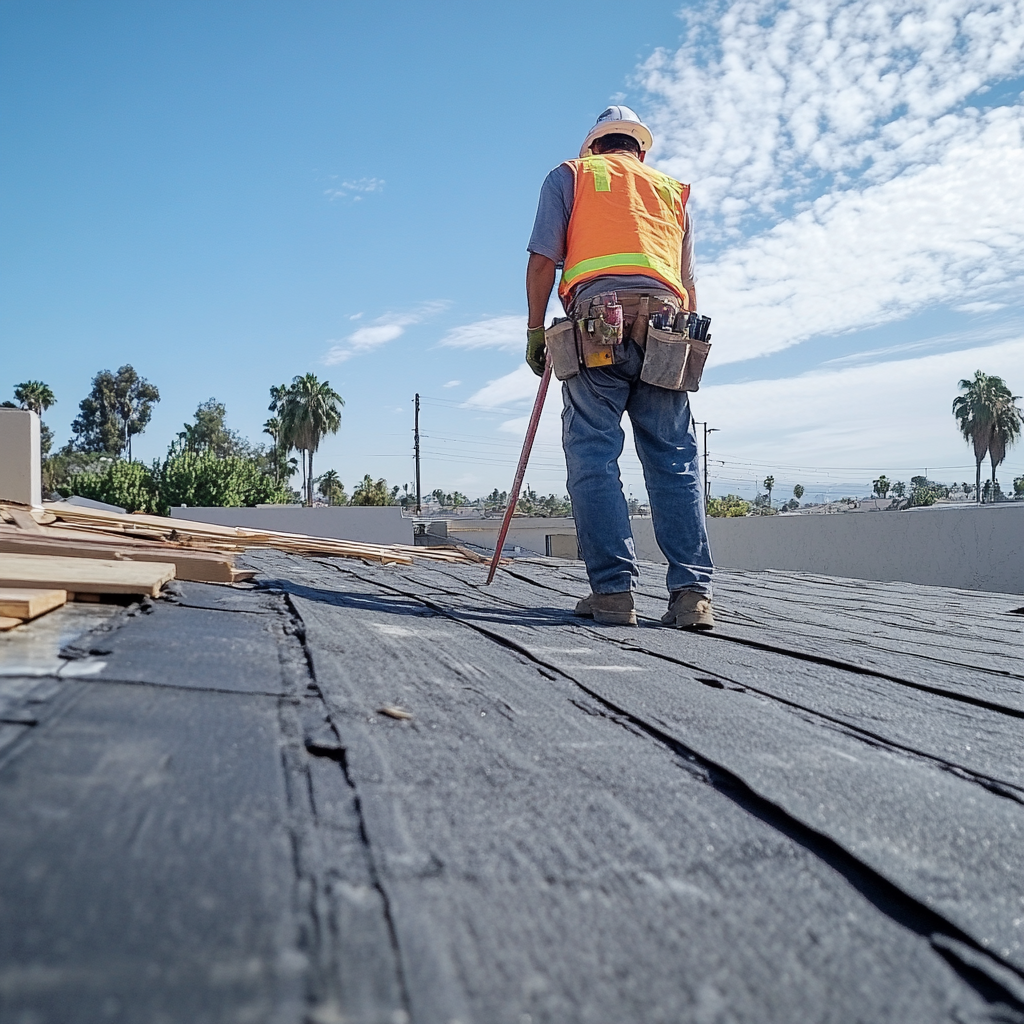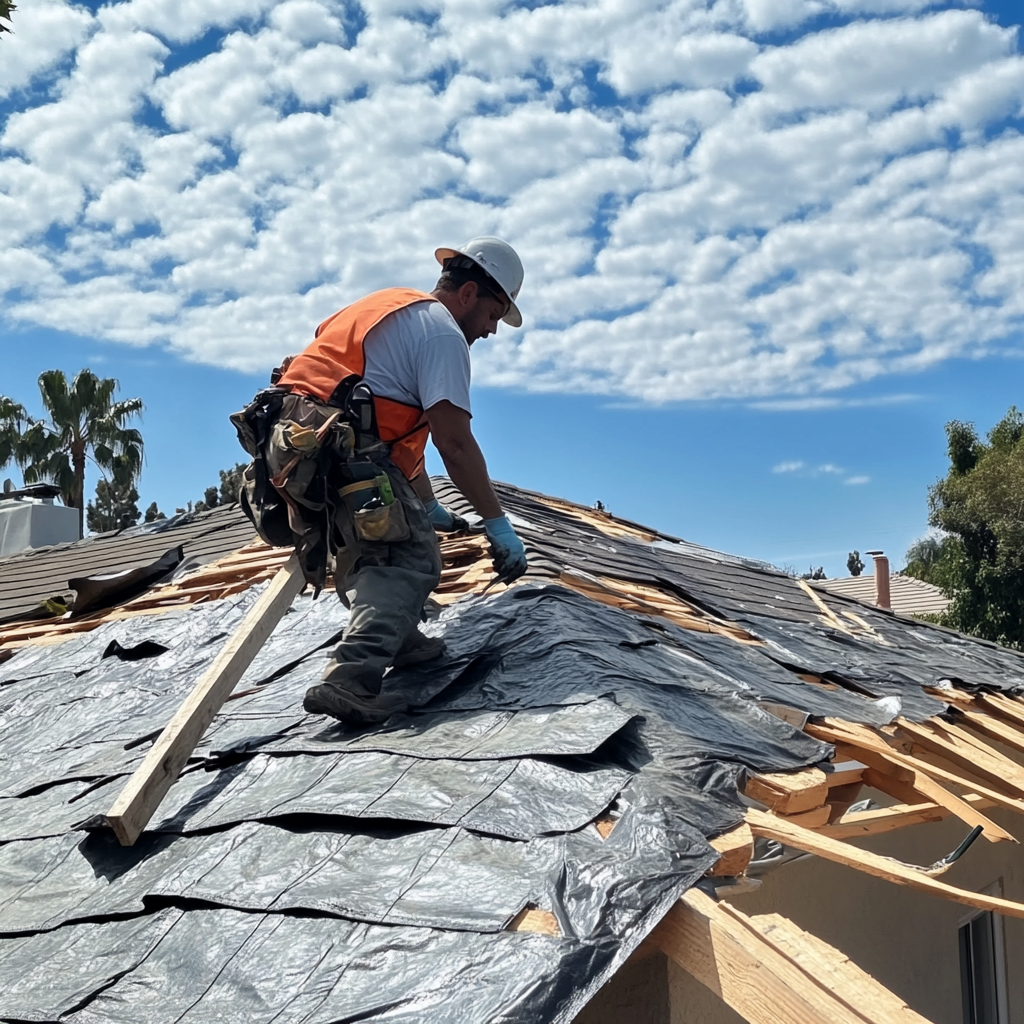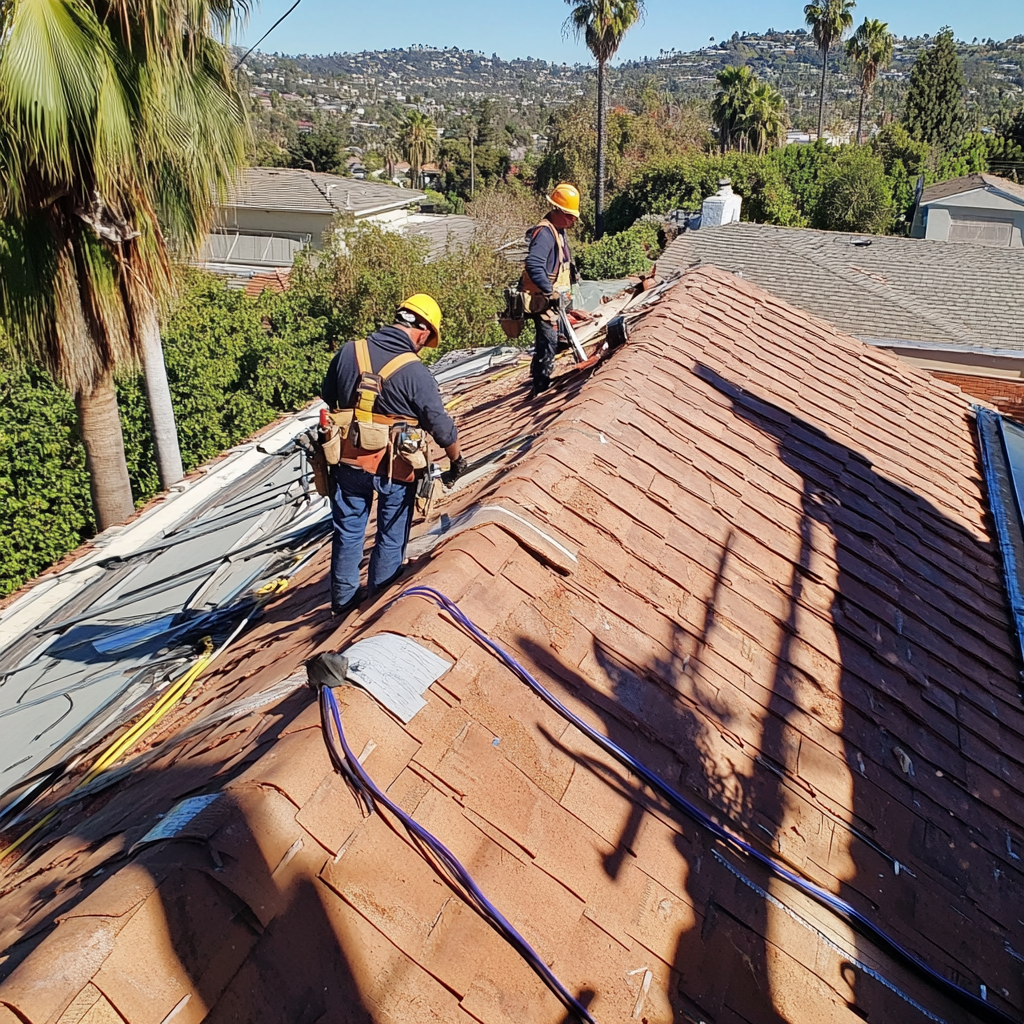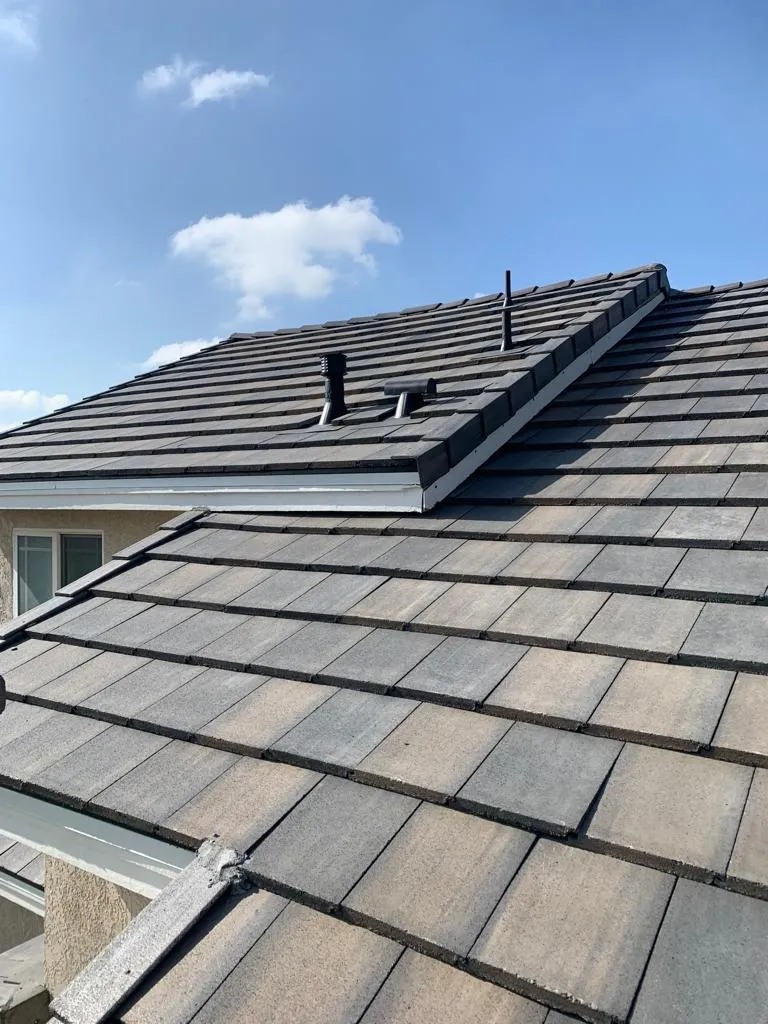
When a homeowner discovers roof damage, one of the first concerns is how much of the existing roofing will need to be removed.
Even a small leak or damaged shingle can raise questions about whether the contractor must tear off a large section of the roof to complete the repair.
Fortunately, many asphalt shingle roofs can be repaired without removing all the shingles.
Depending on the condition and location of the damage, a roofing contractor may be able to replace individual shingles, correct loose fasteners, repair localized flashing issues, or access a small area beneath the existing material.
However, some repairs require removing several overlapping shingles or opening a section of the roofing system to reach damaged underlayment or decking.
Understanding the difference between surface repairs and repairs involving underlying components can help homeowners set realistic expectations.
Why Asphalt Shingle Roofs Can Often Be Repaired Locally
Asphalt shingles are generally installed in overlapping horizontal courses.
Each shingle helps shed water over the shingles below it.
This overlapping design allows qualified roofing contractors to access certain components without dismantling the entire roof.
The Asphalt Roofing Manufacturers Association explains that asphalt shingles can often be carefully separated for localized repairs, provided the work is performed correctly.
This can make individual shingle replacement or fastening repairs possible with limited disturbance.
However, repairability depends on the condition of the materials.
What Types of Problems May Require Only a Small Repair?
Some common issues can be addressed within a limited section of a roof.
These may include individual damaged shingles, backed-out fasteners, isolated punctures, and certain localized flashing problems.
For example, if wind or falling debris damages a small number of shingles, replacement may be possible without disturbing most of the surrounding roof.
Likewise, a roofing contractor may correct an exposed fastener after examining the neighboring materials.
The key is confirming that the problem is limited to the visible area.
A small defect may have caused more extensive water damage than its size suggests.
Can a Single Shingle Be Replaced?
Yes, in some situations.
A contractor may be able to remove a damaged shingle and install a replacement without removing the surrounding roofing system.
However, the shingles above and around the damaged piece may need to be carefully loosened to access fasteners.
The contractor must then restore proper fastening and sealing.
This process can become more difficult when the existing shingles are brittle, strongly bonded, or deteriorated.
Removing one shingle should not create new damage to neighboring materials.
If the surrounding shingles cannot be safely manipulated, a larger repair area may be necessary.
What About Loose or Raised Roofing Nails?
A backed-out fastener may sometimes be repaired without replacing a large roofing section.
The contractor may access the nail beneath the overlapping shingle, correct the fastening issue, and restore the seal.
However, the repair should follow applicable manufacturer instructions.
If the nail has damaged the shingle or created a hole that cannot be reliably repaired, replacement may be necessary.
Simply applying sealant over a loose nail may not provide a durable solution.
The underlying fastening problem must be corrected.
Can Roof Flashing Be Repaired Without Major Shingle Removal?
Sometimes.
Flashing is installed at roof transitions and around certain penetrations to direct water away from vulnerable areas.
If the defect is localized and accessible, a contractor may be able to repair or replace a component while disturbing only nearby shingles.
However, some flashing is integrated beneath overlapping roofing materials.
Accessing it properly may require removing several courses.
The objective is not to avoid removing shingles at all costs.
It is to restore the correct water-shedding arrangement.
An incomplete flashing repair may allow leaks to return.
Why Roof Shingles Sometimes Need to Be Lifted
Because asphalt shingles overlap, components beneath one shingle may be covered by the course above.
A contractor may need to loosen or temporarily remove surrounding material to reach the damaged area.
This is normal for some repairs.
However, shingles can become difficult to manipulate over time.
Exposure to sunlight and weather may reduce flexibility, particularly on older roofs.
Working with brittle shingles may lead to cracking or tearing.
A qualified roofer should determine whether the material can be separated without causing unnecessary damage.
Can You Repair Underlayment Without Removing Shingles?
Not typically without opening the affected section.
Underlayment sits beneath the primary roof covering.
If it is damaged, the roofing material above it generally must be removed to provide proper access.
The same principle applies to repairs involving roof decking.
A contractor may need to open a portion of the roofing assembly to remove deteriorated material and restore the system correctly.
The size of the repair depends on how far the damage extends.
Avoiding removal of visible shingles should never take priority over correcting hidden deterioration.
What If Water Has Damaged the Roof Deck?
Roof decking provides structural support for the roofing materials and their fasteners.
If moisture has caused the decking to rot, soften, or deteriorate, surface-level repairs may not be sufficient.
Damaged decking must be evaluated and replaced where necessary.
The contractor may need to remove shingles and underlayment over the affected section.
This does not automatically require replacing the entire roof.
However, the repair must extend far enough to address all compromised materials.
Homeowners should ask to see documentation of any hidden damage found during the work.
How Does Roof Age Affect Repairability?
Age can strongly influence whether shingles can be repaired locally.
A newer roof may have flexible materials that are easier to separate and reseal.
An older roof may have brittle shingles that break during handling.
Some products may also be discontinued, making compatible replacements difficult to find.
If opening one small section causes damage to several neighboring shingles, the repair may become larger than originally expected.
A roofing contractor should explain these risks before beginning work.
Can the New Shingles Match the Old Ones?
Matching may be possible, but exact color consistency is not guaranteed.
Older shingles can fade or change appearance after years of exposure.
Even replacement shingles from the same manufacturer and product line may look different.
Sometimes the original product is no longer available.
If visual consistency is important, discuss the proposed replacement materials before approving the repair.
A small difference in color does not necessarily mean the roofing system will perform poorly, but the homeowner should understand what to expect.
Is It Cheaper to Avoid Removing All the Shingles?
Often, a targeted repair can be less expensive than a complete roof replacement.
The project generally uses fewer materials and may require less labor.
However, accessibility, roof pitch, hidden damage, and repair complexity all influence the price.
A small repair involving a difficult roof penetration may require specialized work.
Likewise, damaged decking can increase the cost even when the surface area is limited.
The estimate should describe what work is included and what conditions might change the scope.
When Should You Consider Roof Replacement Instead?
A localized repair may not provide a sensible long-term solution when the roofing system is broadly deteriorated.
Examples include widespread brittle shingles, repeated leaks, extensive underlayment damage, or multiple sections requiring substantial work.
At that point, homeowners may benefit from comparing repair costs with the cost of roof replacement in Van Nuys.
The correct decision depends on the roof’s condition rather than an arbitrary number of damaged shingles.
Can Homeowners Make These Repairs Themselves?
Roof repairs can create fall hazards and may damage roofing materials if performed incorrectly.
Even replacing one shingle requires understanding fastening locations, overlap, sealant requirements, and water-management details.
Walking on a steep roof or brittle surface can be hazardous.
Homeowners should avoid climbing onto the roof to investigate or repair problems themselves.
A qualified roofing contractor can assess the damage and select an appropriate method.
What Questions Should You Ask the Contractor?
Before approving the repair, ask:
- How many shingles need removal?
- Can the surrounding materials be reused?
- Is the underlayment damaged?
- Will the decking need inspection?
- Are matching shingles available?
- What happens if additional damage is discovered?
- How will disturbed shingles be resealed?
- Is the repair covered by a workmanship warranty?
These questions help establish the expected scope.
Final Thoughts
Many roof repairs can be completed without removing all the shingles.
Individual shingle replacement, fastening corrections, and certain localized flashing repairs may require opening only a limited portion of the roof.
However, damaged underlayment, deteriorated decking, and brittle materials can increase the amount of work needed.
The goal should always be a reliable repair, not simply removing the fewest possible materials.
For homeowners in Van Nuys and the San Fernando Valley, professional roof repair services can help determine which repairs are feasible.
To discuss an issue with your existing roof, contact Van Nuys Roof Repair.