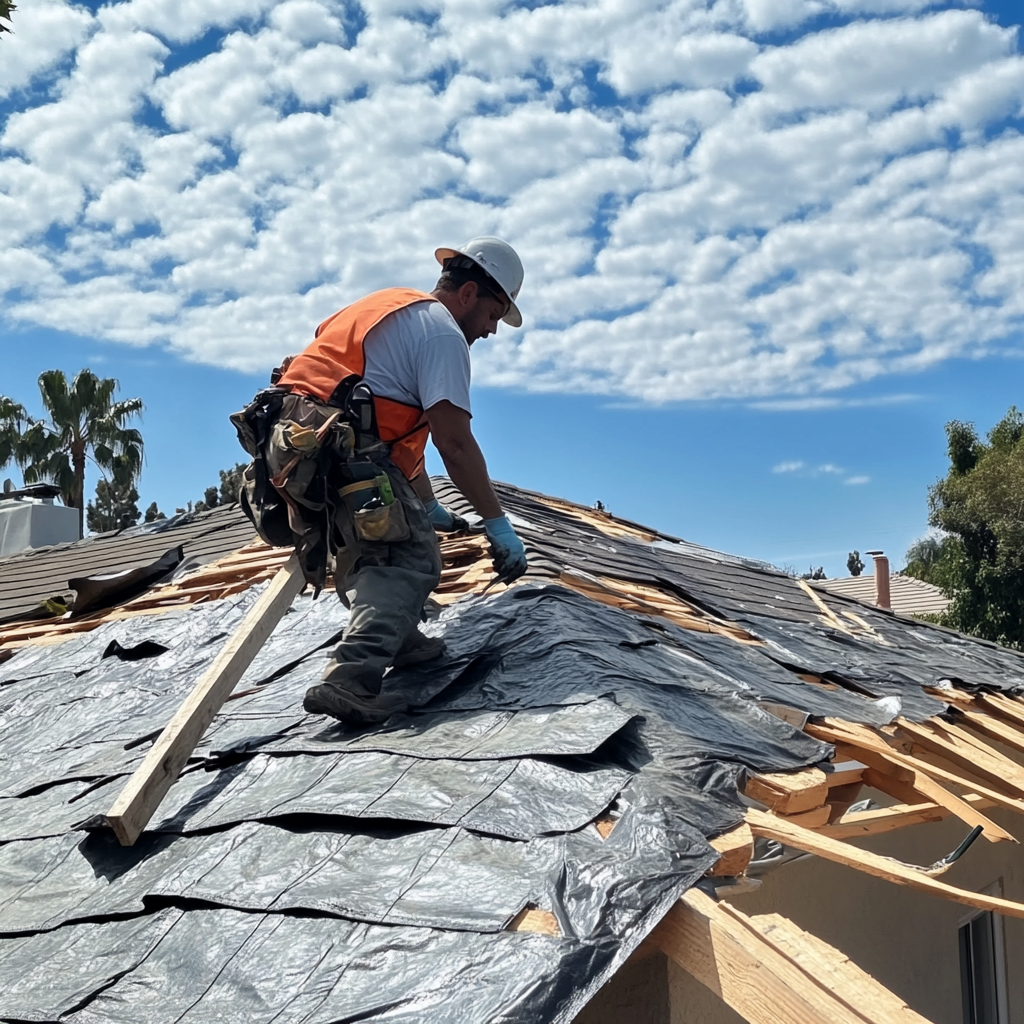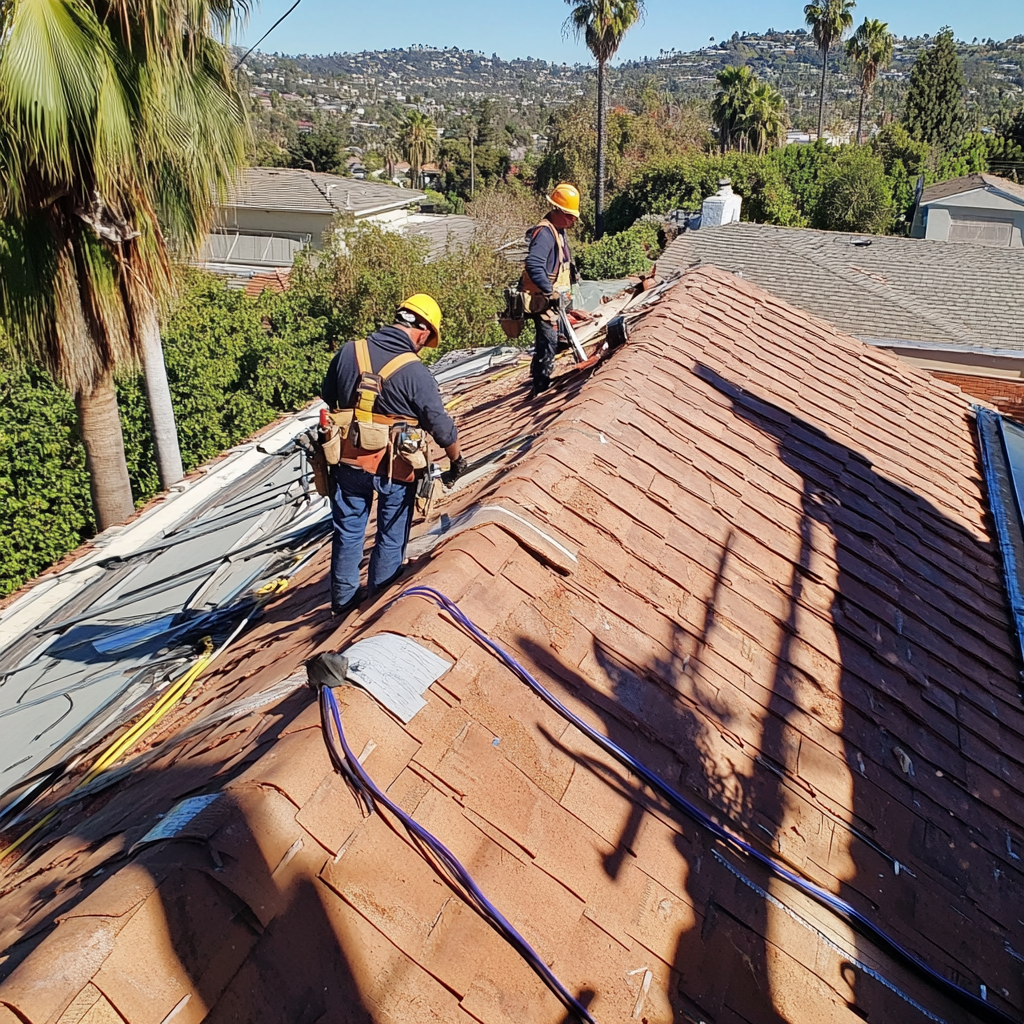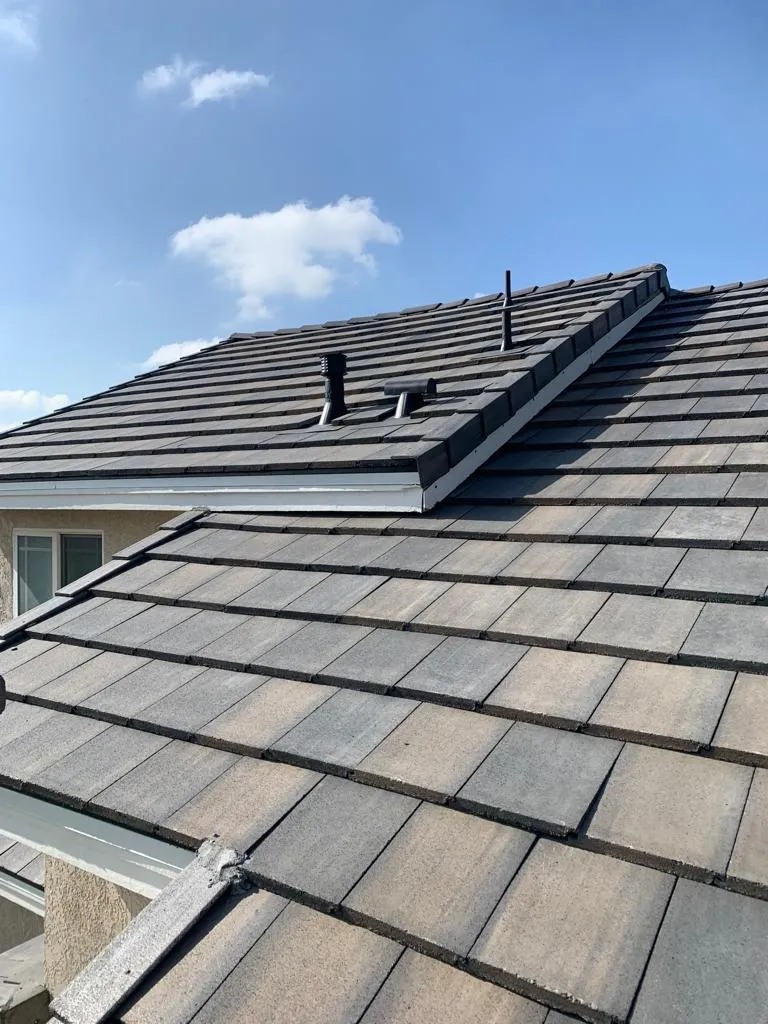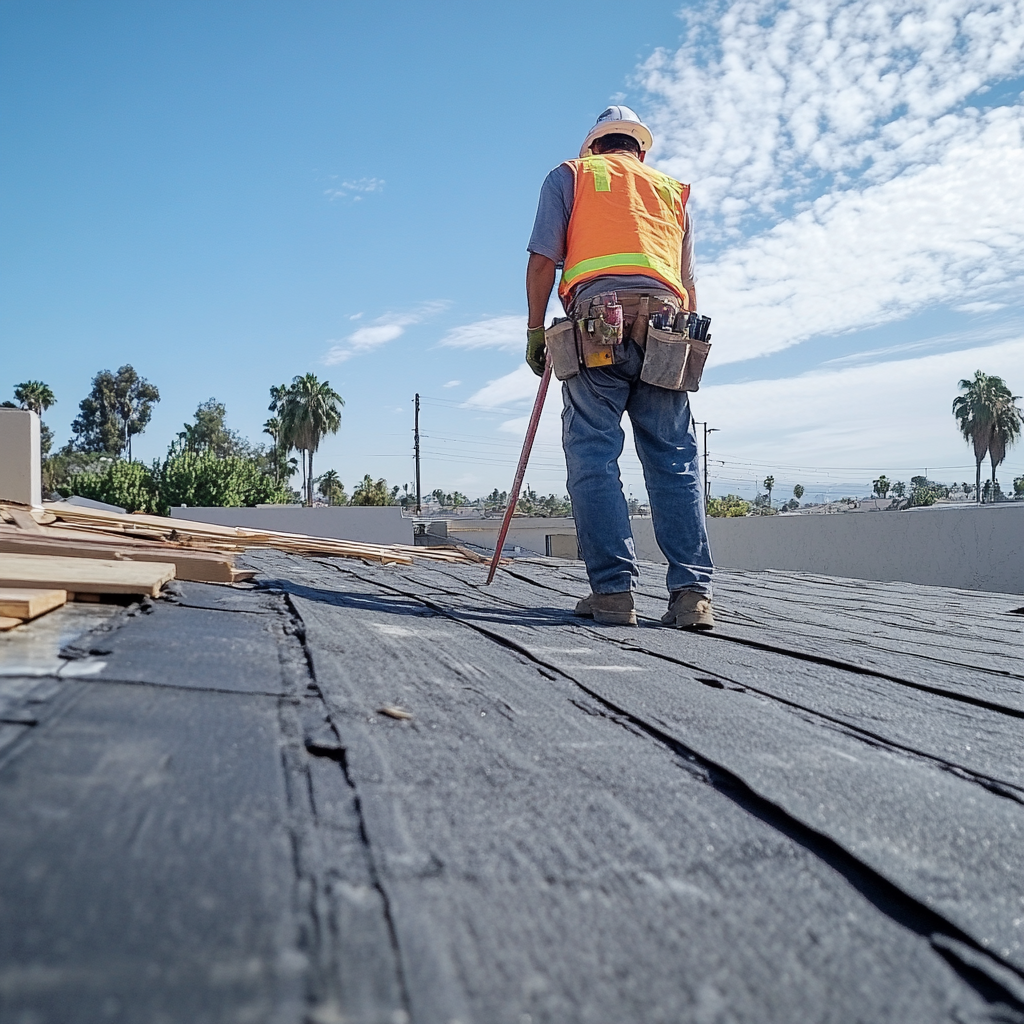
Hiring a roofing contractor is supposed to resolve a problem, not create new concerns.
However, some homeowners notice that a leak returns shortly after repairs, new shingles appear uneven, or previously unaffected areas begin showing signs of damage.
These situations naturally raise questions about whether the repair was completed correctly.
Not every recurring roofing problem indicates poor workmanship. A roof may have multiple defects, water may enter from a different location, or hidden damage may be discovered only after the original repair.
Still, certain warning signs deserve investigation.
For homeowners in Van Nuys and the San Fernando Valley, understanding what a proper roof repair should accomplish can help identify problems early and determine when a follow-up inspection is appropriate.
1. The Original Leak Returns
One of the clearest reasons to question a repair is when the original leak returns.
For example, a ceiling stain may initially dry after the contractor completes work, only to reappear during the next significant rainfall.
This could mean the original water-entry point was not correctly identified.
It might also indicate that the repair did not restore the necessary waterproofing details.
However, an entirely separate leak could produce similar symptoms.
A professional should investigate the source rather than assume that the previous repair caused the problem.
2. New Water Stains Appear Nearby
New discoloration on ceilings or walls after roofing work deserves attention.
Water can move along framing, decking, insulation, and other materials before becoming visible.
A leak may therefore appear several feet away from its original entry point.
If new staining develops shortly after repairs, document the location and date.
Contact the contractor and explain what has changed.
Avoid assuming that a dry ceiling immediately after the repair proves the problem is fully resolved.
Some defects only become apparent during particular weather conditions.
3. Replacement Shingles Are Lifting or Curling
Newly installed shingles should generally lie and function according to the manufacturer’s installation requirements.
Raised edges, improperly seated sections, and unusual lifting can indicate fastening or sealing concerns.
However, some appearance differences can occur during installation and subsequent sealing, depending on the product and conditions.
The Asphalt Roofing Manufacturers Association explains that incorrectly driven or positioned nails may contribute to raised tabs, buckling, and sealing problems.
If the shingles appear substantially out of alignment or remain lifted, request a professional evaluation.
4. Exposed Nails May Be a Warning Sign
Roofing nails should be installed according to the specific product’s fastening requirements.
Improper placement can create openings or interfere with the protective overlap between shingles.
Exposed fasteners in locations not intended by the roofing system may increase the risk of water intrusion.
The contractor should explain whether visible fasteners are part of an approved detail or indicate a defect.
Do not climb onto the roof to inspect or reposition them yourself.
Photographs taken safely from the ground may help document the concern.
5. The Repair Looks Uneven or Poorly Integrated
A repaired section may look different from the surrounding roofing because the new materials have not been exposed to years of sunlight.
Color differences alone are not proof of defective work.
However, visibly misaligned shingles, unsupported edges, loose materials, or irregular overlaps may suggest that the installation needs closer inspection.
The new work should integrate properly with the existing roofing system.
Ask the contractor to explain unusual transitions or gaps rather than judging solely by appearance.
6. Roofing Sealant Is Being Used as the Entire Repair
Sealants can be appropriate in certain roofing details when specified by the manufacturer.
However, simply applying caulk or roofing cement over a larger problem may not provide a reliable long-term solution.
A damaged flashing assembly, deteriorated underlayment, or incorrectly installed roofing component may require more substantial correction.
Repeatedly applying sealant without identifying the cause of water intrusion can allow the underlying problem to continue.
A qualified contractor should explain why a particular sealant is appropriate and how it fits within the roofing system.
7. The Flashing Was Not Properly Repaired
Flashing helps direct water around roof penetrations and transitions.
If a repair involves a chimney, skylight, vent, or wall intersection, the surrounding flashing details may be important.
A contractor who replaces visible roofing materials without correcting defective flashing may leave the leak unresolved.
Flashing should be installed and integrated according to the applicable roofing system requirements.
The repair documentation should describe what was corrected.
If the leak returns around the same feature, flashing may need further evaluation.
8. The Underlying Damage Was Ignored
A roof repair can look complete from the outside while damaged materials remain underneath.
If the roof deck is deteriorated or the underlayment has failed, installing new surface materials may not adequately restore performance.
The scope of necessary repairs depends on the extent of damage.
A contractor should explain when additional materials need replacement and obtain appropriate authorization for changes in scope.
Homeowners should request photographs of hidden deterioration when practical.
These records can help explain why the project became more extensive than originally expected.
9. The Contractor Cannot Explain What Was Fixed
A professional roof repair should have a reasonably clear scope.
Homeowners should understand which components were repaired, which materials were used, and whether any unresolved concerns remain.
A contractor may not always be able to guarantee the source of every intermittent leak.
However, they should be able to explain the findings and repair method.
If the explanation is vague or inconsistent, ask for a written summary.
A lack of documentation can make it harder to evaluate the work later.
10. The Repair Fails During the Next Rainfall
Rain can reveal whether the roofing system is managing water as intended.
If moisture immediately reappears after a repair, the issue should be reported.
However, failure during a later storm does not automatically establish defective workmanship.
Wind-driven rain may expose a different defect, or existing damage elsewhere may be involved.
A follow-up inspection should determine whether the new symptoms relate to the repaired area.
Preserve photographs and written communications.
11. Poor Drainage Remains Uncorrected
On a low-slope roof, drainage is an important part of long-term performance.
If the original concern involved standing water near a drain, simply repairing the membrane may not correct the reason water collects.
The contractor should distinguish between a localized membrane defect and a broader drainage problem.
The National Roofing Contractors Association explains that prolonged ponding can be detrimental to some low-slope roofing assemblies.
A repair plan should address the actual condition causing the problem.
12. What About Mismatched Roofing Materials?
Using visually different materials is not automatically improper.
However, replacement products must be compatible with the existing roofing system.
Certain shingles, tiles, membranes, and accessories have specific installation requirements.
A product selected solely because its color is similar may not fit or perform correctly.
Ask what materials were installed and whether they meet the applicable manufacturer’s recommendations.
Material compatibility is especially important when repairing older roofing systems.
13. Should You Ask the Original Contractor to Return?
Usually, contacting the original contractor is a reasonable first step.
Describe the concern, provide photographs, and ask for a follow-up inspection.
Review the contract and any written warranty.
Give the contractor an opportunity to explain whether the problem is related to the completed work.
Keep communications professional and documented.
If the concern involves active water intrusion, take reasonable steps to protect the interior while arranging further evaluation.
14. When Is an Independent Roof Inspection Appropriate?
An independent inspection may be useful when the original contractor cannot resolve the issue or when the explanation remains unclear.
A separate qualified roofing professional can evaluate visible conditions and provide an opinion about the repair.
However, the inspector should distinguish confirmed installation defects from unresolved or uncertain causes.
Request clear documentation of observations.
For homeowners experiencing recurring problems, roof repair services in Van Nuys may provide a starting point for discussing a professional evaluation.
15. What Should You Do if the Contractor Refuses to Address the Problem?
Review your written agreement, warranty, and records of the work.
Communicate the concern in writing and document reasonable attempts to resolve it.
California homeowners may also consult the Contractors State License Board for information about contractor licensing, complaints, and dispute-related resources.
Whether a particular complaint or legal claim is appropriate depends on the facts.
For significant losses or unresolved contractual disputes, legal advice may be necessary.
16. Does a Failed Repair Mean the Entire Roof Needs Replacement?
Not automatically.
An incomplete repair may be correctable through additional localized work.
However, repeated failures across an aging or broadly deteriorated roofing system can indicate that repairs are no longer addressing the larger condition.
A professional should examine whether the roof remains a suitable candidate for repair.
If replacement becomes appropriate, homeowners can explore roof replacement in Van Nuys.
The recommendation should be based on condition, expected performance, and repair feasibility.
Questions to Ask About a Questionable Repair
Ask the roofing contractor:
- What was the original source of damage?
- Which materials were repaired or replaced?
- Was the underlying decking inspected?
- Were flashing details corrected?
- Were new shingles installed according to manufacturer requirements?
- What caused the current symptoms?
- Is the issue related to the original repair?
- Does the workmanship warranty apply?
- Is additional work necessary?
- Can photographs or a written report be provided?
These questions can help establish whether the repair was incomplete or whether a separate issue has developed.
Final Thoughts
A roof repair may deserve another inspection when leaks return, shingles lift, fasteners become exposed, or new water damage appears.
However, these symptoms do not automatically prove that a contractor performed defective work.
A proper evaluation should identify the source of the problem, examine the repaired area, and determine whether additional roofing components need attention.
For homeowners in Van Nuys and the San Fernando Valley, prompt documentation and professional follow-up can help prevent minor concerns from becoming more extensive damage.
If your roof is still experiencing problems after repairs, contact Van Nuys Roof Repair to discuss an evaluation.