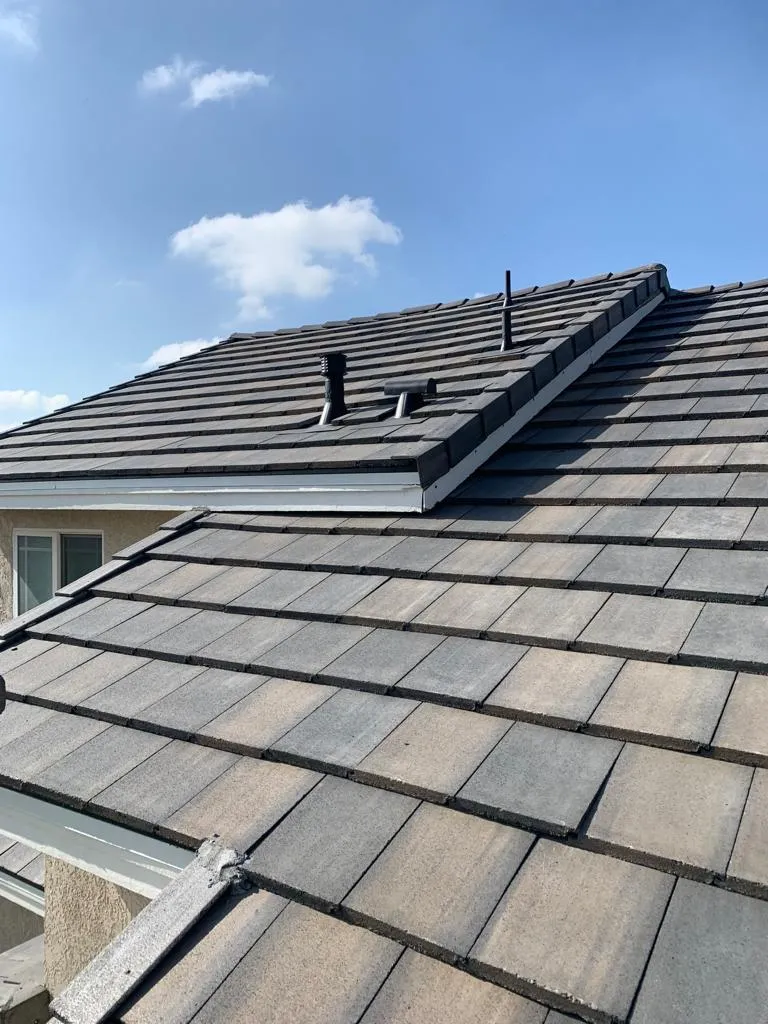
Granule loss is one of the most common signs of wear on an asphalt shingle roof. Homeowners may notice sandy, gritty material in the gutters, near downspouts, on the driveway, or along the edges of the roof. Sometimes granule loss is mild and expected. Other times, it can point to aging shingles, storm damage, heat exposure, poor installation, or a roof that needs professional attention.
Asphalt shingles are designed with a top layer of mineral granules. These granules are not just there for appearance. They help protect the asphalt coating from sunlight, add durability, improve fire resistance, and give shingles their color and texture. When too many granules come loose, the shingle can become more vulnerable to UV damage, heat, cracking, curling, and water intrusion.
For homeowners in Van Nuys and the San Fernando Valley, granule loss is especially important to watch because roofs are exposed to strong sun, high temperatures, seasonal rain, and dry weather conditions. A little granule shedding may not be urgent, but widespread or sudden granule loss should not be ignored.
Here is what causes granule loss on asphalt shingles and when it may be time to call a roofing professional.
Normal Aging
The most common cause of granule loss is simple roof aging. Asphalt shingles naturally lose some granules over time as they are exposed to sun, wind, rain, and temperature changes.
When shingles are new, they may shed extra loose granules left over from manufacturing and installation. This early shedding is usually not a major concern if it happens shortly after installation and then slows down.
As the roof gets older, however, granule loss can become a sign that the shingles are wearing out. The asphalt layer beneath the granules may begin to dry, crack, or lose flexibility. Once the protective granule layer thins, the roof can age faster.
If your roof is older and you are seeing more granules in the gutters or bald-looking areas on the shingles, it may be time to evaluate the overall condition of the roof. Van Nuys Roof Repair’s guide on how often to replace your roof in Southern California can help homeowners understand how roof age, climate, and material condition affect replacement timing.
Sun and Heat Exposure
Van Nuys roofs deal with intense sun exposure for much of the year. Over time, UV rays and heat can break down asphalt shingles and weaken the bond between the granules and the asphalt surface.
When shingles become dry, brittle, or overheated, granules may loosen more easily. This can leave areas of the shingle exposed to additional sunlight, creating a cycle of faster wear.
Heat exposure can also contribute to curling, cracking, blistering, and fading. On roofs with poor ventilation, attic heat can make the problem worse from below. When the roof surface is heated by the sun and the underside is affected by trapped attic heat, shingles may age faster than expected.
This is one reason roofing material selection matters in hot climates. If you are comparing roofing options or trying to understand how heat affects your roof, Van Nuys Roof Repair’s article on best roofing materials for hot climates explains why certain materials may perform better under strong sun and high temperatures.
Storm Damage
Granule loss can also happen after storms. Heavy rain, wind, debris, and hail can loosen or knock granules off shingles. Even when a roof does not appear badly damaged from the ground, storm impact may leave bruised, weakened, or exposed areas on the shingles.
After a storm, homeowners may notice granules collecting near downspouts or in gutter runoff. A sudden increase in granules after rain or wind can be a warning sign that the roof should be inspected.
Storm damage is not always obvious. Missing shingles, lifted edges, damaged flashing, clogged gutters, and exposed shingle surfaces may all point to roof stress. If storm-related granule loss is ignored, the affected shingles may deteriorate more quickly and become more likely to leak later.
Homeowners can reduce risk by preparing the roof before seasonal weather arrives. Van Nuys Roof Repair’s guide on how to prepare your roof for storm season explains why inspections, maintenance, and early repairs can help protect the roof before rain or wind reveals hidden weaknesses.
Foot Traffic on the Roof
Walking on asphalt shingles can loosen granules, especially when the roof is hot, old, brittle, or steep. Contractors, satellite installers, painters, chimney workers, HVAC technicians, or homeowners may unintentionally damage shingles by walking across them.
Granules provide grip and protection, but they can be dislodged by pressure, twisting, sliding, or dragging tools and equipment. During hot weather, shingles may soften slightly, making them more vulnerable to scuffing. During cooler weather, older shingles may become brittle and crack under pressure.
Homeowners should avoid walking on the roof unless absolutely necessary. Not only can foot traffic damage shingles, but roof access can also be dangerous. If you suspect roof damage, it is safer to schedule a professional inspection through a local roofing company like Van Nuys Roof Repair rather than climbing onto the roof yourself.
Poor Installation
Improper installation can contribute to early granule loss. If shingles are installed incorrectly, they may be more vulnerable to wind, heat, moisture, and premature wear.
Installation issues that may affect shingle performance include improper nailing, poor alignment, inadequate attic ventilation, incorrect underlayment, lack of proper flashing, or shingles installed in unsuitable weather conditions. If shingles are not secured properly, they may shift or lift. If ventilation is poor, heat buildup may shorten the lifespan of the roofing materials.
Poor installation may also make granule loss appear sooner than expected. A roof that is only a few years old should not typically show widespread bald spots or heavy granule shedding unless there has been storm damage, defective materials, installation problems, or unusual conditions.
If your roof seems too young to be losing granules heavily, a professional inspection can help determine whether installation quality, weather exposure, or another issue is involved.
Manufacturing Defects
Although less common, manufacturing defects can cause asphalt shingles to lose granules prematurely. Shingles are made in layers, and if there is a problem with the bonding process or material quality, the granules may not adhere properly.
Signs of possible manufacturing-related granule loss may include widespread shedding across a newer roof, unusual patchy bald areas, inconsistent wear patterns, or granule loss that seems excessive compared to the roof’s age.
If your roof is still under manufacturer warranty, documentation matters. Photos, installation records, product information, and inspection notes may be needed. A roofing professional can help assess whether the granule loss appears related to normal aging, weather, installation, or potential product failure.
Homeowners should avoid assuming the cause without a professional evaluation. Different causes can look similar from the ground.
Clogged or Poorly Functioning Gutters
Gutters do not directly cause granules to fall off shingles, but poor drainage can contribute to roof wear. When gutters are clogged, water may back up along the roof edge. This can increase moisture exposure near the eaves and contribute to shingle deterioration.
Granules often collect in gutters because runoff carries them there. If gutters are full of granules, leaves, and debris, water may not drain properly. Over time, this can affect fascia, soffits, roof edges, and nearby roofing materials.
If you notice granules in the gutters, do not only clean them out and move on. Pay attention to how much granule buildup is present and whether it keeps returning. Heavy or repeated granule accumulation can be a sign that shingles are wearing down.
Roof and gutter maintenance work together. Keeping gutters clear can help reduce water-related stress on the roof system.
Overhanging Trees and Debris
Tree branches, leaves, seeds, and debris can contribute to shingle wear. Branches that scrape against the roof may knock granules loose over time. Leaves and debris can trap moisture against the shingles, especially in shaded areas. This moisture can encourage algae, moss, or faster deterioration.
In Van Nuys, trees can provide valuable shade, but branches should not rub against the roof surface. Overhanging limbs may also drop debris into valleys, gutters, and flat roof areas, creating drainage issues.
If part of your roof is losing granules faster than the rest, check whether that area is shaded, exposed to debris, or affected by tree contact. Trimming branches away from the roof can help reduce unnecessary wear and make inspections easier.
Algae, Moss, and Organic Growth
Algae and moss can affect the surface of asphalt shingles. Algae often appears as dark streaks, while moss may grow in thicker patches where moisture lingers. Moss can lift shingle edges, trap water, and contribute to surface wear.
Aggressive cleaning methods can also cause granule loss. Pressure washing asphalt shingles is generally not recommended because high pressure can strip granules from the surface and damage the roof.
If your roof has staining or moss growth, ask a roofing professional about safe cleaning and maintenance options. Scraping, pressure washing, or harsh treatment can make granule loss worse.
Poor Attic Ventilation
Poor attic ventilation can shorten the life of asphalt shingles. When hot air is trapped in the attic, the roof system may be exposed to heat from both sides: sunlight from above and attic heat from below.
This can make shingles age faster, dry out, and lose granules sooner. Poor ventilation may also contribute to moisture buildup, which can affect roof decking, insulation, and indoor comfort.
If your home feels unusually hot upstairs, your air conditioner runs frequently, or your attic seems excessively hot, the roof and ventilation should be evaluated. Van Nuys Roof Repair’s article on whether a damaged roof can increase energy costs explains how roof condition, ventilation, insulation, and heat exposure can affect home comfort and energy use.
Granule loss may be one visible sign of a larger roof performance issue.
Blistering on Shingles
Blistering can occur when small bubbles form on asphalt shingles. These blisters may eventually pop, leaving exposed spots where granules are missing. Blistering can be associated with trapped moisture, heat, aging materials, manufacturing conditions, or ventilation problems.
From the ground, blistering may look like small dark spots, bald areas, or pitting on the shingle surface. It can sometimes be confused with hail damage, which is why professional inspection is helpful.
If blistering is widespread, the roof may be aging faster than expected. Repairs may be possible in isolated areas, but large-scale blistering may indicate a roof that needs closer evaluation.
Mechanical Damage
Mechanical damage includes anything that physically scrapes, cuts, dents, or scuffs the shingles. This can happen during installation, repairs, maintenance, satellite dish removal, HVAC work, pest control, tree trimming, or other service work around the roof.
Dragging hoses, tools, equipment, ladders, or materials across shingles can dislodge granules. Poor ladder placement can damage roof edges. Even small mechanical damage can create weak points where shingles wear faster.
If you recently had other work done around the home and then noticed granule loss, it may be worth checking whether the roof was accidentally damaged.
When Granule Loss Is a Warning Sign
Some granule loss is normal, especially on a newer roof shortly after installation or on an older roof with expected wear. However, certain signs should prompt a roof inspection.
Call a roofing professional if you notice:
Large amounts of granules in gutters or downspouts
Bald patches on shingles
Exposed black asphalt areas
Granule loss after a storm
Uneven wear across the roof
Shingles that are curling, cracking, or brittle
Leaks or ceiling stains
Missing shingles
Roof damage around flashing or vents
A roof that is aging and losing granules quickly
Granule loss becomes more concerning when it is widespread, sudden, or paired with other roof damage.
Can Granule Loss Cause Roof Leaks?
Granule loss does not always cause an immediate leak, but it can make shingles more vulnerable. Once granules are gone, the asphalt layer is more exposed to UV rays and weather. Over time, exposed shingles may crack, dry out, curl, or fail to shed water properly.
If the underlying shingle material deteriorates enough, water can reach deeper roof layers. Leaks may then develop around weak shingles, flashing, valleys, vents, or roof penetrations.
Granule loss should be treated as an early warning sign. It gives homeowners a chance to have the roof checked before more serious problems occur.
Should Granule Loss Be Repaired or Does the Roof Need Replacement?
The answer depends on the amount of granule loss, roof age, roof condition, and whether other damage is present.
If granule loss is isolated to a small area, repair may be possible. A roofer may replace damaged shingles, address flashing issues, remove debris, or repair nearby roof components. If the roof is older and granule loss is widespread, replacement may be more practical than repeated repairs.
A professional inspection can help determine whether repair or replacement makes more sense. If you are unsure what your roof needs, Van Nuys Roof Repair can inspect the issue and explain your options. You can request help through the contact page.
Granule Loss on Commercial Roofs
While granule loss is usually associated with asphalt shingles, commercial roofing systems can also experience surface wear, coating deterioration, membrane damage, or protective layer breakdown. For commercial properties, surface deterioration can affect waterproofing, heat performance, and long-term maintenance needs.
Property owners and managers should take visible roof wear seriously, especially on flat or low-slope commercial roofs. Van Nuys Roof Repair provides commercial roofing in Van Nuys for businesses that need inspections, repairs, maintenance, or guidance on roof condition.
Final Thoughts
Granule loss on asphalt shingles can happen for many reasons, including normal aging, sun and heat exposure, storm damage, foot traffic, poor installation, manufacturing defects, clogged gutters, tree debris, algae growth, poor attic ventilation, blistering, and mechanical damage.
A small amount of granule shedding may be normal, especially on a newer roof. But heavy, sudden, or widespread granule loss can be a warning sign that the roof is wearing down or has been damaged.
For Van Nuys homeowners, granule loss should be taken seriously because heat, UV exposure, and seasonal weather can accelerate roof wear. If you see piles of granules in the gutters, bald patches on shingles, or signs of roof damage, schedule a professional inspection. Addressing the issue early can help prevent leaks, protect your home, and give you a clearer idea of whether your roof needs repair, maintenance, or replacement.