When part of a roof is damaged, homeowners often wonder whether they need to replace the entire roofing system or whether only the affected section can be repaired.
A few missing shingles, a damaged area around a roof feature, or a leak confined to one location may not justify replacing thousands of square feet of otherwise functional roofing.
In many cases, repairing one section of a roof is possible.
However, the feasibility depends on the type of roofing material, age of the existing system, extent of damage, condition of surrounding materials, and whether the repaired section can be integrated properly with the rest of the roof.
For homeowners in Van Nuys and the San Fernando Valley, understanding when partial roof repair makes sense can help avoid unnecessary expenses while ensuring that underlying problems are not overlooked.
What Is a Partial Roof Repair?
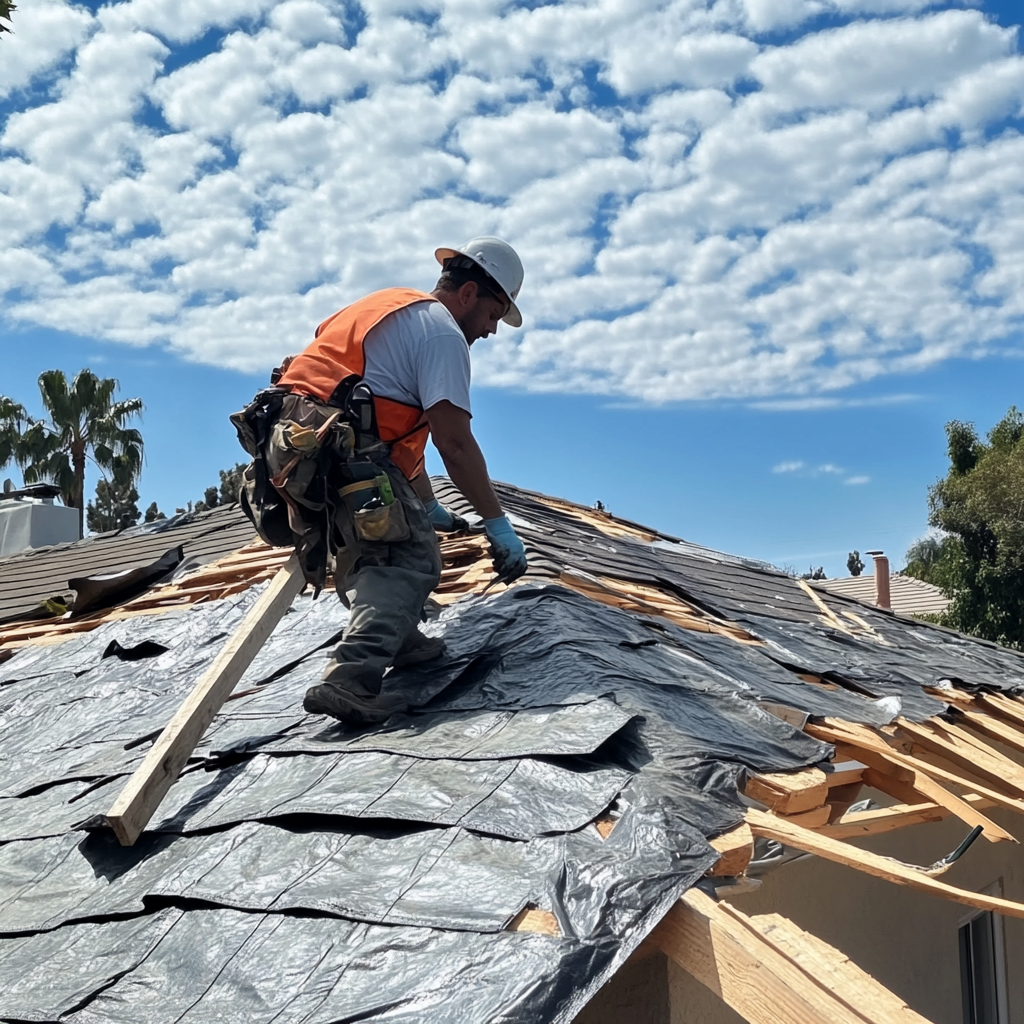
A partial roof repair involves correcting damage within a limited area rather than replacing the entire roofing system.
The work may include replacing damaged shingles, repairing underlayment, addressing local flashing defects, or correcting a problem involving a specific roof penetration.
In some situations, a larger portion of one roof slope may need replacement while the remaining slopes stay intact.
This is different from a complete roof replacement, where the roofing materials across the entire designated roof system are removed and replaced.
The correct approach depends on the condition of both the damaged area and the surrounding roof.
When Is a Localized Repair Usually Possible?
A partial repair may be appropriate when damage is limited to a clearly identifiable location.
Examples include a few broken shingles, an isolated puncture, a localized flashing issue, or damage associated with a single roofing component.
The surrounding materials must still be in suitable condition to support the repair.
The roofing contractor also needs to confirm that the new work can be integrated with the existing system.
Manufacturer guidance from GAF explains that repairing a portion of a roof may be possible in certain circumstances.
A professional inspection helps determine whether the problem truly is localized.
Why the Cause of Damage Matters
Two roofs can have similar-looking damage but require different solutions.
One roof might have a few shingles damaged by falling debris.
Another might show identical-looking deterioration across a small area because the underlying decking is failing.
Repairing the visible shingles may work for the first situation but not the second.
A contractor should determine what caused the problem and whether that cause is still present.
If water intrusion has affected the materials underneath, the repair may need to extend beyond the visible damage.
Can You Repair One Roof Slope?
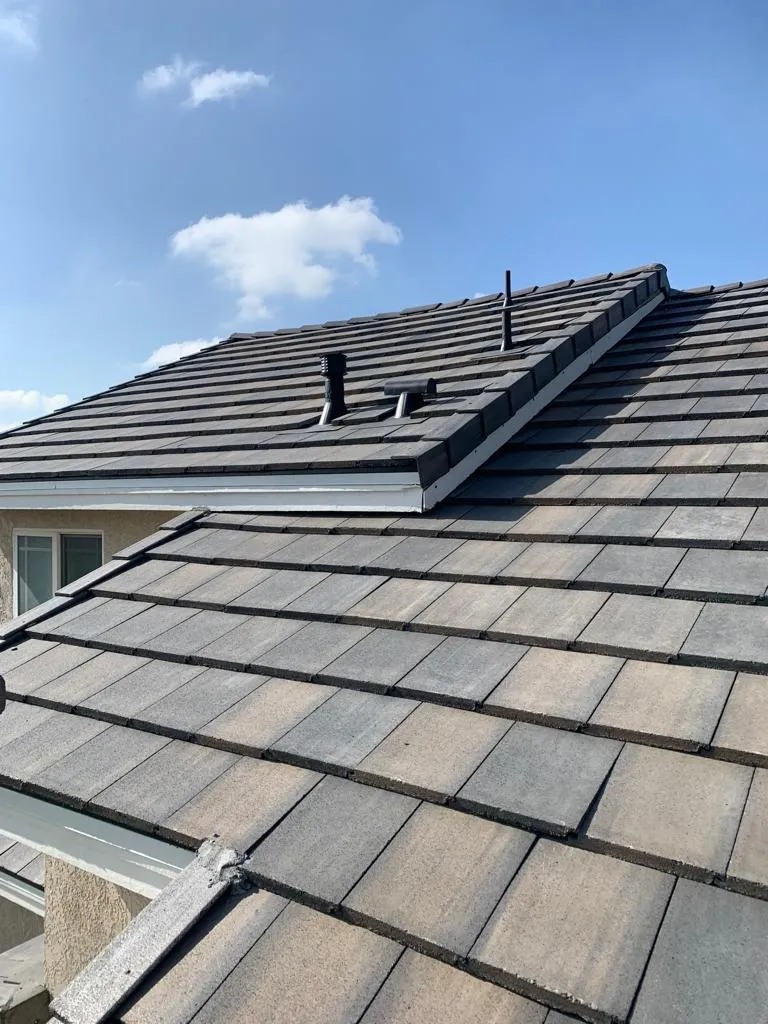
In some situations, replacing one roof slope may be possible.
A roof slope is one continuous plane extending between roof edges, ridges, valleys, or other boundaries.
If one slope is substantially more damaged than the others, replacing that section may be an option.
However, the contractor must evaluate transitions to adjacent roofing areas and whether the replacement will comply with manufacturer requirements and applicable building rules.
The new material may also look different from the older roofing.
A partially replaced roof should be considered as a complete assembly, not simply a collection of separate surfaces.
Does Roof Age Affect the Decision?
Yes.
Newer roofing materials may be easier to repair because replacement components are more likely to be available and surrounding materials may remain flexible.
Older shingles can become brittle, making them difficult to lift or separate without additional damage.
Likewise, an aging roof may have problems beyond the most visible section.
If much of the roofing system is approaching the end of its service life, repairing one area may provide only temporary relief before other issues develop.
The contractor should explain the condition of the entire roof rather than focus exclusively on the visible defect.
What About Matching the Existing Materials?
Matching new roofing materials with older ones can be challenging.
Even when the original product remains available, years of sunlight and weather exposure can change the appearance of existing shingles or tiles.
Manufacturers may also discontinue certain colors, profiles, or product lines.
A repair can be functionally appropriate while remaining visually noticeable.
If appearance is important, discuss material availability and likely color differences before approving the work.
This is especially relevant for roof sections that are highly visible from the street.
Can a Partial Repair Fix a Roof Leak?
A partial repair may resolve a leak when the source is accurately identified and the affected roofing components can be repaired properly.
However, the visible interior leak location may not correspond directly to the roof opening.
Water can travel along decking, framing, and other materials before becoming visible.
A professional should trace the likely water-entry path before selecting the repair area.
Replacing shingles above a ceiling stain without locating the actual defect may fail to solve the problem.
Is a Partial Repair Less Expensive?
Often, but not always.
A limited repair generally involves fewer materials than a complete replacement.
However, the cost depends on access, roof pitch, labor, material availability, and the complexity of integrating new materials with the old system.
Repairs around chimneys, skylights, or complicated intersections may require substantial labor despite covering a relatively small area.
If repeated repairs are necessary, their combined cost may eventually approach the cost of broader replacement.
An accurate estimate should explain both the immediate repair and any remaining concerns.
What If the Underlayment Is Damaged?
Underlayment is an important part of many roofing assemblies.
If it has deteriorated or been compromised, replacing only the visible surface material may not be enough.
The contractor may need to remove roofing materials to access and repair the affected layer.
The extent of removal depends on how far the damage extends and how the components overlap.
A sound repair must restore the roof system’s ability to manage water.
This is why an inspection is important before deciding that a small surface repair will be sufficient.
What If the Roof Deck Is Damaged?
The roof deck supports roofing materials and provides a surface for secure fastening.
If the decking is rotted, delaminated, or otherwise structurally unsound, replacing shingles alone will not correct the underlying problem.
Damaged decking may need removal and replacement.
This can increase the scope of a localized repair, although it does not automatically mean the entire roof needs replacement.
A contractor should explain what additional work is required and document any change in scope.
Can Tile Roofs Be Repaired in Sections?
Yes, some tile roofs can be repaired locally.
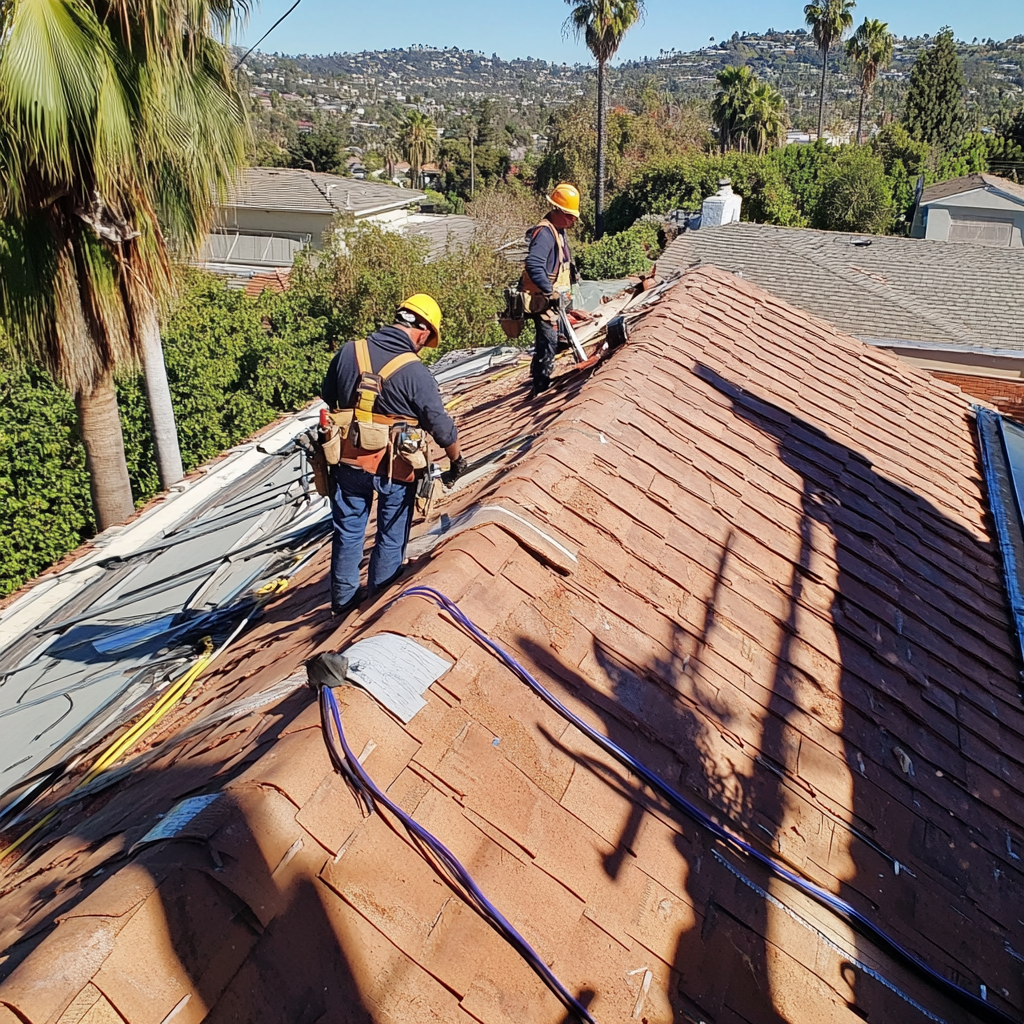
Individual damaged tiles may be replaceable when matching products are available and the surrounding materials remain suitable.
However, tile roofing systems also depend on underlayment and proper water-management details.
If deterioration extends beneath multiple tiles, the affected area may need to be opened and rebuilt.
Older tile systems can present challenges when matching tile profiles or avoiding damage to surrounding tiles during access.
A contractor familiar with the particular tile system should evaluate the repair.
What About Flat Roofs?
Low-slope and flat roofing systems may also allow localized repairs.
For example, a compatible membrane repair may address an isolated puncture or seam problem.
However, ponding water, widespread membrane deterioration, or systemic drainage problems may require more extensive work.
Repair methods vary significantly among modified bitumen, single-ply membranes, built-up roofing, and other systems.
For commercial properties, commercial roofing services in Van Nuys may be relevant when evaluating localized membrane concerns.
When Does Full Replacement Make More Sense?
Complete replacement may become more practical when damage is widespread, repairs repeatedly fail, or the existing materials are too deteriorated to support reliable integration.
Other considerations include extensive underlayment failure, broad decking damage, and repeated leaks in unrelated areas.
A professional should compare the expected performance of the proposed repair with the condition of the remaining roof.
Homeowners can explore both roof repair and roof replacement options before making a decision.
Questions to Ask Before Approving a Partial Repair
Ask your roofing contractor:
- Is the damage limited to one area?
- What caused it?
- Are surrounding materials still suitable?
- Will any underlayment or decking need replacement?
- Can new materials be matched?
- How will the repair connect to the existing roof?
- What warranty applies?
- Are permits required for the proposed scope?
- How much remaining roof life is reasonably expected?
Clear answers can help homeowners compare repair and replacement options.
Final Thoughts
Repairing just one section of a roof can be a practical solution when damage is localized and the surrounding system remains in good condition.
However, the repair must address the underlying cause and restore the roofing assembly correctly.
Roof age, material compatibility, hidden damage, and expected future maintenance all influence the decision.
For Van Nuys homeowners, a professional roof evaluation can help determine whether partial repair offers a sensible solution or whether broader replacement would be more reliable.
To discuss a localized roofing problem, contact Van Nuys Roof Repair.