As summer temperatures continue to climb across California, homeowners are looking for ways to keep their houses comfortable while managing energy costs. One of the most effective yet often overlooked solutions is upgrading to an energy-efficient roof designed to reflect heat and reduce cooling needs.
At Van Nuys Roofing Pros, we’ve seen firsthand how the right roofing system can transform Southern California homes—from Upland to Pasadena and Glendale—helping families save on energy bills while improving indoor comfort during hot months.
In this article, we’ll explore what makes a roof energy-efficient, the science behind cool roofs, and the tangible benefits you can expect by investing in modern roofing materials optimized for summer heat.
Why Does Roofing Matter for Energy Efficiency?
Your roof is your home’s first line of defense against the sun’s powerful rays. In California summers, rooftops can easily reach temperatures of 150°F or more, radiating intense heat down into your attic and living spaces. This additional heat load forces your air conditioning system to work overtime, increasing electricity consumption and driving up your utility bills.
An energy-efficient roof can significantly reduce this heat absorption, helping to:
- Lower your home’s indoor temperature naturally
- Reduce reliance on air conditioning systems
- Decrease your energy bills during peak summer months
- Minimize your carbon footprint and environmental impact
What Is a Cool Roof?
A cool roof is designed with materials and technologies that reflect more sunlight and absorb less heat compared to traditional roofs. This is achieved through:
- Reflective coatings or pigments that bounce back the sun’s rays
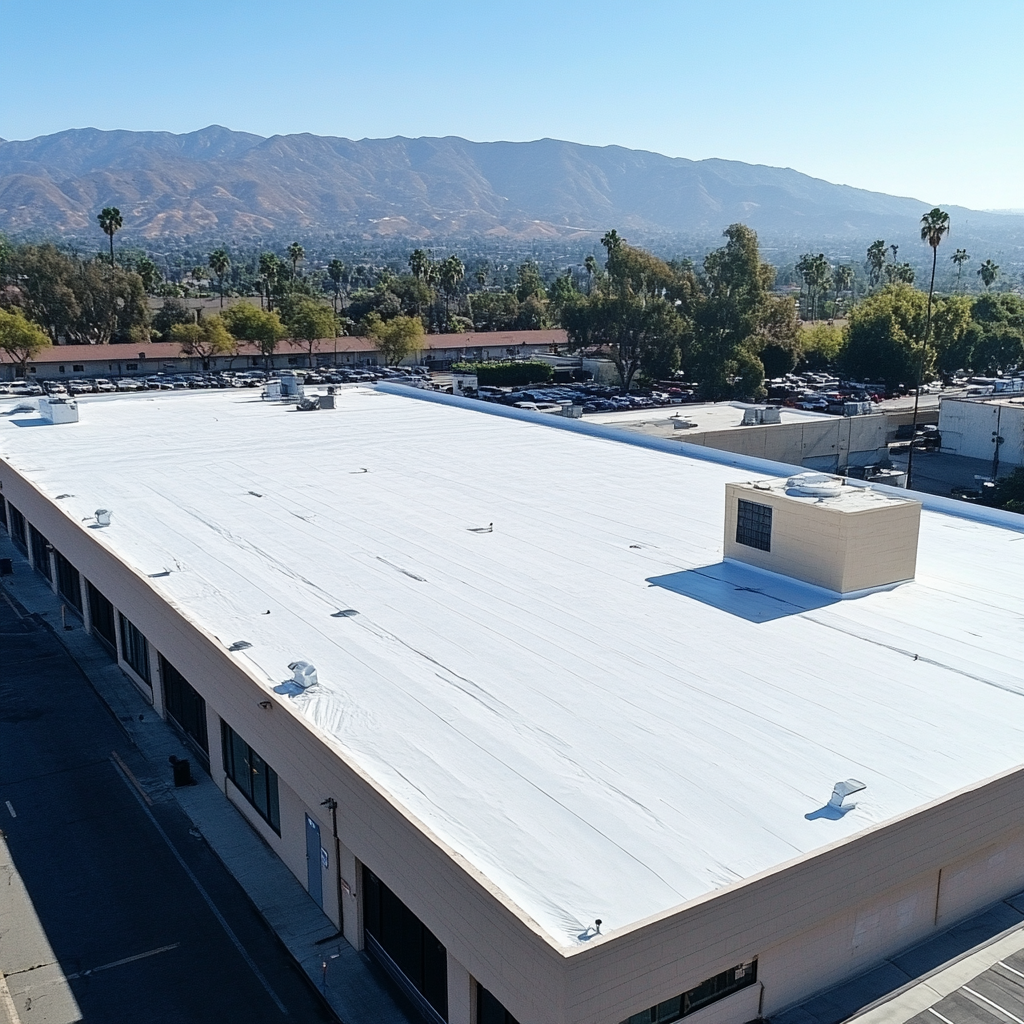
- High solar reflectance to minimize heat absorption
- High thermal emittance to quickly release any absorbed heat
Cool roofing materials come in many forms, including:
- Cool asphalt shingles with reflective granules
- Light-colored or reflective metal roofing
- Clay or concrete tiles with reflective glazing
- Synthetic roofing materials engineered for solar reflectivity
How Cool Roofs Work: The Science Behind the Savings
Two important factors define a roof’s performance in reducing heat gain:
1. Solar Reflectance (Albedo)
This measures how much sunlight the roof reflects back into the atmosphere. A higher solar reflectance means less heat is absorbed.
2. Thermal Emittance
This measures how effectively a roof releases absorbed heat. Materials with high thermal emittance cool down faster when the sun sets, reducing nighttime heat retention.
Cool roofs combine both traits, keeping your roof surface and attic much cooler than conventional materials.
Benefits of Energy-Efficient Roofing for California Summers
1. Lower Cooling Costs
By reflecting sunlight and reducing attic temperatures, cool roofs decrease the workload on your air conditioning system. According to the U.S. Department of Energy, cool roofs can reduce cooling energy use by 10-15% in warm climates like Southern California.
2. Improved Indoor Comfort
Cool roofs help maintain more consistent indoor temperatures, especially in the upper floors and attic spaces that tend to overheat. This translates to a more comfortable living environment for your family during hot spells.
3. Extended Roof Lifespan
High temperatures accelerate roofing material degradation. By reducing heat absorption, cool roofs help protect shingles, tiles, or metal from premature cracking, warping, and UV damage—potentially extending your roof’s service life.
4. Environmental Impact
Reducing your home’s energy use means fewer greenhouse gas emissions from power plants. Choosing a cool roof contributes to California’s broader sustainability goals and helps combat urban heat island effects.
Choosing the Right Cool Roofing Material
Van Nuys Roofing Pros helps homeowners select from a variety of energy-efficient roofing options tailored to Southern California’s climate and architectural styles:
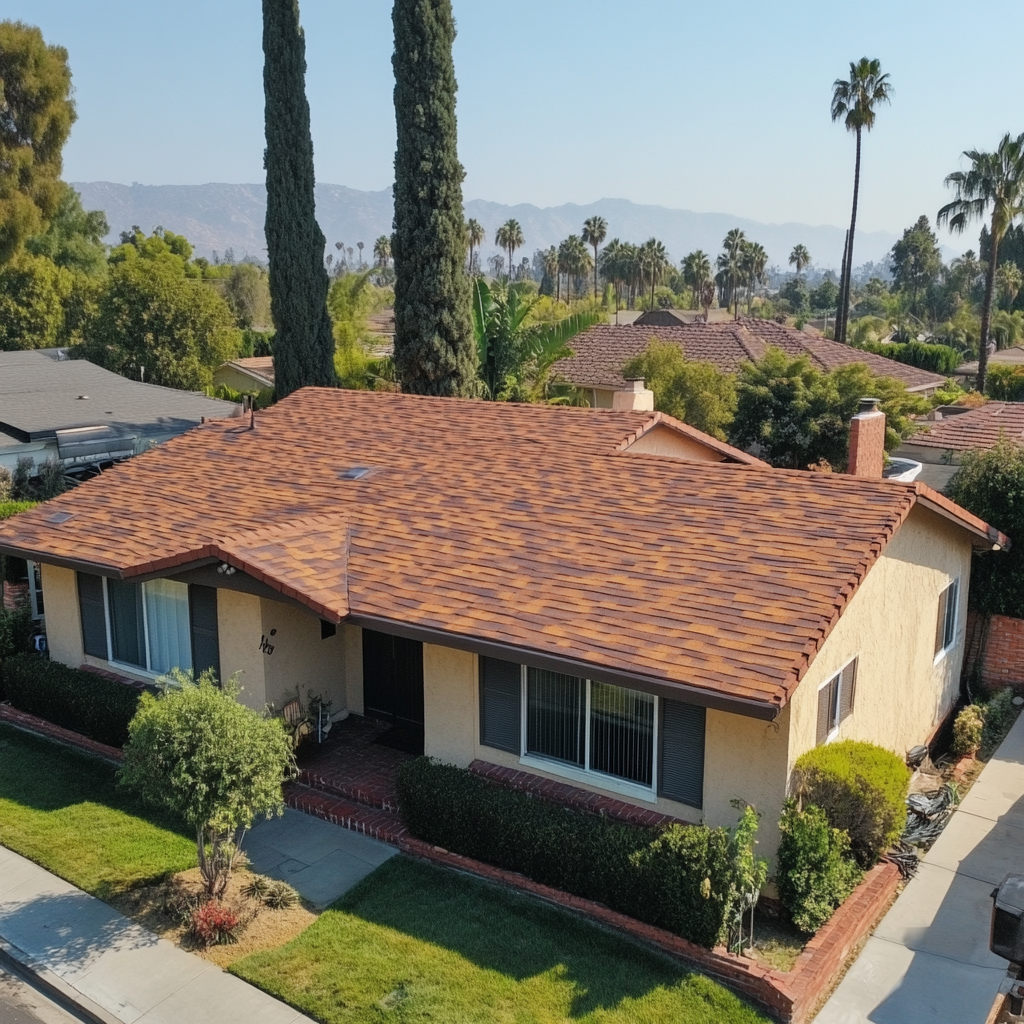
- Cool Asphalt Shingles: These look similar to traditional shingles but contain specially engineered reflective granules that lower surface temperature.
- Metal Roofing: Light-colored or reflective metal panels provide excellent solar reflectance and are long-lasting and recyclable.
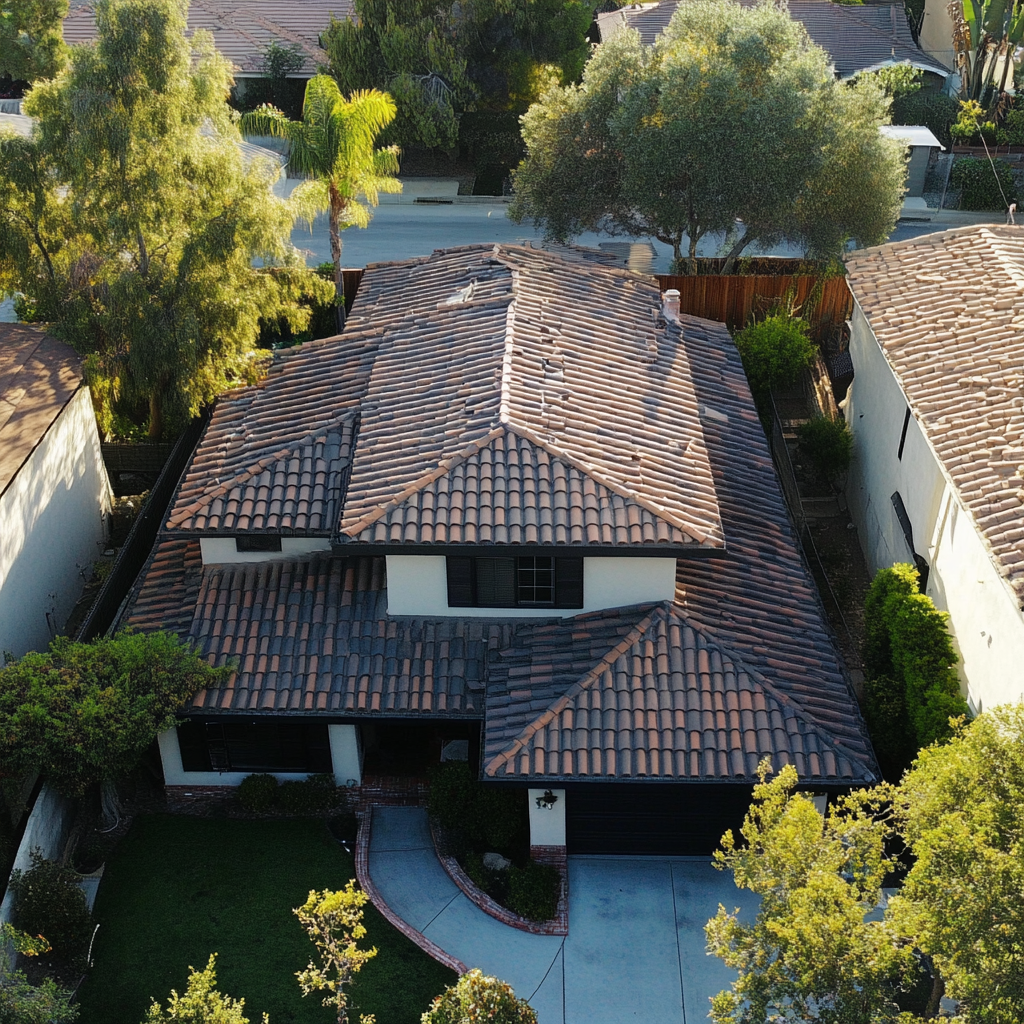
- Tile Roofing: Clay or concrete tiles with reflective glazes naturally reflect heat while offering the classic California aesthetic.
- Synthetic Roofing: New synthetic materials mimic tile or slate and can be formulated with cool roof technology.
Each material offers unique advantages, and our team guides you through the best choice for your budget, style, and energy-saving goals.
Additional Energy-Saving Roofing Strategies
Beyond selecting cool roofing materials, consider these complementary strategies:
Proper Attic Ventilation and Insulation
Good ventilation helps hot air escape from your attic, while insulation prevents heat transfer to your living spaces. Together with a cool roof, these measures maximize your home’s energy efficiency.
Reflective Roof Coatings
Applying a reflective coating to your existing roof can boost its solar reflectance at a lower cost than full replacement, making it a smart option for homeowners on a budget.
Real Results from Southern California Homes
Many Van Nuys Roofing Pros clients across Upland, Pasadena, and Glendale have experienced impressive energy savings and comfort improvements after switching to cool roofing systems. Our professional installations ensure optimal material performance and long-term durability, backed by manufacturer warranties.
Ready to Make Your Roof Work Smarter This Summer?
With rising California temperatures, investing in an energy-efficient roof is a smart way to protect your home, reduce energy costs, and contribute to a cooler environment.
Contact Van Nuys Roofing Pros today to schedule a free consultation and discover the best cool roofing options for your home. Our experienced team will guide you through the process—from material selection to expert installation—so you can enjoy a more comfortable, energy-efficient summer season.