Wildfires have become an increasingly serious threat for homeowners in California, especially those living near wildlands or brush areas. As fire seasons grow longer and more intense, protecting your home from wildfire damage is more important than ever. While many focus on landscaping or emergency preparedness, one of the most critical—and often overlooked—components of fire safety is your roof.
The roof is usually the first part of your home exposed to flying embers during a wildfire. Outdated or non-fire-resistant roofing materials can ignite quickly, leading to devastating damage. Fortunately, modern roofing systems have evolved with fire safety in mind, and upgrading to a new roof can provide better protection for your home, your family, and your wallet.
At Van Nuys Roofing Pros, we specialize in installing fire-rated roofing systems designed to meet California’s strict Wildland-Urban Interface (WUI) codes. In this article, we’ll explore why your roof matters in fire safety, how a new roof can safeguard your property, and the common fire risks we see in homes throughout Southern California.
Why Your Roof Matters in Fire Safety
When a wildfire approaches, the most dangerous threat isn’t just the advancing flames—it’s the flying embers that can travel miles ahead of the main fire front. These tiny, burning fragments can land on your roof, eaves, vents, or gutters and ignite your home in seconds.
The roof is often the first target because it’s the most exposed part of the structure. Roofs with outdated materials—such as old wood shake or composite shingles that don’t meet fire safety standards—are particularly vulnerable. Once the roof ignites, the fire can spread rapidly throughout the home, causing catastrophic damage.
Even small gaps, cracks, or poorly sealed areas around skylights and vents create opportunities for embers to enter your attic, where they can smolder undetected until flames break out.
How a New Roof Helps Protect Your Home
Modern roofing technology has come a long way, especially in fire-prone regions like Southern California. Here are the key features of a new, fire-rated roof that provide peace of mind during wildfire season:
Class A Fire-Rated Materials
A Class A fire rating is the highest rating given to roofing materials for fire resistance. This means the materials are tested and proven to withstand severe exposure to fire without igniting or spreading flames.
Today’s fire-resistant roofing options include:
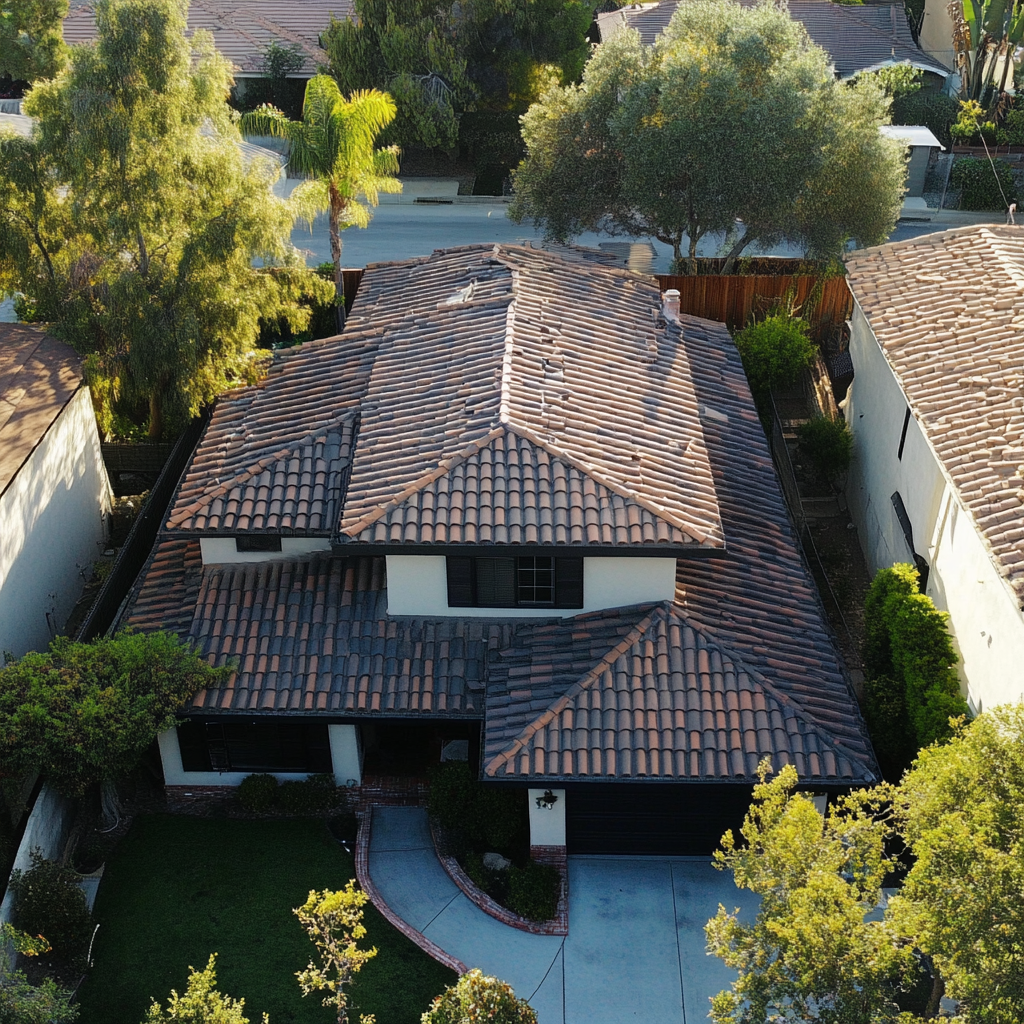
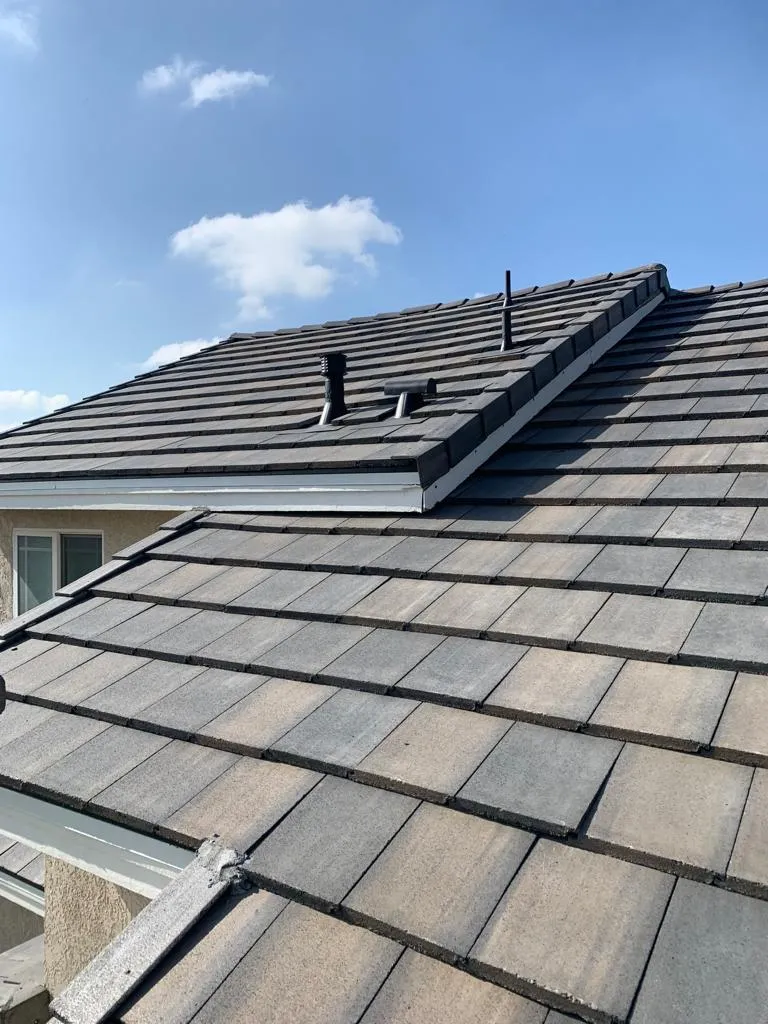
- Clay and concrete tiles: Naturally fireproof and very durable.
- Fiber cement and metal roofing: Non-combustible surfaces that block flames.
- Synthetic slate and composite shingles: Made from fire-resistant polymers.
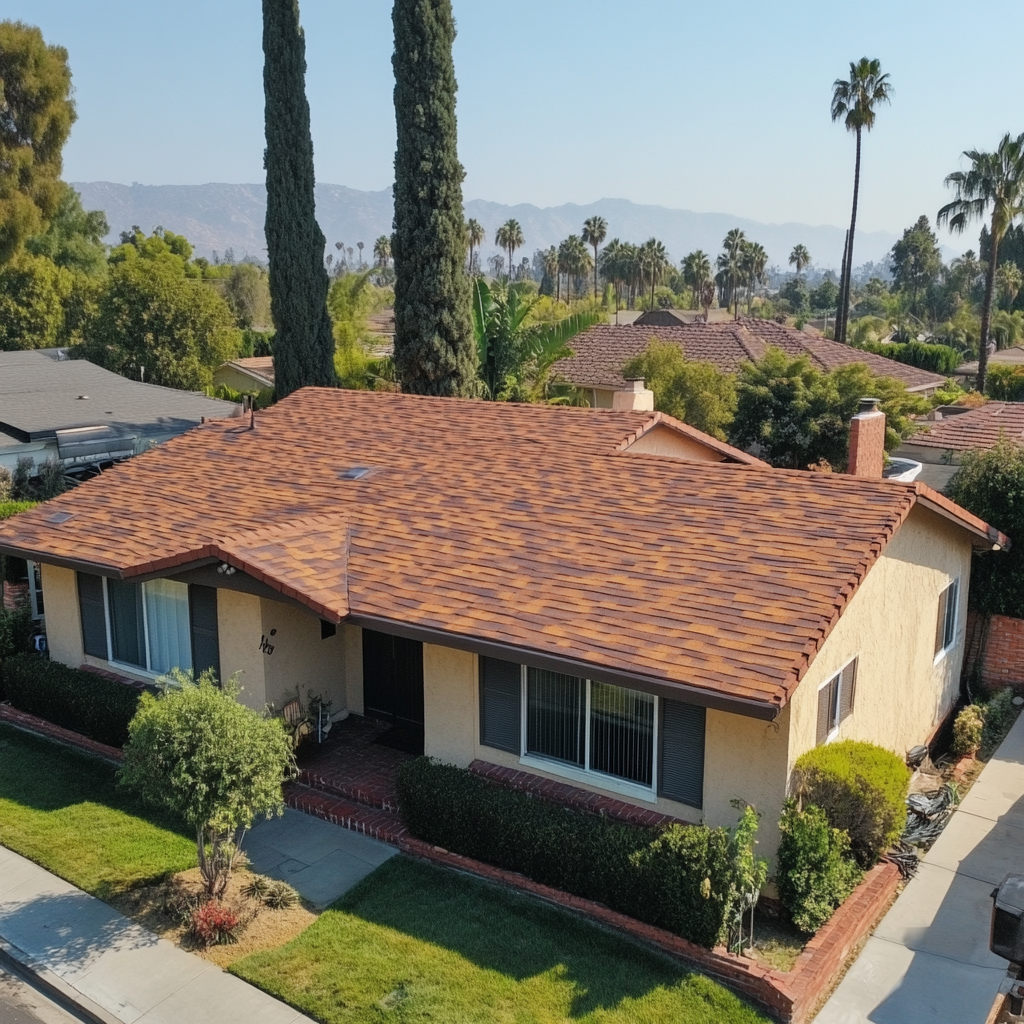
- Fire-rated asphalt shingles: Specially manufactured to meet Class A standards.
Using Class A materials ensures your roof can better resist ignition from embers and radiant heat.
Enclosed Eaves & Ember-Resistant Vents
Open eaves and vents are common weak points where embers can enter your home. New roofs feature enclosed eaves and ember-resistant vents designed to block embers while still allowing proper attic ventilation.
These vents often include 1/8-inch metal mesh screening that stops even small embers from sneaking inside but prevents moisture buildup and heat damage.
Fire-Resistant Underlayment
Beneath the visible surface of your roof lies the underlayment—a critical layer that adds insulation and protection. Modern fire-resistant underlayments are made from materials that slow flame spread and help prevent embers from penetrating to the roof deck.
This hidden layer is essential for providing a second line of defense, especially in areas prone to embers and radiant heat.
Sealed Flashing & Gaps
Flashings around skylights, chimneys, and vents are common places where gaps and cracks develop over time. These gaps allow embers to enter and start hidden fires.
New roofing installations include careful sealing of all flashings and potential gaps, creating a tight barrier against ember intrusion. This meticulous attention to detail reduces your home’s vulnerability significantly.
Common Fire Risks We See in Southern California Homes
Understanding typical fire risks can help you better prepare and decide if a roof upgrade is right for you. Here are the common hazards we frequently encounter:
- Homes near wildland or brush areas: Properties adjacent to dry vegetation face higher ember exposure and must meet strict building codes.
- Old wood shake roofs: Wood shake and shingle roofs are highly flammable and no longer compliant with most fire safety regulations.
- Open soffits or attic vents: Unscreened or poorly screened vents provide easy ember access.
- Dry leaves and debris buildup in gutters: Gutters clogged with leaves can ignite and spread fire to your roof.
- Cracks and gaps in aging roofs: Weathering and wear create vulnerabilities for ember entry and flame spread.
Addressing these risks through roof replacement and proper maintenance can make a dramatic difference in your home’s wildfire resilience.
Why This Matters for Your Home and Wallet
Protect Lives and Property
The primary goal of upgrading to a fire-resistant roof is life safety. A fire-safe roof helps prevent your home from becoming fuel during a wildfire, offering you and your family critical protection when it counts.
Potentially Lower Home Insurance Costs
Many insurance companies recognize the value of fire-resistant roofs. Homes with Class A rated materials and proper ember-resistant features may qualify for reduced premiums or discounts. This can help offset the initial investment in a new roof over time.
Long-Term Home Value
Fire safety is increasingly important to homebuyers in California. A newer, fire-rated roof adds to your home’s market appeal and value, especially in wildfire-prone neighborhoods like Pasadena, Glendale, and the foothill communities.
How Van Nuys Roofing Pros Can Help
At Van Nuys Roofing Pros, we specialize in helping Southern California homeowners upgrade their roofs for wildfire safety. With over 45 years of experience, we know the local building codes, best materials, and installation practices that provide superior protection.
Our services include:
- Free roof inspections with a focus on fire risk
- Recommendations on Class A fire-rated roofing options
- Expert installation of tile, metal, composite, and asphalt shingles
- Attic ventilation upgrades with ember-resistant vents
- Sealing and flashing repairs to eliminate gaps
We serve communities throughout the LA Valley, Upland, Pasadena, Glendale, and surrounding areas, providing personalized solutions to keep your home safe and compliant.
Final Thoughts
Wildfire risk isn’t going away—and your roof is your home’s first line of defense. If you have an outdated, wood shake roof or aging materials, now is the time to consider a fire-resistant upgrade. A new roof built with Class A fire-rated materials, ember-resistant vents, and sealed flashings can significantly reduce the risk of devastating fire damage.
Beyond safety, a fire-rated roof can help lower insurance costs and increase your home’s value—making it a smart investment all around.
Don’t wait until wildfire season is here. Contact Van Nuys Roofing Pros today for a free roof inspection and expert advice on protecting your home from fire.