When most homeowners look at a roof, they notice the surface first. They see shingles, tiles, flashing, vents, gutters, or visible storm damage. But one of the most important parts of a roofing system is hidden underneath the material you can see: the underlayment.
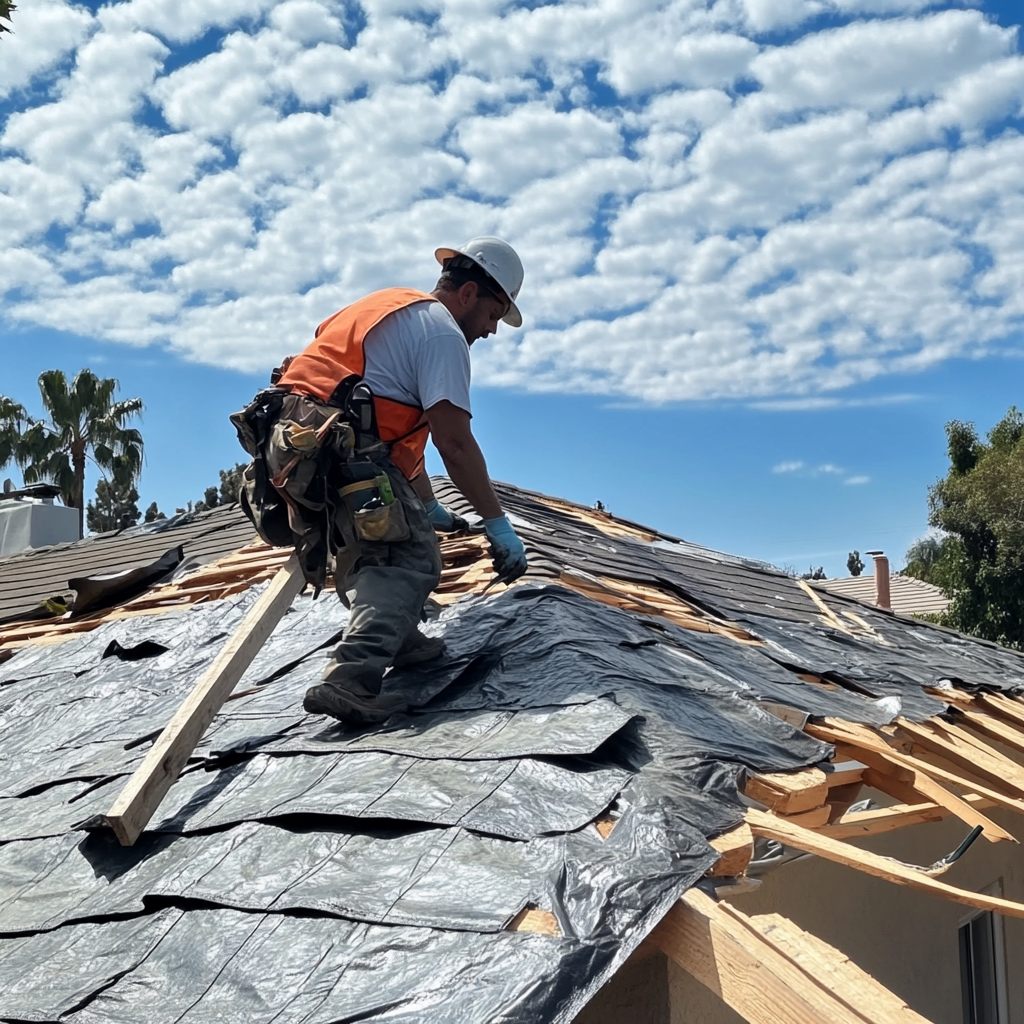
Roof underlayment sits between the roof deck and the outer roofing material. Its job is to add an extra layer of protection against moisture. On tile roofs, shingle roofs, and many other roofing systems, underlayment helps protect the structure beneath when rain, wind, heat, or aging materials create vulnerabilities at the surface.
The problem is that underlayment failure is not always obvious from the ground. A tile roof may look mostly intact while the underlayment beneath it is worn, brittle, torn, or no longer keeping moisture out. A shingle roof may still have visible coverage, but aging underlayment may no longer be doing its job behind the scenes.
For Van Nuys homeowners, this is especially important because Southern California roofs are exposed to intense sun, heat, dry conditions, wind, and seasonal rain. Over time, those conditions can weaken roofing materials and make hidden underlayment problems more likely. If you suspect your roof is leaking or aging beneath the surface, scheduling roof repair in Van Nuys can help identify the problem before it spreads.
What Roof Underlayment Does
Underlayment is not the part of the roof most people think about, but it plays a major role in moisture protection. It sits below the visible roofing material and above the roof deck. If water gets past a cracked tile, lifted shingle, damaged flashing, or other vulnerable area, the underlayment helps keep that moisture from reaching the wood structure below.
This matters because no roofing material is perfect forever. Tiles can crack. Shingles can lift. Flashing can loosen. Sealants can dry out. Wind can shift materials. Debris can create pressure points. Underlayment acts as a backup layer when the surface layer is stressed.
When the underlayment is in good condition, it helps reduce the chance that minor surface damage will immediately become interior water damage. When it begins to fail, the home may become more vulnerable to leaks, attic moisture, ceiling stains, and roof deck deterioration.
Why Underlayment Failure Can Be Hard to Spot
Underlayment problems are difficult because the underlayment is covered by roofing materials. You usually cannot see it unless tiles, shingles, or other surface materials are removed during inspection or repair.
This is why some homeowners are surprised when a roof that looks decent from the street still leaks. The visible tiles may appear fine, but if the protective layer beneath them is deteriorated, water can still enter the roof system.
This is especially common with older tile roofs. Tile itself can last a long time, but the underlayment beneath the tile may wear out earlier. When that happens, the roof can begin leaking even if many tiles remain in place.
Van Nuys Roof Repair discusses surface-level tile issues in tile roof repairs in Southern California, but underlayment is one of the key hidden concerns that may need professional evaluation.
Warning Sign 1: Ceiling Water Stains
One of the clearest warning signs of a roofing problem is a ceiling water stain. It may look like a brown ring, a yellowish patch, a darker area, or bubbling paint. If the stain appears after rain, underlayment failure may be one possible cause.
A ceiling stain does not automatically prove that underlayment is failing. Plumbing, HVAC condensation, flashing issues, or other roof problems may also be involved. But if the roof is older, if the stain appears repeatedly, or if the roof surface does not show obvious damage, underlayment should be considered.
Water can enter through a vulnerable area, travel beneath roofing materials, and eventually reach the ceiling below. The visible stain may show up far from the actual entry point.
If you notice staining inside the home, the guide on what to do when you notice a ceiling water stain explains why homeowners should document the issue and schedule an inspection instead of simply painting over it.
Warning Sign 2: Recurring Leaks in the Same Area
If the same area keeps leaking after repeated patching, the problem may be deeper than the surface repair. A cracked tile, lifted shingle, or flashing gap may have been repaired, but if the underlayment below is deteriorated, water may still find a path inside.
Recurring leaks are frustrating because they can make homeowners feel like the repair “didn’t work.” In some cases, the repair may have addressed one visible issue while the underlying moisture barrier remained compromised.
This can happen when the underlayment is brittle, torn, punctured, improperly lapped, or worn from age. Once that protective layer stops directing water away, small weaknesses can become repeated interior problems.
Van Nuys Roof Repair has explained how small leaks can grow into larger problems in why small roof leaks can become expensive repairs. Repeated leaks should always be taken seriously because they often point to a larger issue.
Warning Sign 3: The Roof Is Older
Age is one of the biggest factors in underlayment failure. Even if the visible roof material still looks acceptable, the underlayment may have reached the point where it no longer performs reliably.
Southern California conditions can be hard on roofs. Heat, UV exposure, dry air, and seasonal temperature changes can cause materials to dry out, shrink, crack, or become brittle. Over time, underlayment may lose flexibility and become more prone to tearing or deterioration.
If your roof is older and has not been inspected recently, it may be worth having a professional evaluate its condition. This is especially true if you are noticing leaks, musty odors, attic moisture, slipped tiles, or visible roof wear.
Van Nuys Roof Repair’s article on how often to replace your roof in Southern California can help homeowners understand why roof age matters in this region.
Warning Sign 4: Cracked, Slipped, or Missing Tiles
Cracked or shifted tiles do not always mean the underlayment has failed, but they can expose it to more stress. Tiles help protect the underlayment from sun, debris, and direct weather exposure. When tiles are missing, broken, or out of place, the underlayment may be exposed to conditions it was not meant to handle long term.
Over time, exposed underlayment can dry out, tear, or weaken. If the damage is not repaired, water may eventually reach the roof deck or interior spaces.
This is why tile roof issues should not be ignored just because water is not dripping yet. A tile roof may be giving early warning signs before the underlayment problem becomes visible inside the home.
If you see shifted tiles, cracked tiles, missing pieces, or uneven sections, it is a good idea to schedule an inspection through roof repair in Van Nuys.
Warning Sign 5: Musty Odors in the Attic or Upper Rooms
A musty odor can be a sign of hidden moisture. If underlayment is no longer keeping water out, moisture may enter attic spaces, insulation, or roof decking before it reaches the ceiling.
You may notice the smell in an upstairs room, closet, hallway, or attic access area. The odor may be stronger after rain or during humid conditions. Even if you do not see visible staining yet, moisture may still be present.
Musty smells can come from several sources, including plumbing, HVAC, ventilation issues, or interior moisture. But in a home with an older or damaged roof, the roof system should be checked as one possible source.
A professional inspection can help determine whether moisture is entering from above and whether underlayment failure, flashing damage, or another roofing issue is involved.
Warning Sign 6: Damp or Damaged Attic Insulation
If you can safely view the attic from an access point, damp insulation may be another warning sign. Wet insulation can appear darker, flattened, clumped, or compressed. You may also notice staining on wood, rusted nails, or water trails.
Do not walk through the attic unless you know how to do so safely. Attic spaces can be dangerous, and stepping in the wrong place can damage the ceiling or cause injury.
If insulation is damp after rain, a roof leak may be present. The source may be flashing, roof penetrations, damaged materials, or failing underlayment. Because water can travel before it becomes visible, the stain or damp area may not line up exactly with the roof opening.
If you notice attic moisture, it is better to call a professional than assume the problem will dry out on its own.
Warning Sign 7: Previous Repairs Keep Failing
A roof with multiple past repairs may have a bigger hidden issue. If patching one section leads to another leak nearby, or if repaired areas keep breaking down, the underlayment may be too worn to support long-term protection.
This can happen when the roof is aging as a system. A contractor may be able to repair one leak, but if the underlayment across a larger section is brittle or deteriorating, additional leaks may continue appearing.
At that point, the question may shift from “Can this one spot be repaired?” to “Is the roof system still reliable?” Sometimes a targeted repair is enough. Other times, larger repairs or roof replacement in Van Nuys may be the better long-term option.
Warning Sign 8: Water Appears After Wind-Driven Rain
Some roof leaks only appear when rain is paired with wind. That is because wind can push water under tiles, shingles, or roof edges in ways that normal rainfall may not. If the underlayment is healthy, it may still help protect the roof deck. If it is failing, wind-driven rain can expose the weakness quickly.
This kind of leak can be confusing because the roof may not leak during every rain. It may only leak during certain storm angles, wind conditions, or heavier weather events.
Van Nuys Roof Repair’s article on how wind can damage a roof even without heavy rain explains why wind can weaken roofing systems before a leak becomes obvious.
Warning Sign 9: Visible Sagging or Soft Spots
Sagging roof areas, soft decking, or uneven rooflines may indicate moisture has affected the roof structure. This is more serious than a small surface issue and should be inspected promptly.
Underlayment failure can allow water to reach the roof deck. Over time, moisture may weaken wood, create soft spots, and contribute to structural concerns. Not every sagging area is caused by underlayment failure, but it is a warning sign that should never be ignored.
If you notice sagging from the ground, avoid walking on the roof. A weakened roof surface can be dangerous. Contact a roofing professional for an inspection.
Warning Sign 10: The Roof Looks Fine, But Leaks Continue
One of the most frustrating signs of underlayment failure is when the roof looks fine from the outside but still leaks. This is especially common with tile roofing systems because the visible tile may remain in place while the hidden moisture barrier beneath it has aged.
A roof does not have to look destroyed to be failing. The most important protective layer may be hidden. If leaks continue and no obvious surface damage is visible, the underlayment should be evaluated by someone who understands roof systems in Southern California.
Van Nuys Roof Repair can inspect the roof, review visible materials, check vulnerable areas, and help determine whether the issue is isolated or part of a larger roofing problem.
Why Prompt Inspection Matters
Underlayment problems usually get worse over time. Once the protective layer is compromised, moisture can continue entering during rain, wind-driven weather, or drainage backups. The longer the issue goes unchecked, the greater the risk of attic moisture, insulation damage, ceiling stains, mold-like growth, damaged decking, and interior repairs.
Prompt inspection does not always mean the roof needs replacement. Sometimes repairs can address a specific damaged area. But waiting too long can reduce options and increase the amount of work needed later.
If your roof is older, leaking repeatedly, showing signs of tile movement, or developing unexplained interior stains, scheduling an inspection can help you understand what is actually happening beneath the surface.
Final Thoughts
Roof underlayment is one of the most important hidden parts of your roofing system. It helps protect the roof deck and interior of your home when surface materials are damaged, shifted, or exposed to weather. When that underlayment begins to fail, the warning signs may appear slowly.
Ceiling stains, recurring leaks, older roof age, cracked or slipped tiles, musty odors, damp attic insulation, repeated failed repairs, wind-driven leaks, and sagging areas can all point to a deeper roofing problem.
For Van Nuys homeowners, the best approach is to act early. Do not wait for a small stain or occasional leak to become a larger repair. If you suspect your roof underlayment may be failing, Van Nuys Roof Repair can inspect the issue and help determine whether repair or replacement is the right next step.