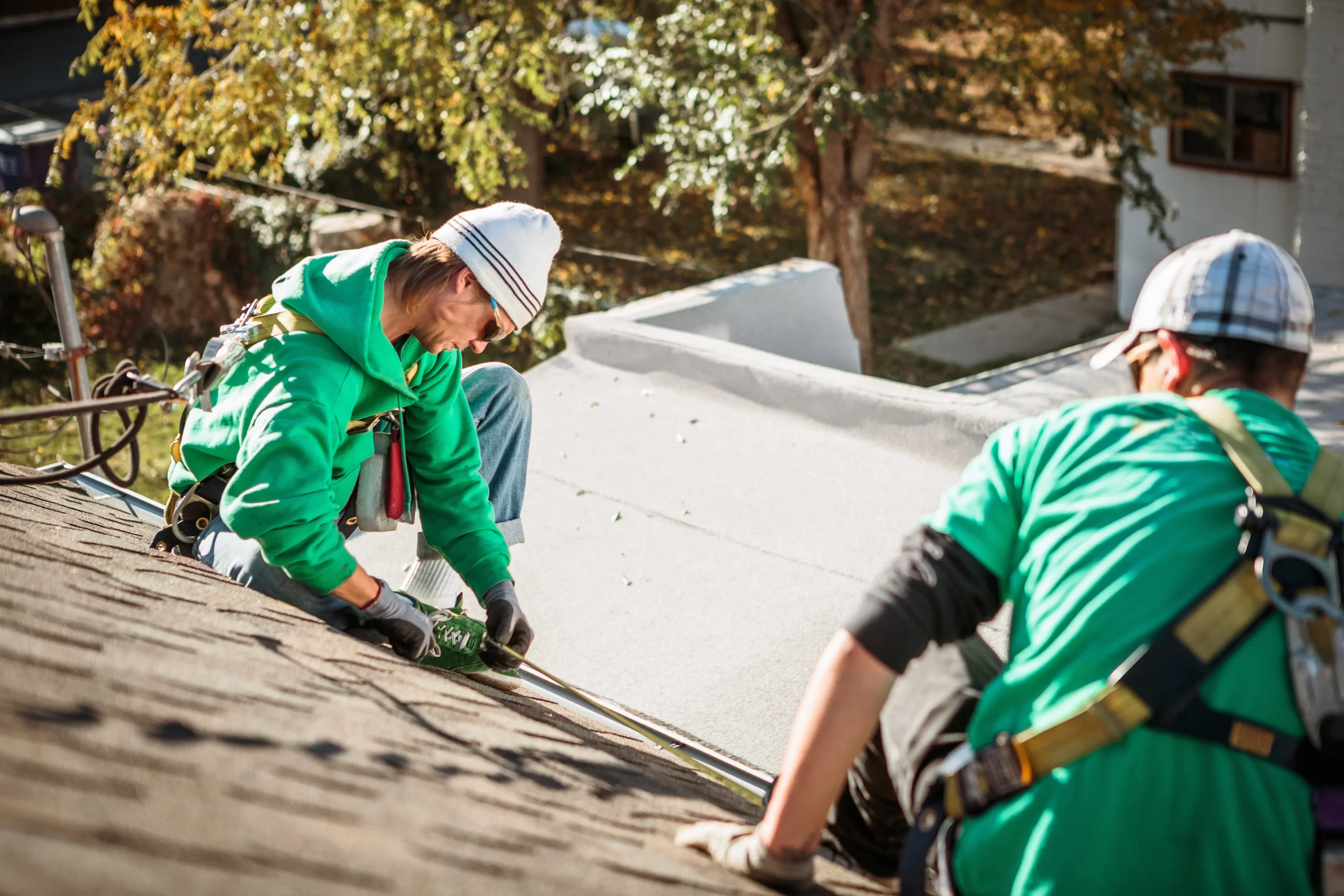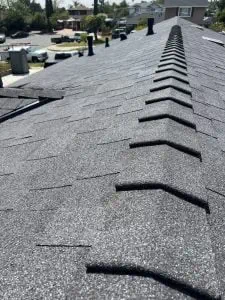
When homeowners think about roof damage, they often picture heavy rain, major storms, or obvious leaks. But wind can damage a roof even when there is little or no rain at all. In Van Nuys and throughout the San Fernando Valley, strong gusts can loosen roofing materials, shift tiles, lift shingles, damage flashing, and leave vulnerable areas exposed before the next storm arrives.
The tricky part is that wind damage is not always obvious right away. A roof may look mostly normal from the ground, but a few lifted shingles, cracked tiles, loose ridge caps, or separated flashing pieces can create openings where water can enter later. By the time a ceiling stain or leak appears, the wind damage may have already been there for days, weeks, or longer.
That is why homeowners should pay attention after strong winds, even if the weather stayed dry. A roof does not need a downpour to be damaged. Wind alone can weaken the protective system that keeps your home safe.
If you notice missing materials, loose roof edges, debris impact, or new interior signs after a windy day, scheduling roof repair in Van Nuys can help identify problems before the next rain exposes them.
Wind Can Lift Roofing Materials
One of the most common ways wind damages a roof is by lifting roofing materials. Asphalt shingles, tiles, flashing, vents, and roof edge components are designed to stay secure, but repeated wind pressure can loosen them over time.
With asphalt shingles, wind may lift the edges enough to break the seal beneath them. Once that seal is weakened, the shingle may not lie flat again. It can become more vulnerable to future gusts, rain intrusion, and eventual tearing or loss.
Tile roofs can also be affected. While individual tiles are heavier than shingles, strong wind can shift, crack, or loosen tiles, especially if fasteners, mortar, or surrounding materials are aging. A slipped tile may expose the underlayment beneath it, and that underlayment may not be strong enough to handle long-term sun and weather exposure on its own.
These problems may not cause a leak immediately, but they can create weak points that grow worse over time.
Wind Can Damage Flashing
Flashing is one of the most important parts of a roofing system because it protects vulnerable transitions. It is commonly found around chimneys, skylights, vents, walls, valleys, and roof edges. When flashing is secure, it helps direct water away from openings. When it loosens, bends, separates, or cracks, leaks can develop.
Wind can pull at flashing, especially in areas where sealant has dried out or fasteners have weakened. Even a small separation can let wind-driven rain enter later. Because flashing problems often occur around penetrations or transitions, the resulting leaks may show up far from the actual entry point.
If you notice water stains near interior walls, ceiling corners, skylights, or attic areas after wind or rain, damaged flashing may be one possible cause. Van Nuys Roof Repair can evaluate these areas as part of a professional inspection for roof repair services.
Wind Can Push Debris Across the Roof
Strong wind can carry branches, leaves, palm fronds, loose outdoor items, and other debris onto the roof. Even if the debris looks minor, it can still cause problems.
Branches can crack tiles, scrape shingles, dent metal components, or damage vents. Leaves and debris can collect in valleys, gutters, drains, and low-slope areas, slowing water movement when rain returns. On flat or commercial roofs, wind-blown debris can block drainage points and contribute to ponding water.
Debris can also hide damage. A pile of leaves or branches may cover a cracked tile, lifted shingle, or punctured area until moisture begins to enter the home. That is why roof debris should be taken seriously after windy conditions.
For flat or low-slope buildings, drainage concerns are especially important. Van Nuys Roof Repair’s commercial roofing in Van Nuys service can help property owners evaluate roof surfaces, drainage areas, and damage risks after wind events.
Wind Can Loosen Roof Edges
Roof edges are especially vulnerable because wind can catch under materials and pull upward. Eaves, fascia, drip edges, starter shingles, ridge caps, and perimeter flashing all help protect the roof system. If wind loosens these areas, the roof may become more vulnerable during the next storm.
Once an edge piece shifts, it may allow more wind to get underneath surrounding materials. That can create a chain reaction where one small problem leads to larger sections becoming loose.
This is one reason homeowners should not ignore lifted or curled shingles near the edge of the roof. What looks like a small cosmetic issue may indicate that the roof’s first line of defense has been weakened.
If your roof has visible edge damage, missing materials, or loose trim after wind, it is worth having the issue inspected before it spreads.
Wind Can Create Hidden Openings
Not all roof damage is visible from the ground. Wind can create small openings under shingles, around vents, beneath tiles, or near flashing. These openings may not be large enough to see from below, but they can let dust, moisture, and wind-driven rain into the roofing system.
This is especially concerning because Southern California roofs experience long periods of sun and heat. If roofing materials are already brittle, dry, or aging, wind can exploit those weak points. A material that might have stayed in place years ago may now crack, lift, or separate more easily.
Van Nuys Roof Repair has covered this issue more broadly in how San Fernando Valley heat damages roofs in Van Nuys. Heat and wind can work together, with heat weakening materials and wind exposing the damage.
Wind Damage Can Lead to Delayed Leaks
One of the biggest misconceptions about wind damage is that it should cause an immediate leak. In reality, many wind-related roofing problems do not show up inside the home until later.
A windy day may loosen shingles or flashing. The roof may stay dry for days. Then, when rain arrives, water enters through the weakened area. The homeowner may assume the rain caused the problem, but the roof may have been compromised before the storm began.
This delayed leak pattern can make damage harder to trace. The stain may appear after rain, but the original roof problem may have started during a wind event. That is why it helps to remember recent weather, even if the day you noticed the leak was not especially stormy.
If you notice interior staining after a windy or rainy period, the guide on what to do when you notice a ceiling water stain explains the first steps homeowners should take.
Wind Can Worsen Existing Roof Problems
A roof that is already aging, leaking, or poorly maintained is more likely to be affected by wind. Small issues that might seem manageable can become larger when exposed to repeated gusts.
For example, an already cracked tile may break further. A slightly lifted shingle may tear away. Old sealant around a vent may separate. A loose piece of flashing may bend open. A clogged gutter may overflow once debris is blown into it.
Wind rarely damages every part of a roof evenly. Instead, it often finds weak points. Older roofs, poorly repaired areas, edges, valleys, and roof penetrations are common trouble spots.
If your roof has had recurring issues, Van Nuys Roof Repair’s article on why small roof leaks can become expensive repairs explains why early repairs can help prevent hidden damage from spreading.
Signs of Wind Damage You May See From the Ground
Homeowners should not climb onto the roof after a windy day. Roof surfaces can be dangerous, and damage may not be easy to identify without training. However, you can look for certain warning signs from the ground.
You may notice missing shingles, shifted tiles, cracked tiles, loose ridge pieces, bent flashing, roof debris, hanging gutters, damaged fascia, loose vents, or materials on the ground around the home. Indoors, you may see new ceiling stains, musty odors, damp attic insulation, bubbling paint, or water marks near exterior walls.
You may also notice that a roof looks uneven in certain areas. Shingles may appear raised. Tiles may look out of alignment. Roof edges may seem lifted or disturbed.
If anything looks different after strong winds, it is better to schedule an inspection than wait until rain confirms there is a problem.
Do Not Ignore Debris in Gutters and Valleys
Wind often sends debris into gutters, valleys, scuppers, and drains. These areas are important because they help move water away from the roof. When they clog, water can back up and find weak points.
Gutters filled with leaves or debris may overflow near fascia, siding, or foundation areas. Roof valleys packed with debris may hold moisture longer than they should. Flat roof drains blocked by wind-blown materials may cause ponding water that stresses the roof surface.
Even if the roof itself was not directly damaged by wind, drainage problems can still lead to leaks or moisture damage later.
Van Nuys Roof Repair’s article on prepare your roof for storm season explains why clearing drainage paths before wet weather matters.
Why DIY Wind Damage Repairs Are Risky
After wind damage, some homeowners try to replace a visible shingle, seal a gap, or push a tile back into place themselves. While this may seem simple, DIY roof repair can create more problems if the underlying issue is not understood.
A lifted shingle may need more than a quick seal. A shifted tile may indicate underlayment exposure. A flashing gap may require proper fastening and weatherproofing, not just caulk. A roof edge issue may be part of a larger perimeter problem.
DIY work can also be dangerous. Roof surfaces may be unstable, and damage can make certain areas weaker than they appear.
A professional inspection can identify whether the damage is isolated or part of a larger roofing concern. If you are unsure what to ask before scheduling help, the blog on what questions should you ask before hiring a roof repair company can help you prepare.
When Wind Damage May Point to Replacement
Not every wind-damaged roof needs replacement. Many issues can be repaired if they are caught early and limited to a specific area. However, widespread wind damage may reveal that the roof is near the end of its useful life.
If shingles are brittle, curling, missing in several areas, or losing granules, repairs may only solve short-term problems. If tile underlayment is failing across multiple sections, isolated repairs may not be enough. If the roof has repeated leaks, sagging areas, or major material deterioration, replacement may be worth discussing.
Van Nuys Roof Repair can help homeowners compare repair and replacement options. In some cases, targeted repairs are appropriate. In others, roof replacement in Van Nuys may provide better long-term protection.
Schedule an Inspection Before the Next Rain
Wind damage is easiest to address before water starts entering the home. Once rain arrives, small openings can turn into stains, dripping, insulation damage, and interior repairs.
If you know your neighborhood experienced strong gusts, or if you see anything unusual on or around your roof, scheduling an inspection can help catch problems early. This is especially important for older roofs, flat roofs, tile roofs, and homes that have had previous leak issues.
A professional can check roof edges, flashing, vents, valleys, shingles, tiles, drainage areas, and visible wear. The goal is to identify weak points before they become active leaks.
Final Thoughts
Heavy rain is not the only weather event that can damage a roof. Wind can lift shingles, shift tiles, loosen flashing, blow debris into drainage areas, damage roof edges, and create hidden openings that lead to delayed leaks.
For Van Nuys homeowners, wind damage should be taken seriously even when the weather stays dry. The roof may look mostly intact from the ground, but small issues can become bigger once rain, heat, and time are added to the equation.
If you notice missing materials, shifted tiles, loose flashing, debris buildup, ceiling stains, or other signs after strong winds, contact Van Nuys Roof Repair for an inspection. Acting early can help protect your roof, your ceiling, and the rest of your home before the next storm arrives.