A damaged roof can do more than create leaks. It can also affect how efficiently your home holds heat, blocks outdoor temperatures, and supports proper airflow. When shingles, flashing, ventilation, insulation, or roof decking are compromised, your HVAC system may have to work harder to keep the home comfortable. Over time, that added strain can show up in higher energy costs.
Many homeowners think of roof damage only in terms of visible problems like missing shingles, ceiling stains, or dripping water. Those issues are important, but roof damage can also create less obvious comfort and efficiency problems. If certain rooms feel hotter than others, your air conditioner runs constantly, your attic feels extremely hot, or your energy bills seem to rise without a clear reason, the roof may be one of the areas worth checking.
In a warm climate like Van Nuys and the San Fernando Valley, roof performance matters. Sun exposure, heat, aging materials, poor ventilation, cracked roofing components, and worn seals can all affect how much heat enters the home. A roof does not work alone, but it plays a major role in protecting the building envelope.
Here is how a damaged roof can increase energy costs and what homeowners should know before the problem gets worse.
Your Roof Helps Control Indoor Comfort
Your roof is one of the main barriers between your home and the outdoor environment. It helps protect against sun, rain, wind, debris, heat, and moisture. When the roof is in good condition, it works with insulation, attic ventilation, windows, doors, and HVAC equipment to keep indoor temperatures more stable.
When the roof is damaged, that balance can change. Heat may enter more easily. Air may move where it should not. Moisture may affect insulation. Ventilation may become less effective. Small gaps, cracks, or damaged materials can make your home harder to cool during hot weather.
That does not mean every high energy bill is caused by roof damage. HVAC issues, old windows, poor insulation, duct leaks, thermostat settings, and appliance usage can all affect energy costs. But if your roof is aging, damaged, leaking, or poorly ventilated, it should be part of the conversation.
For homeowners unsure where to start, scheduling a professional inspection through a local roofing company like Van Nuys Roof Repair can help identify whether roofing problems may be contributing to comfort or efficiency concerns.
Missing or Damaged Shingles Can Let Heat and Moisture In
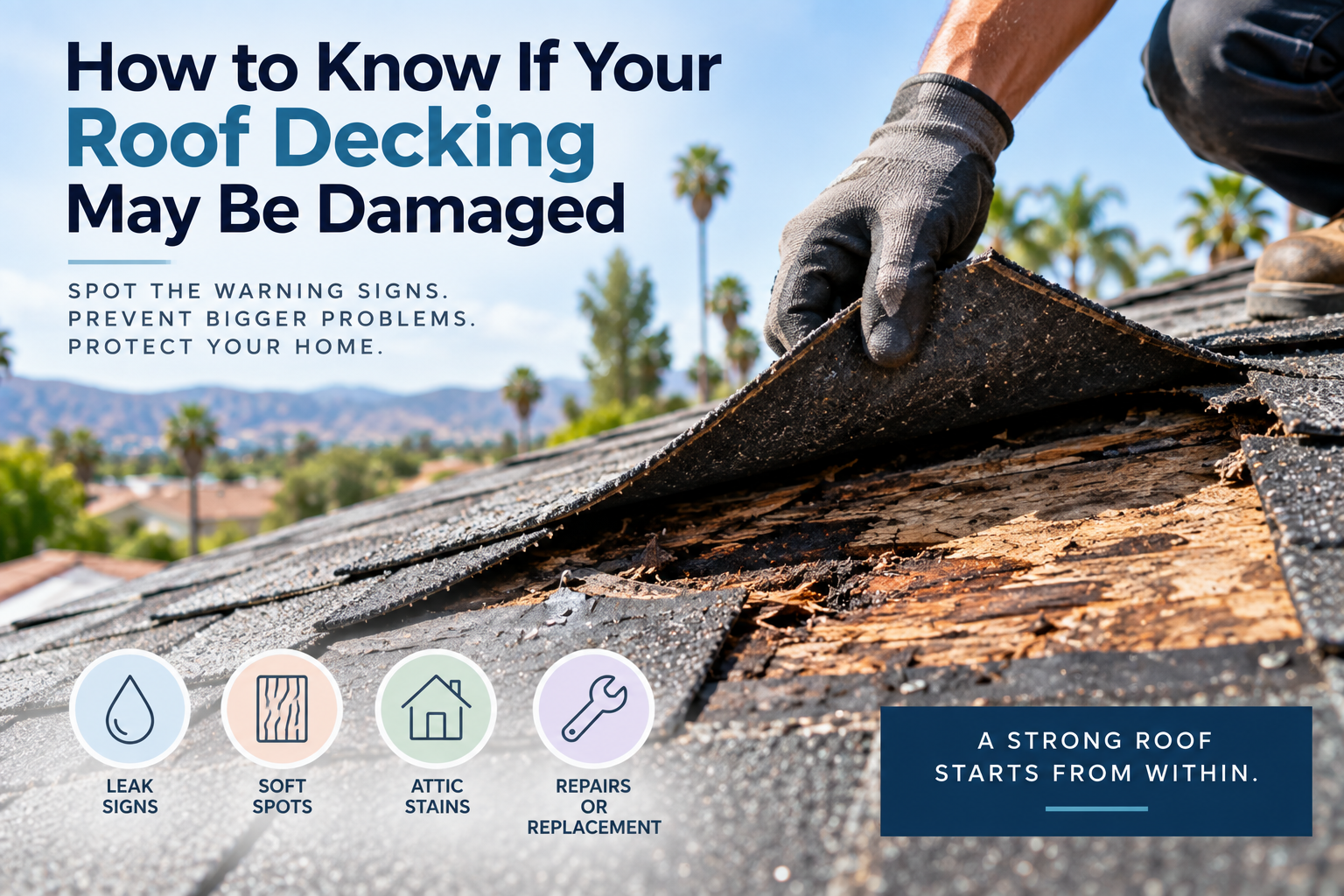
Shingles are designed to protect the roof from weather exposure. When shingles are missing, cracked, curled, loose, or deteriorated, the layers beneath them may become more vulnerable.
Damaged shingles can expose underlayment or decking to sunlight, wind, and rain. This can make the roof less effective at blocking outdoor conditions. In hot weather, damaged roofing materials may also allow more heat to transfer into the attic or upper rooms.
Moisture is another concern. Even a small opening can allow water to reach the roof deck or attic. Once moisture gets in, insulation can become damp, compressed, or less effective. Wet insulation does not perform as well as dry insulation, which can make it harder to regulate indoor temperature.
If you notice missing shingles, loose roofing materials, or visible wear, do not wait until water stains appear inside the home. Roof repair is often easier and less expensive when problems are handled early.
Roof Leaks Can Damage Insulation
A roof leak is not just a water problem. It can become an energy problem too.
Attic insulation helps slow heat transfer between the attic and the living space. During hot Van Nuys summers, insulation helps reduce how much attic heat moves into the rooms below. If a roof leak soaks the insulation, that insulation may lose effectiveness.
Wet insulation can become heavy, compressed, mold-prone, and less able to resist heat flow. Even after the leak is repaired, damaged insulation may need to be replaced if it cannot dry properly or has been contaminated.
This is one reason small leaks should not be ignored. A minor drip may seem manageable at first, but it can affect drywall, framing, insulation, indoor air quality, and energy efficiency over time.
If your home has water stains, musty attic odors, peeling paint, or signs of moisture near ceilings, it may be time to review common leak causes. Van Nuys Roof Repair’s guide on why your flat roof leaks explains how roof leaks can start and why early attention matters.
Poor Roof Ventilation Can Make Cooling Harder
Roof and attic ventilation are major factors in home comfort. In many homes, ventilation helps hot air escape from the attic while allowing cooler air to enter through intake vents. When ventilation is poor, blocked, damaged, or unbalanced, heat can build up under the roof.
In a hot climate, attic temperatures can become extremely high. When that heat sits above your living space, your air conditioner may need to work harder to keep rooms cool. This can lead to longer cooling cycles, uneven temperatures, and higher energy use.
Roof damage can affect ventilation in several ways. Vents may be blocked by debris. Vent covers may be damaged. Poorly installed roofing materials may restrict airflow. Aging or damaged roof components may allow air movement in the wrong places while limiting proper attic ventilation.
If upstairs rooms feel much hotter than the rest of the home, or if your air conditioner seems to struggle during warm weather, ventilation should be evaluated along with the roof condition.
Damaged Flashing Can Create Air and Water Intrusion
Flashing is used around areas where the roof meets another surface or penetration, such as chimneys, vents, skylights, walls, and roof edges. Its job is to help direct water away from vulnerable transitions.
When flashing is cracked, loose, rusted, lifted, or poorly sealed, water can enter the roof system. Air can also move through gaps around roof penetrations. These openings may seem small, but they can affect both moisture control and energy performance.
In many homes, small flashing problems go unnoticed until a leak appears. By then, nearby insulation, drywall, or framing may already be affected.
Because flashing is one of the most common sources of roof leaks, it should be checked during routine inspections and after heavy rain or wind. A professional roof repair appointment can identify whether flashing repairs are needed before the issue spreads.
Heat-Damaged Roofing Materials May Perform Worse
Van Nuys homeowners know how intense Southern California heat can feel. Roofs absorb a large amount of sun exposure, and over time that heat can wear down roofing materials.
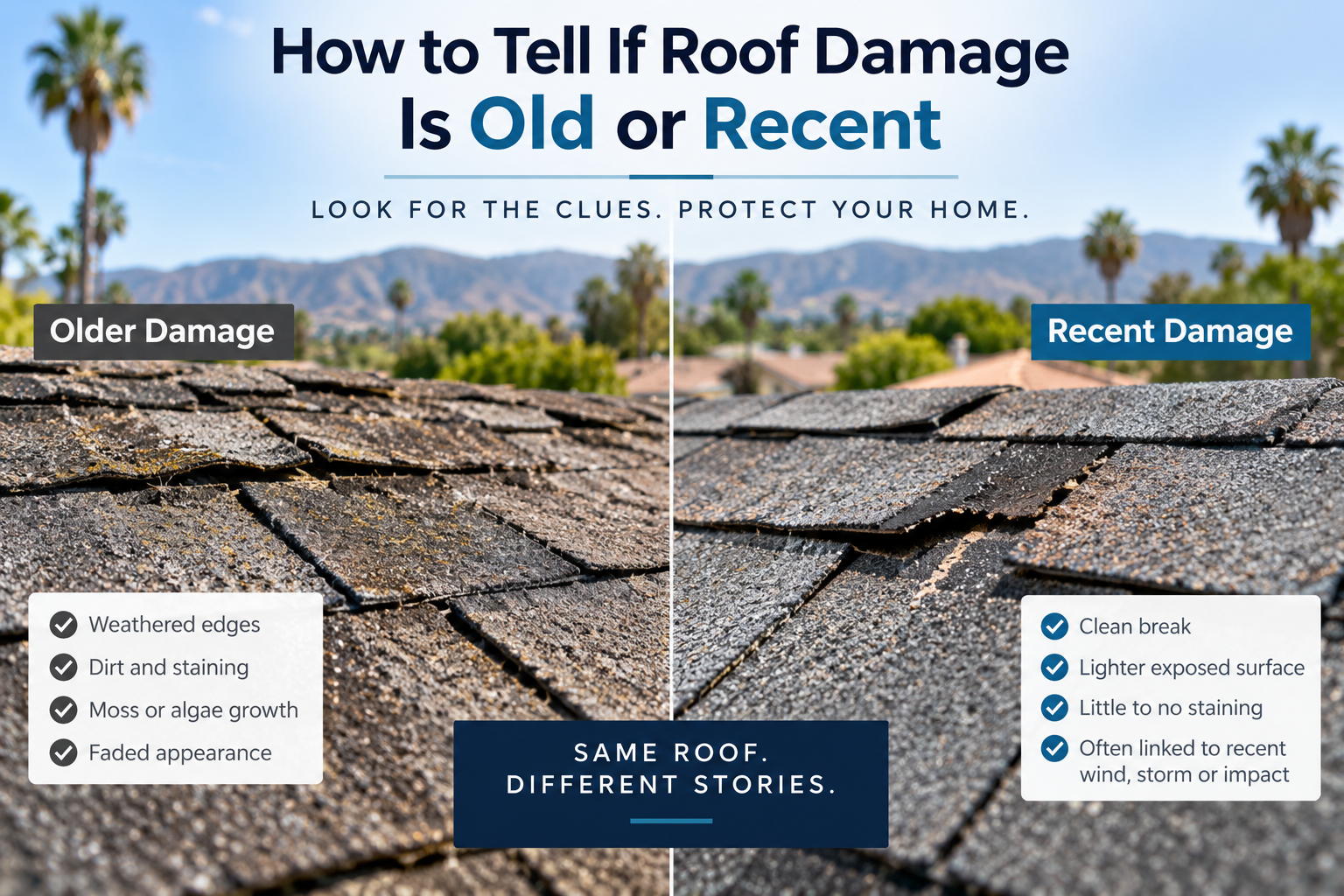
As shingles age, they may lose granules, become brittle, curl, crack, or reflect less sunlight. Flat roofing materials may blister, split, pond water, or deteriorate at seams. Sealants may dry out. Coatings may wear away.
When the roof surface becomes worn, it may not perform as well as it once did. In some cases, heat-damaged materials can absorb more heat or fail to protect the roof system properly. This can contribute to higher indoor temperatures, especially in upper rooms or poorly insulated spaces.
If your roof is older or visibly worn, it may be worth learning more about roofing options designed for hot climates. Van Nuys Roof Repair’s article on best roofing materials for hot climates covers material considerations that can matter in Southern California weather.
Cool Roof Performance Can Decline if the Roof Is Damaged
Cool roofs are designed to reflect more sunlight and absorb less heat than standard dark roofs. In sunny areas, this can help reduce heat gain and support better indoor comfort. However, cool roof benefits depend on the roof being properly installed, maintained, and kept in good condition.
If a cool roof coating is cracked, dirty, peeling, worn, or damaged, it may not perform as intended. Flat roofs may also develop ponding water, seam separation, or membrane damage that reduces effectiveness and creates leak risks.
For homeowners interested in energy-conscious roofing, maintenance matters. A cool roof is not a set-it-and-forget-it solution. It should be inspected periodically to make sure the surface is still intact and functioning properly.
To better understand why reflective roofing can be helpful in warm climates, review Van Nuys Roof Repair’s article on how cool roofs help you beat rising temps.
Roof Age Can Affect Energy Efficiency
Even if a roof does not have an obvious leak, age can reduce performance. Older roofing systems may have worn materials, weakened seals, outdated ventilation, deteriorated flashing, and reduced protection against heat and moisture.
As a roof ages, it may become less effective at protecting the home from outdoor conditions. You may notice more indoor temperature swings, increased attic heat, or higher cooling costs. The roof may also become more vulnerable to sudden damage during rain or wind.
This is why roof age matters when evaluating energy costs. If your energy bills are rising and your roof is near the end of its expected lifespan, repairs may help in some cases, but replacement may eventually become the better long-term solution.
Van Nuys Roof Repair’s guide on how often to replace your roof in Southern California can help homeowners understand how climate, materials, and maintenance affect roof lifespan.
Storm Damage Can Create Hidden Efficiency Problems
Rain and wind can cause roof damage that is not always obvious from the ground. Shingles can loosen. Flashing can lift. Flat roof seams can weaken. Debris can clog drainage areas. Water can enter small openings and slowly affect insulation or roof decking.
After a storm, some homeowners only look for major leaks. While that is important, hidden damage may still affect the roof’s performance. A small opening can gradually allow moisture and air intrusion, which may contribute to comfort problems and energy waste.
If your roof has been through heavy rain, strong wind, or flying debris, a post-storm inspection can help catch issues early. Van Nuys Roof Repair’s resource on how to prepare your roof for storm season explains why preparation and maintenance are important before weather creates bigger problems.
A Damaged Roof Can Make Your HVAC System Work Harder
When heat, moisture, and air movement are not properly controlled, your HVAC system often has to compensate. In summer, that may mean the air conditioner runs longer to reach the thermostat setting. In winter, it may mean heated air escapes more easily or rooms feel less stable.
This can lead to:
Higher monthly utility bills
More frequent HVAC cycling
Uneven room temperatures
Hot upstairs spaces
Increased wear on HVAC equipment
Less consistent indoor comfort
More humidity or moisture concerns in some areas
The roof is only one part of the home’s energy system, but it can influence how hard the HVAC equipment works. If both the roof and HVAC system are aging, efficiency problems may become more noticeable.
A roofing inspection can help determine whether damaged materials, ventilation issues, or leaks may be adding to the problem.
Signs Your Roof May Be Affecting Energy Costs
Homeowners should pay attention to changes in comfort and utility bills. A damaged roof may be contributing to energy issues if you notice:
Energy bills rising without a clear reason
Rooms near the attic feeling hotter than usual
Air conditioning running more often
Visible roof damage
Missing, cracked, or curling shingles
Water stains on ceilings or walls
Musty attic smells
Damp or compressed insulation
Poor attic ventilation
Higher indoor humidity
Leaks after rain
Granule loss on shingles
Blistering or ponding on flat roofs
These signs do not always point to one single cause, but they are worth investigating. If roof damage is present, repairs may help restore protection and improve home comfort.
Roof Repair Can Help Protect Long-Term Home Performance
Roof repair is not only about stopping leaks. It is also about preserving the system that protects your home from heat, water, and outdoor exposure.
Timely repairs may help protect insulation, reduce moisture damage, support ventilation, prevent interior repairs, and keep the home more comfortable. Small repairs can also help extend the useful life of the roof when the overall system is still in good condition.
However, not every roof can be repaired indefinitely. If damage is widespread or the roof is near the end of its lifespan, replacement may be the better option. A professional roofer can evaluate whether repair or replacement makes more sense based on the roof’s age, material, condition, and damage level.
Van Nuys Roof Repair’s article on how a new roof can better protect your home explains why replacement may be worth considering when repair is no longer enough.
Commercial Roofs Can Also Affect Energy Costs
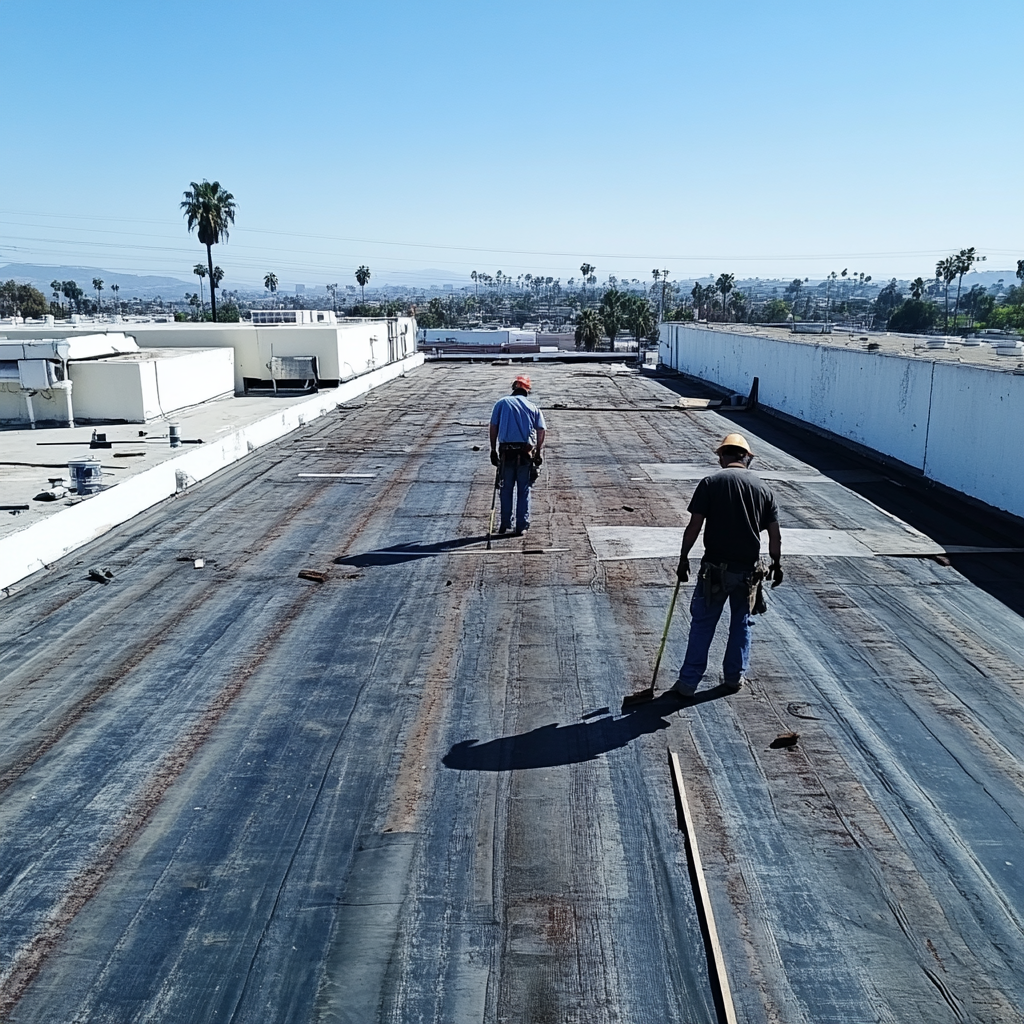
Energy efficiency concerns are not limited to homes. Commercial roofing problems can also increase cooling costs, especially for flat roofs, low-slope roofs, warehouses, retail buildings, offices, and multi-unit properties.
Commercial roof damage may involve membrane punctures, ponding water, seam failures, drainage issues, worn coatings, damaged flashing, or insulation problems. These issues can affect indoor comfort and increase the workload on HVAC systems.
Business owners and property managers in Van Nuys should not ignore rising energy costs or recurring roof problems. Professional commercial roofing in Van Nuys can help identify whether roof repairs, coating, maintenance, or replacement may support better building performance.
When to Schedule a Roof Inspection
If you suspect roof damage is affecting energy costs, schedule an inspection before the problem gets worse. It is especially important to get the roof checked if you notice leaks, visible damage, storm damage, attic heat issues, moisture stains, or unexplained increases in utility bills.
A roofer can inspect shingles, flat roof surfaces, flashing, vents, drainage, roof penetrations, and visible signs of water intrusion. They may also identify whether attic ventilation or insulation concerns should be reviewed by another qualified professional.
If you are unsure whether your roof needs repair, Van Nuys Roof Repair can help evaluate the issue and recommend the next step. You can learn more about the company or schedule service through the contact page.
Final Thoughts
A damaged roof can increase energy costs by allowing heat, air, and moisture to affect your home’s comfort and efficiency. Missing shingles, roof leaks, damaged insulation, poor ventilation, worn flashing, aging materials, storm damage, and deteriorated roof surfaces can all make your HVAC system work harder.
In Van Nuys, where heat and sun exposure are major factors, roof condition matters. A roof that is damaged or poorly maintained may not protect your home as well as it should, especially during warmer months.
If your energy bills are rising, rooms feel hotter than usual, or your roof shows signs of wear, do not ignore it. A professional inspection can help determine whether roof repair may improve protection, comfort, and long-term performance. Addressing damage early can help protect your home, reduce future repair risks, and support better energy efficiency over time.