A heat wave can be hard on your home, especially in Van Nuys and the San Fernando Valley where roofs are exposed to long stretches of intense sun, dry air, and high surface temperatures. Most homeowners know storms can damage a roof, but heat can be just as important to watch. The damage may not look dramatic at first, but repeated heat exposure can weaken roofing materials, dry out sealants, crack shingles, stress flashing, and make existing roof problems worse.
After a heat wave, your roof may not need immediate repair. But if the roof was already aging, had past leaks, or had visible wear before the temperatures climbed, extreme heat can push small issues closer to failure. A roof that looked “fine” in spring may start showing warning signs by late summer.
Knowing what to check after a heat wave can help you catch repair needs before the next storm, leak, or ceiling stain. If you notice cracked materials, missing granules, lifted edges, attic heat problems, or signs of interior moisture, it may be time to schedule a professional inspection with Van Nuys Roof Repair.
Why Heat Waves Are Tough on Roofs
Your roof absorbs a lot of heat throughout the day. During a heat wave, the roof surface can get much hotter than the outdoor air temperature, especially on dark roofing materials. That heat can cause roofing components to expand during the day and contract as temperatures cool at night.
This repeated expansion and contraction can stress shingles, tiles, flashing, sealants, underlayment, fasteners, and roof penetrations. Over time, materials can become brittle, warped, cracked, or loosened.
Heat also dries out materials. Asphalt shingles can lose flexibility. Sealants around vents and flashing can crack. Flat roof coatings or membranes can become more vulnerable if they are already worn. Tile roofs may develop cracked pieces or exposed underlayment concerns if prior damage was already present.
Van Nuys Roof Repair has covered this broader issue in how San Fernando Valley heat damages roofs in Van Nuys, but after a heat wave, the key question is whether the roof is still protecting the home the way it should.
Look for Curling or Cracked Shingles
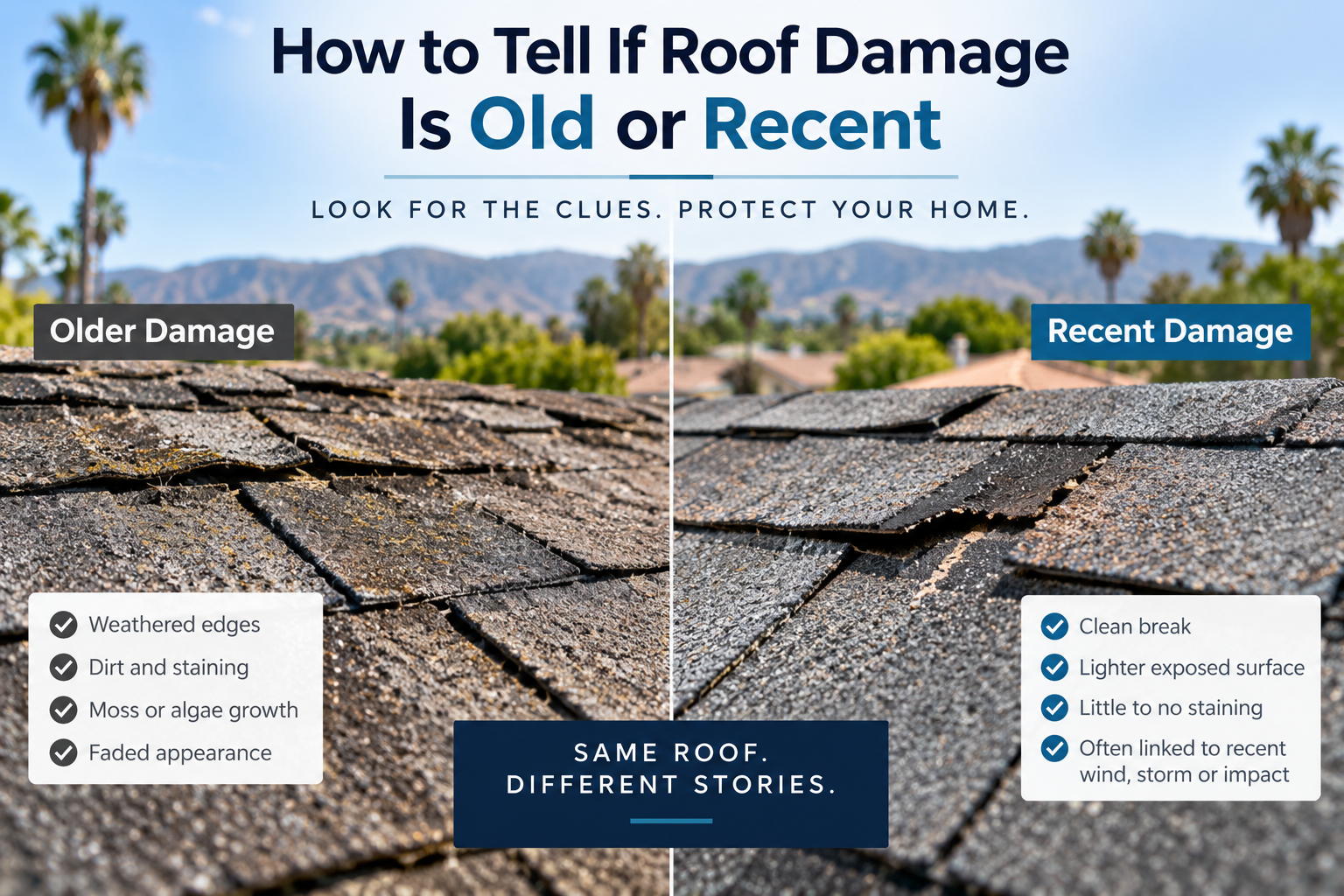
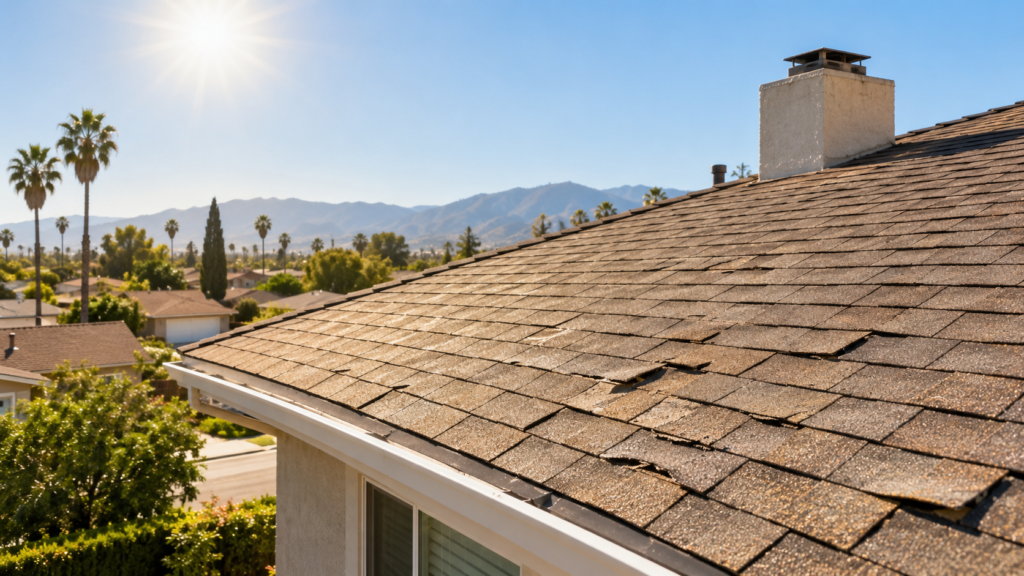
One of the clearest signs your roof may need repair after a heat wave is curling, cracking, or brittle shingles. Asphalt shingles are designed to withstand outdoor conditions, but age, UV exposure, poor ventilation, and intense heat can all wear them down.
Curling shingles may lift at the edges or corners. Cracked shingles may show visible splits across the surface. Brittle shingles may look dry, rough, or uneven. These issues matter because shingles are supposed to shed water. Once they curl or crack, wind-driven rain can more easily get underneath.
If only a few shingles are affected, a targeted repair may be possible. If the damage is widespread, the roof may need a larger evaluation. Van Nuys Roof Repair’s article on what causes roof shingles to curl or crack explains this issue in more detail.
Check for Granule Loss
Granules help protect asphalt shingles from sun exposure. When a shingle loses too many granules, the underlying material becomes more exposed to UV rays and heat. This can speed up aging and make shingles more vulnerable to cracking and deterioration.
After a heat wave, look for excessive granules in gutters, near downspouts, or along the edges of the roof. From the ground, you may also notice shingles that look patchy, shiny, bald, or uneven in color.
Some granule loss is normal as a roof ages. But heavy or sudden granule loss can be a sign that the roof surface is wearing down. This is especially important in hot climates, where sun exposure is already a major factor.
Van Nuys Roof Repair’s guide on what causes granule loss on asphalt shingles can help homeowners understand when granule loss may point to a repair need.
Watch for Lifted or Warped Roofing Materials
Heat can make existing roof movement worse. Shingles, tiles, flashing, and roof edges may shift, lift, or warp if they are already weakened. This can happen because of thermal expansion, aging materials, improper installation, or previous wind damage.
Lifted shingles or raised edges create openings where water can enter. Warped materials may also allow debris, moisture, or wind to get under the roof surface. Even if there is no rain during the heat wave, the next weather event can expose the weakness.
You may be able to see lifted shingles, uneven roof lines, or raised sections from the ground. Do not climb onto the roof to check. A heat-damaged roof can be unsafe to walk on, especially if materials are brittle or soft areas are present.
If you are unsure what you are seeing, Van Nuys Roof Repair’s article on how to spot roof damage from the ground is a good starting point.
Inspect Roof Flashing From a Safe Distance
Flashing is used around roof transitions, chimneys, vents, skylights, walls, and other areas where water is more likely to enter. Heat can dry out sealants around flashing and make older repairs fail.
After a heat wave, flashing problems may show up as gaps, lifted metal, cracked sealant, rust, loose edges, or staining near roof penetrations. You may not be able to see all of this from the ground, but you may notice suspicious areas around chimneys, vents, or roof-wall intersections.
Flashing issues can cause leaks even when the main roof surface looks okay. That is because water often finds its way in through the details, not the open middle of the roof.
If you have had past leaks around vents, skylights, or wall transitions, heat may make those weak spots more likely to reopen.
Check Flat Roof Areas Carefully
Flat and low-slope roofs can be especially vulnerable after heat waves. Commercial roofs, patio covers, and certain residential roof sections may have coatings, membranes, seams, drains, and penetrations that respond differently to intense heat than steep-slope shingle or tile roofs.
Heat can dry out coatings, weaken seams, crack sealants, and make existing ponding areas worse. If the roof already had drainage problems, trapped debris, or membrane wear, a heat wave can accelerate the need for repair.
Signs of trouble may include bubbling, blistering, cracks, open seams, soft spots, ponding water after irrigation or rain, or interior stains below the roof area.
Van Nuys Roof Repair’s article on why your flat roof leaks explains common flat roof leak causes, while the commercial roofing in Van Nuys page is relevant for business owners dealing with flat or low-slope systems.
Pay Attention to Attic Heat
A heat wave can reveal attic ventilation or insulation problems. If the attic gets extremely hot and stays hot, it can put more stress on the roof from underneath. Trapped heat can contribute to shingle aging, higher energy costs, and uncomfortable indoor temperatures.
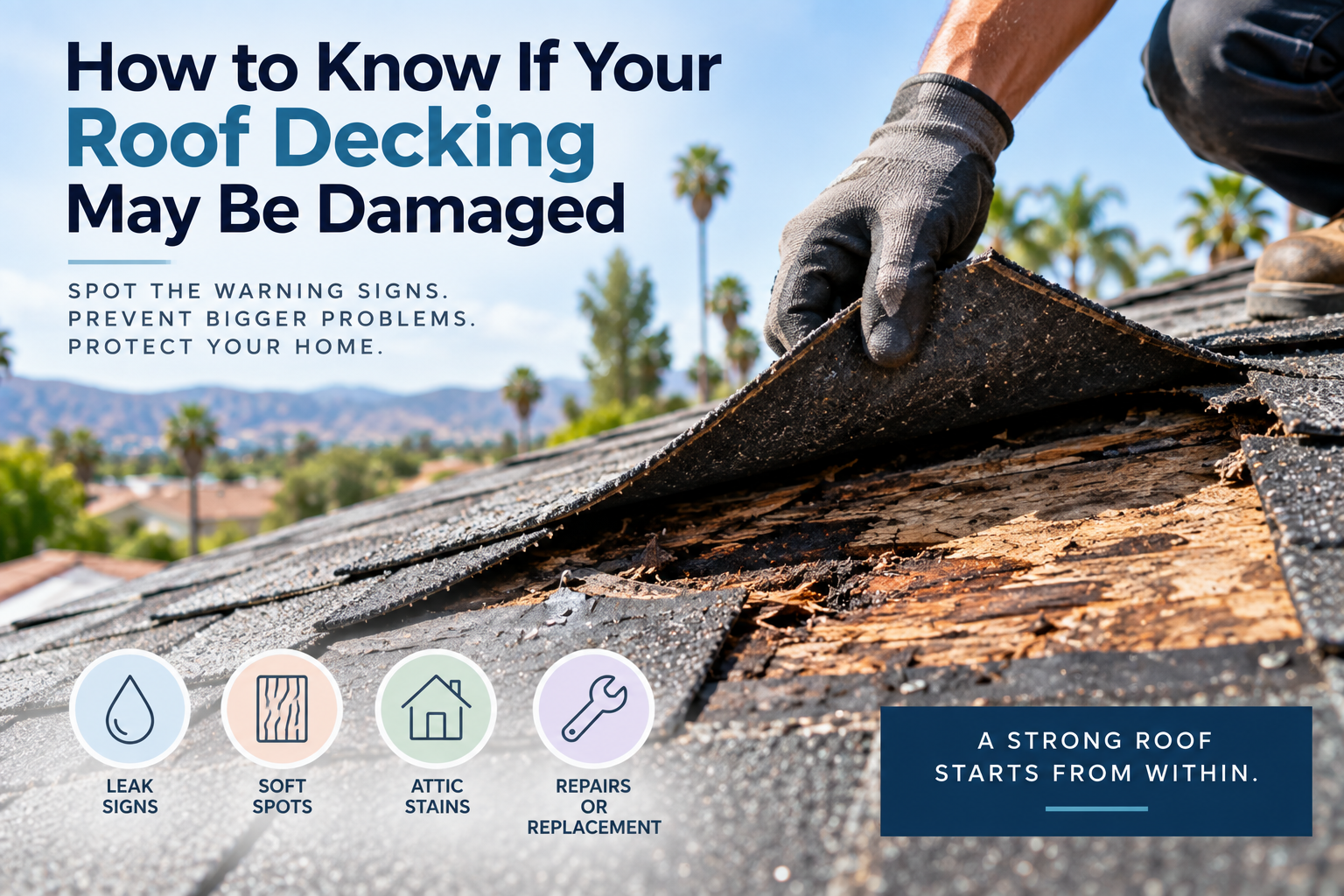
Signs of attic-related roof stress may include unusually hot upstairs rooms, high cooling bills, musty attic odors, damaged insulation, warped roof decking, or signs of moisture.
A hot attic does not automatically mean the roof needs repair, but it can make existing roof problems worse. It can also shorten the life of roofing materials over time.
Van Nuys Roof Repair has written about whether roof damage can affect your attic, and the connection can work both ways. Roof problems can affect the attic, and attic conditions can affect how well the roof performs.
Look for Ceiling Stains After the Next Rain
Heat wave damage may not become obvious until the next rain. A cracked shingle, failed sealant, lifted flashing, or weakened underlayment may not show immediate indoor signs during dry weather. Once rain arrives, the weak spot may begin leaking.
After the first rain following a heat wave, check ceilings, walls, attic spaces, and areas around vents, chimneys, skylights, and exterior walls. Watch for stains, bubbling paint, damp drywall, musty smells, or discoloration.
A small ceiling stain should not be ignored. It may mean water has already traveled through the roof system, attic, insulation, or drywall.
Van Nuys Roof Repair’s article on what to do when you notice a ceiling water stain explains why interior stains should be addressed quickly.
Do Not Ignore Small Leaks
A small roof leak after a heat wave may seem manageable, especially if it only appears during heavy rain. But small leaks can become expensive if they are ignored. Water can damage underlayment, decking, insulation, drywall, paint, and electrical areas. It can also create conditions for mold or mildew.
Heat can make leak-related problems more complicated because roofing materials may already be dry, brittle, or stressed. A small opening can expand over time, especially if wind, rain, or more heat continues to affect the roof.
Van Nuys Roof Repair’s article on why small roof leaks can become expensive repairs explains why early repair often costs less than waiting.
Watch for Changes in Energy Costs
A damaged or heat-stressed roof can sometimes affect energy costs. If shingles, underlayment, ventilation, or attic conditions are not performing well, your cooling system may have to work harder to keep the home comfortable.
If your energy bills rise after a heat wave, the roof may not be the only possible cause. HVAC performance, insulation, windows, air leaks, and thermostat habits can all play a role. But the roof and attic should be part of the conversation, especially if the home feels hotter than usual or upstairs rooms are difficult to cool.
Van Nuys Roof Repair’s article on whether a damaged roof can increase energy costs explains how roof condition can affect comfort and efficiency.
Look for Damage Around Roof Edges
Roof edges often take a lot of sun, wind, and water exposure. Heat can dry out edge materials, loosen shingles, stress fascia, and weaken areas near gutters. If gutters are clogged or pulling away, the edge of the roof may be more vulnerable.
From the ground, look for uneven edges, missing pieces, sagging gutters, exposed underlayment, cracked fascia, or lifted shingles near the roofline. Roof edge problems should be repaired before they allow water to reach decking or interior areas.
Because roof edges are visible from the ground, homeowners sometimes notice these problems before they notice higher roof damage.
Consider the Age of the Roof
The older the roof, the more seriously you should take heat wave damage. A newer roof in good condition may handle intense heat better than an older roof that is already near the end of its service life.
If your roof is older, has had previous leaks, shows granule loss, has cracked shingles, or has recurring repair needs, a heat wave may be a sign to schedule an inspection. You do not necessarily need a full replacement, but you should know whether repairs are enough.
Van Nuys Roof Repair’s article on how often to replace your roof in Southern California can help homeowners think through age, materials, and local climate.
Repair or Replacement: Which Makes More Sense?
After a heat wave, some roof issues can be repaired. A few damaged shingles, a cracked sealant area, loose flashing, or a small isolated leak may be handled with targeted roof repair.
But if the roof has widespread cracking, repeated leaks, failing underlayment, large areas of granule loss, decking damage, or extensive age-related wear, replacement may be the better long-term option.
The right answer depends on the roof’s age, material, condition, leak history, and extent of damage. Van Nuys Roof Repair offers both roof repair in Van Nuys and roof replacement in Van Nuys, so the goal is to recommend the option that fits the actual condition of the roof.
When to Schedule an Inspection
You should schedule a roof inspection after a heat wave if you notice curling shingles, cracked materials, heavy granule loss, lifted edges, ceiling stains, attic heat issues, sudden energy cost increases, visible roof wear, or leaks after the next rain.
You should also schedule an inspection if the roof is older, if it has had past leaks, or if you are unsure whether visible damage is cosmetic or serious.
A professional can check roof materials, flashing, vents, penetrations, underlayment clues, attic signs, and areas that are not safe or easy for homeowners to inspect.
Final Thoughts
A heat wave can reveal roof problems that were already developing. Cracked shingles, curling edges, granule loss, failing sealants, attic heat, flashing gaps, flat roof wear, and roof edge damage can all become more noticeable after intense sun and high temperatures.
Not every roof needs repair after a heat wave, but warning signs should not be ignored. Small problems can become larger when the next rain, wind event, or hot spell arrives.
If you are concerned about your roof after extreme heat in Van Nuys, contact Van Nuys Roof Repair for a professional inspection. Catching heat-related damage early can help protect your home, attic, energy efficiency, and roof system before the next weather shift causes more trouble.