Most homeowners do not spend much time thinking about their roof until something goes wrong. A ceiling stain appears, shingles blow into the yard, a tile slips out of place, or water starts dripping during a storm. By then, the damage may already be affecting more than the visible roof surface.
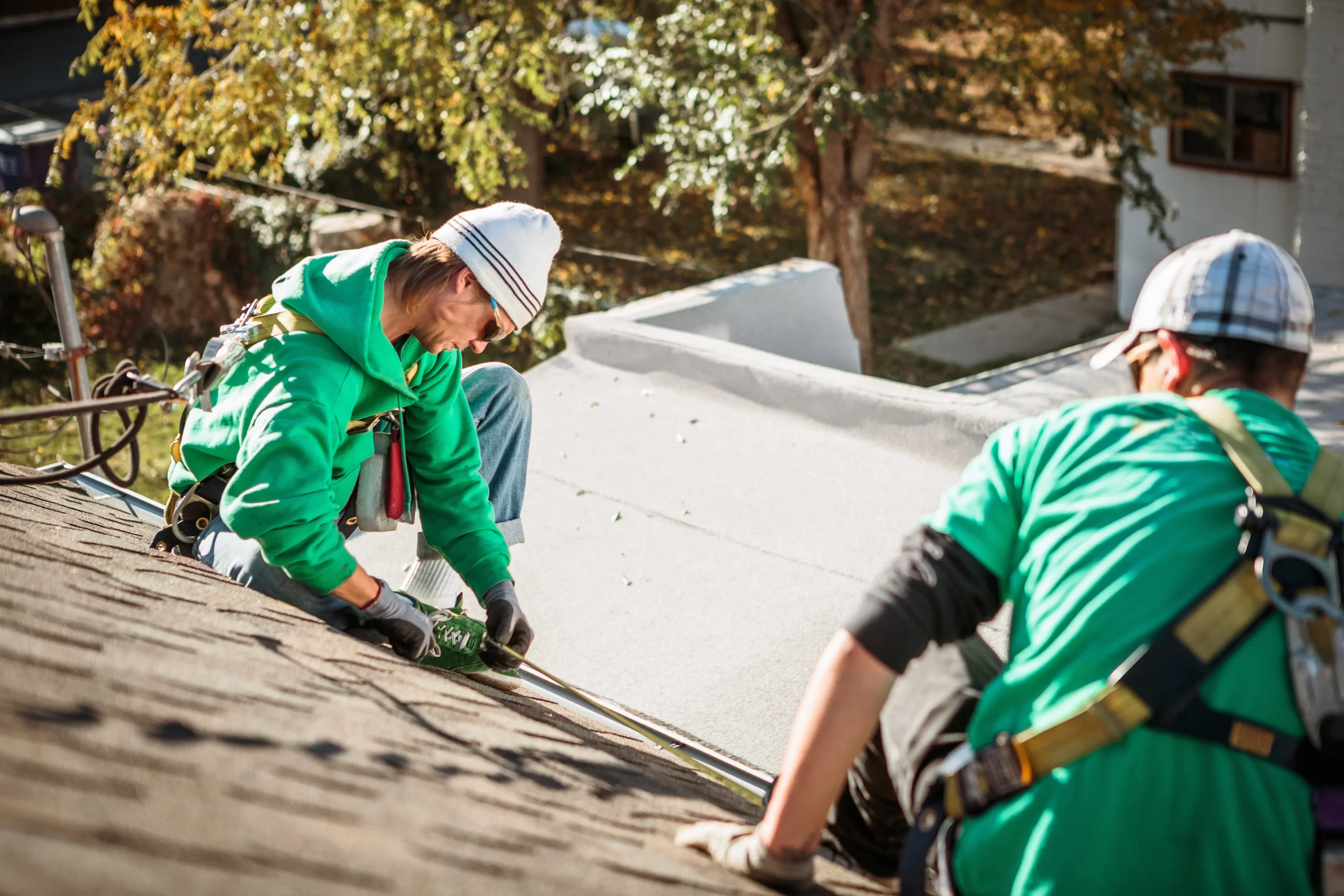
The good news is that you do not have to climb onto your roof to notice many early warning signs. In fact, homeowners should avoid walking on their roofs unless they are trained and properly equipped. Roof surfaces can be slippery, unstable, steep, heat-damaged, or more fragile than they look. A safer first step is to inspect what you can see from the ground.
For Van Nuys homeowners, ground-level roof checks can be especially helpful after strong winds, seasonal rain, intense San Fernando Valley heat, or nearby debris impact. You may not be able to diagnose the full problem from below, but you can spot clues that tell you when it is time to schedule a professional inspection.
If you notice visible roof damage, missing materials, sagging, stains, or loose components, Van Nuys Roof Repair can help evaluate whether your home needs roof repair in Van Nuys before the issue becomes more expensive.
Start With a Safe Viewing Spot
The safest way to check your roof is from the ground, driveway, sidewalk, or yard. Choose a spot where you can see different slopes and roof edges without stepping onto a ladder or climbing onto the roof. If needed, use binoculars or your phone’s zoom feature to get a closer look.
Walk around the home slowly and look at the roof from multiple angles. Some roof damage is only visible from one side. Pay special attention to areas near trees, roof valleys, vents, chimneys, skylights, gutters, and edges.
Do not attempt to inspect during active rain, high wind, or extreme heat. Roof damage checks are best done when the weather is calm and visibility is clear. If you see something concerning, take photos from the ground so you can compare changes later or show them to a roofing professional.
The goal is not to perform a full inspection yourself. The goal is to catch obvious warning signs early.
Look for Missing Shingles or Tiles
Missing roofing materials are one of the easiest signs to spot from the ground. On an asphalt shingle roof, you may see bare patches, uneven lines, or areas where shingles have blown off. On a tile roof, you may notice gaps, missing tiles, or sections that look out of alignment.
Missing materials should not be ignored. Shingles and tiles help protect the layers beneath them. When they are gone, the underlayment and roof deck may be exposed to sun, wind, rain, and debris. Even if the roof is not leaking yet, the exposed area can become vulnerable over time.
In Van Nuys, high heat and wind can make existing roof weaknesses worse. A small missing section may become a larger problem after the next weather event.
If you notice missing materials, schedule an inspection instead of waiting for water to show up inside the home.
Watch for Slipped or Shifted Tiles
Tile roofs are common throughout Southern California, and they can be durable when properly maintained. But tiles can crack, slip, or shift out of place. From the ground, this may look like uneven rows, exposed gaps, crooked pieces, or tiles that appear lower than the surrounding ones.
A slipped tile may not seem urgent, especially if the tile is still sitting on the roof. But once it moves out of position, the underlayment beneath it may be more exposed. Over time, that exposure can lead to moisture problems or hidden deterioration.
Tile issues are also easy to underestimate because the visible tile may not be the only concern. The material underneath the tile plays a major role in keeping water out. Van Nuys Roof Repair explains more about hidden moisture barrier concerns in warning signs your roof underlayment may be failing.
If your tile roof looks uneven or has visible gaps, it is worth having a professional take a closer look.
Check for Curling, Cracking, or Raised Shingles
Asphalt shingles may show damage before they go missing completely. From the ground, you may notice edges that appear curled, corners that lift upward, cracked sections, raised tabs, or uneven areas that no longer lie flat.
Curling and cracking can happen as shingles age, dry out, or experience repeated heat exposure. Strong wind can make raised shingles worse by lifting the edges and weakening the seal. Once shingles no longer sit flat, they may be more likely to tear, detach, or allow moisture beneath the surface.
This kind of damage often starts small. One raised shingle may not seem serious, but it can be a sign that the roof is aging or that a section is becoming vulnerable.
If you see curling or cracked shingles, do not try to flatten them from a ladder. A roofing professional can determine whether the issue is isolated or part of broader wear.
Look for Dark Patches or Uneven Color
Dark patches, streaks, or uneven roof coloring can point to several issues. On some roofs, discoloration may come from dirt, algae, debris, or natural aging. In other cases, dark areas may indicate moisture retention, granule loss, material wear, or areas where the roof is not drying properly.
On asphalt shingles, granule loss can make sections look patchy or darker than surrounding areas. Those granules help protect shingles from sun exposure. When they wear away, shingles may become more vulnerable to heat and weather.
Van Nuys Roof Repair has covered this topic in what causes granule loss on asphalt shingles. If your roof looks unusually worn or uneven in certain areas, it may be worth scheduling an inspection.
Discoloration alone does not always mean the roof is failing, but changes in roof appearance should not be dismissed, especially if they appear alongside missing materials, curling shingles, or interior stains.
Pay Attention to Sagging Areas
A roofline should generally look even and stable. If you notice a section that appears sagging, dipped, wavy, or uneven, that is a serious warning sign. Sagging may point to moisture damage, weakened decking, structural issues, aging materials, or long-term stress on the roof system.
From the ground, sagging may be easier to see when you step back and view the home from across the street or driveway. Look along the ridge, roof slopes, and edges. A roof that appears to bow inward or dip between supports should be inspected promptly.
Do not walk on a roof that appears sagging. A weakened roof surface can be dangerous. A professional can evaluate whether the issue is related to the roof deck, framing, moisture intrusion, or another structural concern.
If sagging appears with ceiling stains or active leaks, the situation should be treated more urgently.
Inspect Roof Edges and Fascia
Roof edges are vulnerable because wind can catch under materials and pull them loose. From the ground, look for lifted edges, missing drip edge, damaged fascia, loose trim, exposed wood, or sections where the roof perimeter looks uneven.
Fascia boards and roof edges can also show signs of water damage. Peeling paint, staining, rotting wood, or sagging gutters may indicate that water is not draining correctly or that roof edge protection is failing.
These edge problems may seem minor, but they can create entry points for water and pests. They can also worsen during wind events. Van Nuys Roof Repair explains how wind can affect roofing materials in how wind can damage a roof even without heavy rain.
If the roof edge looks loose or damaged, schedule a repair evaluation before the next storm.
Look at Gutters and Downspouts
Gutters can reveal roof problems even when the roof surface is hard to see. From the ground, check whether gutters are sagging, pulling away from the home, overflowing, dented, clogged, or filled with roofing debris.
You may also notice shingle granules collecting near downspouts. A small amount of granule loss can happen over time, but heavy accumulation may indicate that shingles are wearing down.
Gutters matter because they help move water away from the roof and home. When they are clogged or damaged, water can back up, overflow, or collect near vulnerable roof edges.
If your gutters are full of leaves, debris, granules, or broken roofing material, the roof may need attention. Drainage issues can contribute to leaks, fascia damage, and water intrusion.
Check Around Chimneys, Vents, and Skylights
Roof penetrations are common leak points. Chimneys, vents, skylights, exhaust pipes, and roof-mounted equipment all require flashing or sealing to keep water out. From the ground, you may not see every detail, but you can still look for obvious problems.
Watch for loose flashing, gaps, rust, cracked sealant, missing pieces, or materials that look lifted around these areas. Skylights may show staining around the frame or signs of cracking. Vents may appear crooked or damaged after wind.
Because these areas interrupt the roof surface, even small defects can allow water inside. If you see staining on interior ceilings near a skylight, chimney, or wall transition, the roof penetration may be involved.
A roofing professional can inspect these vulnerable areas safely and determine whether flashing repair is needed.
Look for Debris on the Roof
Branches, leaves, palm fronds, and wind-blown debris can damage roofing materials or trap moisture. A small branch may crack a tile. Heavy debris may scrape shingles. Piles of leaves can collect in valleys and slow drainage when rain arrives.
From the ground, check whether debris is sitting in roof valleys, near gutters, around drains, or against roof transitions. If you have trees close to the home, inspect after wind events.
Debris is not always harmless. It can hide damage, block water flow, and keep moisture sitting on areas of the roof longer than it should. This is especially important before seasonal rain.
Van Nuys Roof Repair’s guide on preparing your roof for storm season explains why clearing roof and drainage areas before wet weather can help reduce the risk of leaks.
Watch for Interior Clues Too
Ground-level roof checks should also include the inside of the home. Some roof damage is not visible from outside but may show up as interior warning signs.
Look for ceiling water stains, bubbling paint, peeling drywall, musty odors, damp attic insulation, or discoloration near exterior walls. A stain after rain may indicate that water has entered through the roof, flashing, vents, or another upper-home source.
Even if the stain is small, it should be documented and inspected. Van Nuys Roof Repair’s article on what to do when you notice a ceiling water stain explains why homeowners should avoid painting over the stain before identifying the source.
Interior signs are often the reason homeowners discover roof damage that was not obvious from below.
Compare Photos Over Time
One helpful habit is taking occasional photos of your roof from the same ground-level spots. This makes it easier to notice changes. A tile that slowly shifts, a shingle area that becomes patchy, or a gutter that begins sagging may be easier to identify when compared with older photos.
Take photos after strong winds, before rainy season, after nearby tree work, or anytime something looks different. You do not need professional photos. Clear phone pictures can help you track changes and show a contractor what you noticed.
This is especially useful for older roofs, rental properties, commercial buildings, or homes with roof sections that are difficult to see.
Know When to Call a Professional
A ground-level check can help you spot warning signs, but it cannot replace a professional inspection. If you notice missing materials, shifted tiles, curling shingles, sagging, debris impact, damaged gutters, loose flashing, interior stains, or repeated roof issues, it is time to call a roofing professional.
A professional inspection can identify whether the damage is cosmetic, isolated, or part of a larger roofing problem. The contractor can also determine whether your home needs targeted repair, more extensive work, or, in some cases, roof replacement in Van Nuys.
If you are unsure what to ask before scheduling work, Van Nuys Roof Repair’s guide on what questions to ask before hiring a roof repair company can help you make a more informed decision.
Final Thoughts
You do not need to climb onto your roof to notice many signs of roof damage. Missing shingles, slipped tiles, curling materials, dark patches, sagging areas, damaged roof edges, gutter problems, debris buildup, flashing concerns, and interior stains can often be spotted from the ground.
For Van Nuys homeowners, checking your roof after wind, heat, debris impact, or seasonal rain can help catch problems early. The sooner damage is identified, the easier it may be to prevent leaks, underlayment problems, interior water stains, and more expensive repairs.
If something looks different or concerning, do not wait for the next storm to confirm the problem. Contact Van Nuys Roof Repair for an inspection and professional guidance on the right next step.