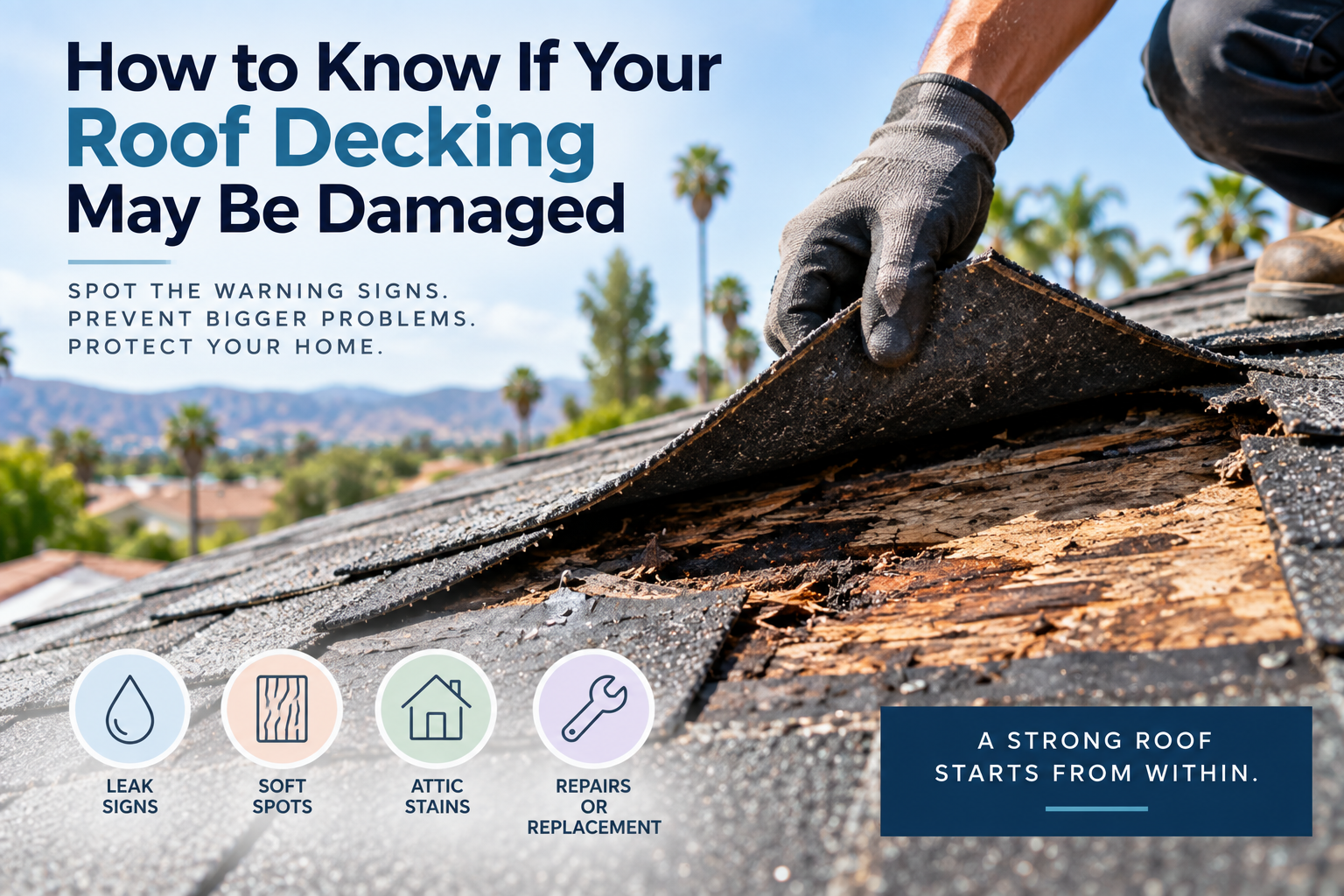
Asphalt shingles are designed to protect your home from sun, wind, rain, and everyday exposure. But over time, shingles can start to curl, crack, lift, or lose their flat, sealed appearance. When that happens, the roof may become more vulnerable to leaks, wind damage, heat exposure, and interior moisture problems.
For Van Nuys homeowners, curling or cracked shingles are especially important because local roofs deal with strong Southern California sun, heat, dry conditions, seasonal rain, and occasional wind. Even if the roof is not leaking yet, visible shingle damage can be an early warning sign that the roofing system needs attention.
A curled shingle may expose the edge of the roof to wind. A cracked shingle may allow moisture to reach the layers below. A lifted shingle may break its seal and become easier to tear away during gusty weather. These problems often start small, but they can spread if they are ignored.
If you notice shingles that look raised, brittle, cracked, curled, or uneven, scheduling roof repair in Van Nuys can help determine whether the damage is isolated or part of a larger roofing issue.
Heat and Sun Exposure
One of the biggest causes of curling or cracked shingles in Van Nuys is long-term heat and sun exposure. Asphalt shingles sit in direct sunlight for hours each day. Over time, UV rays and heat can dry out the materials, weaken the asphalt, and make shingles more brittle.
When shingles lose flexibility, they may begin to curl at the edges or crack across the surface. A shingle that used to lie flat may lift slightly, cup inward, or turn up at the corners. This can create openings where wind and moisture can work their way underneath.
Heat exposure can also make existing roof problems worse. If shingles are already aging, poorly ventilated, or losing granules, the sun can speed up deterioration. Van Nuys Roof Repair has covered this regional issue in how San Fernando Valley heat damages roofs in Van Nuys.
Heat-related damage does not always cause immediate leaks, but it can weaken the roof’s ability to protect the home when rainy weather returns.
Normal Roof Aging
Every roof ages. Even well-installed asphalt shingles eventually wear down from weather, temperature changes, sunlight, and time. As shingles age, they may become dry, stiff, and less able to expand and contract properly.
Curling and cracking are common signs that shingles are losing their protective strength. Older shingles may also shed granules, fade in color, or appear uneven. If several areas of the roof show curling or cracking, the problem may not be isolated to one section.
Age matters because repairs are more effective when the surrounding roofing materials are still in good condition. If only one or two shingles are damaged, a targeted repair may be possible. If curling and cracking are widespread, continued patching may not provide reliable long-term protection.
If your roof is older and showing multiple signs of wear, it may be worth comparing repair options with roof replacement in Van Nuys.
Poor Attic Ventilation
Your attic can affect your roof more than many homeowners realize. If attic ventilation is poor, heat can build up beneath the roof deck. That trapped heat can contribute to shingle deterioration from below while the sun heats the shingles from above.
When shingles are exposed to heat from both sides, they may age faster. Poor ventilation can also contribute to moisture concerns inside the attic, which may affect the roof deck, insulation, and overall roof performance.
Signs that attic or roof conditions may be affecting the home include uneven indoor temperatures, musty attic odors, damp insulation, high cooling strain, or visible roof wear. Van Nuys Roof Repair explains more about attic-related concerns in can roof damage affect your attic.
Ventilation problems are not always obvious from the ground. A professional inspection can help determine whether curling shingles are connected to normal aging, heat exposure, ventilation issues, or another roofing concern.
Granule Loss
Asphalt shingles are covered with granules that help protect them from sunlight and weather. When those granules wear away, the shingle surface becomes more exposed. This can make the shingle age faster and become more vulnerable to curling, cracking, and brittleness.
Granule loss may show up as bald patches, uneven color, shiny spots, or heavy granules collecting in gutters and downspouts. A few loose granules can be normal over time, but significant granule loss can indicate that the shingles are wearing down.
Once shingles lose their protective granules, the asphalt layer underneath can dry out more quickly. That can lead to cracking across the shingle surface or curling along the edges.
Van Nuys Roof Repair’s article on what causes granule loss on asphalt shingles explains why this issue should be taken seriously, especially on older roofs.
Wind Damage
Wind can cause shingles to lift, bend, crease, or break their seal. Once the adhesive seal under a shingle is damaged, the shingle may no longer lie flat. It can continue lifting during future wind events, eventually curling, cracking, or tearing away.
Wind damage may not always be obvious immediately. A shingle may still be attached but raised at the edge. From the ground, the roof may look slightly uneven or rippled in certain areas. If the lifted shingle cracks, moisture may reach the underlayment or roof deck below.
This is especially concerning because wind damage can lead to delayed leaks. A windy day may weaken the roof, and the next rain may reveal the problem through a ceiling stain or attic moisture.
Van Nuys Roof Repair explains this issue further in how wind can damage a roof even without heavy rain.
Improper Installation
Shingles can curl or crack prematurely if they were not installed correctly. Installation issues may include improper nailing, poor alignment, inadequate ventilation planning, missing starter strips, incorrect underlayment use, or shingles installed over an unsuitable surface.
If nails are placed incorrectly, shingles may not stay secure during wind. If shingles are not sealed properly, edges may lift. If the roof surface beneath the shingles is uneven or damaged, shingles may not lie flat. Over time, these problems can lead to curling, cracking, leaks, and shortened roof life.
Improper installation can be frustrating because the roof may appear fine at first. Problems often show up later, after heat, wind, and seasonal rain expose weak spots.
If your roof is newer but shingles are already curling or cracking, it is worth having the installation and roof system evaluated by a professional.
Moisture Beneath the Shingles
Shingles are designed to shed water from above, but moisture trapped beneath them can create serious problems. Moisture may come from leaks, poor ventilation, damaged underlayment, roof deck issues, or previous repairs that did not fully address the source.
When moisture affects the layers beneath the shingles, the roof surface may begin to warp, lift, or deteriorate. Shingles may curl because the underlying materials are no longer stable. Cracks may appear as the materials expand, contract, or weaken.
Moisture problems may also show up inside the home as ceiling stains, damp attic insulation, musty odors, or bubbling paint. If you notice any of these signs, do not assume the issue is only cosmetic.
Van Nuys Roof Repair’s guide on what to do when you notice a ceiling water stain explains why moisture signs should be investigated before interior repairs are made.
Damaged or Failing Underlayment
Underlayment sits beneath the shingles and helps protect the roof deck if moisture gets past the surface materials. If the underlayment is failing, torn, brittle, or improperly installed, shingles may not have the support and protection they need.
Failing underlayment can contribute to leaks, moisture intrusion, and roof surface problems. While underlayment is hidden, warning signs may include recurring leaks, ceiling stains, attic moisture, or roof damage that seems to keep returning after repairs.
In some cases, shingles may curl or crack because the roofing system beneath them is deteriorating. Repairing one visible shingle may not solve the problem if the layers underneath are compromised.
Van Nuys Roof Repair explains this hidden issue in warning signs your roof underlayment may be failing.
Tree Debris and Physical Damage
Branches, palm fronds, and wind-blown debris can damage shingles. Debris may scrape granules away, crack shingle surfaces, lift edges, or trap moisture. If branches regularly rub against the roof, they can wear down shingles over time.
Debris can also collect in roof valleys, gutters, or low areas. When that happens, water may drain more slowly during rain. Moisture sitting near shingles can increase wear and create conditions that lead to curling or cracking.
After strong winds, it is a good idea to check the roof from the ground. Look for branches, leaves, missing shingles, raised sections, or debris in gutters. Do not climb onto the roof to remove debris yourself if it is unsafe or if you are unsure how to do it without damaging the roofing material.
Van Nuys Roof Repair’s article on how to spot roof damage from the ground offers a safer way to look for visible warning signs.
Poor Drainage
Roof drainage problems can also contribute to shingle damage. Gutters, downspouts, valleys, and roof edges help move water away from the roof. If those areas become clogged or damaged, water may back up or sit where it should not.
Standing or slow-moving water can stress shingles and surrounding materials. It may also contribute to moisture intrusion near roof edges, valleys, or flashing. Over time, repeated moisture exposure can weaken shingles and make them more likely to curl, crack, or deteriorate.
Poor drainage can be especially concerning before storm season. Leaves, debris, and roofing granules can collect in gutters and valleys, making water flow less predictable when rain arrives.
Van Nuys Roof Repair’s guide on prepare your roof for storm season explains why drainage and roof readiness matter before wet weather.
Repeated Temporary Repairs
A roof that has been patched repeatedly may develop uneven wear. Temporary sealants, mismatched materials, or surface-level repairs can sometimes hide a problem without solving it. If the underlying cause remains, shingles around the repaired area may continue to curl, crack, or deteriorate.
This is common when homeowners try to stop a leak without identifying the source. The visible damage may not be where water is actually entering. A quick patch may buy time, but it may not restore the roofing system properly.
If the same area keeps having problems, a professional inspection can help determine whether the shingles, flashing, underlayment, roof deck, or drainage system is involved.
Repeated shingle issues may point to a bigger roofing problem that needs more than another patch.
How to Tell If Curling or Cracking Is Serious
Not every curled or cracked shingle means the entire roof is failing. The seriousness depends on the number of shingles affected, the age of the roof, whether leaks are present, and whether the damage is isolated or widespread.
A few damaged shingles may be repairable. Widespread curling, heavy cracking, missing granules, recurring leaks, sagging areas, or attic moisture may suggest a larger issue. If the roof is older, repairs may become less effective over time.
Homeowners should also watch for interior warning signs. Ceiling stains, musty odors, damp insulation, or bubbling paint may indicate that shingle damage has already allowed moisture into the home.
If you are preparing to sell your home, curled or cracked shingles should be addressed before listing. Van Nuys Roof Repair explains why in why roof repairs should be handled before listing a home for sale.
When to Call a Roofing Professional
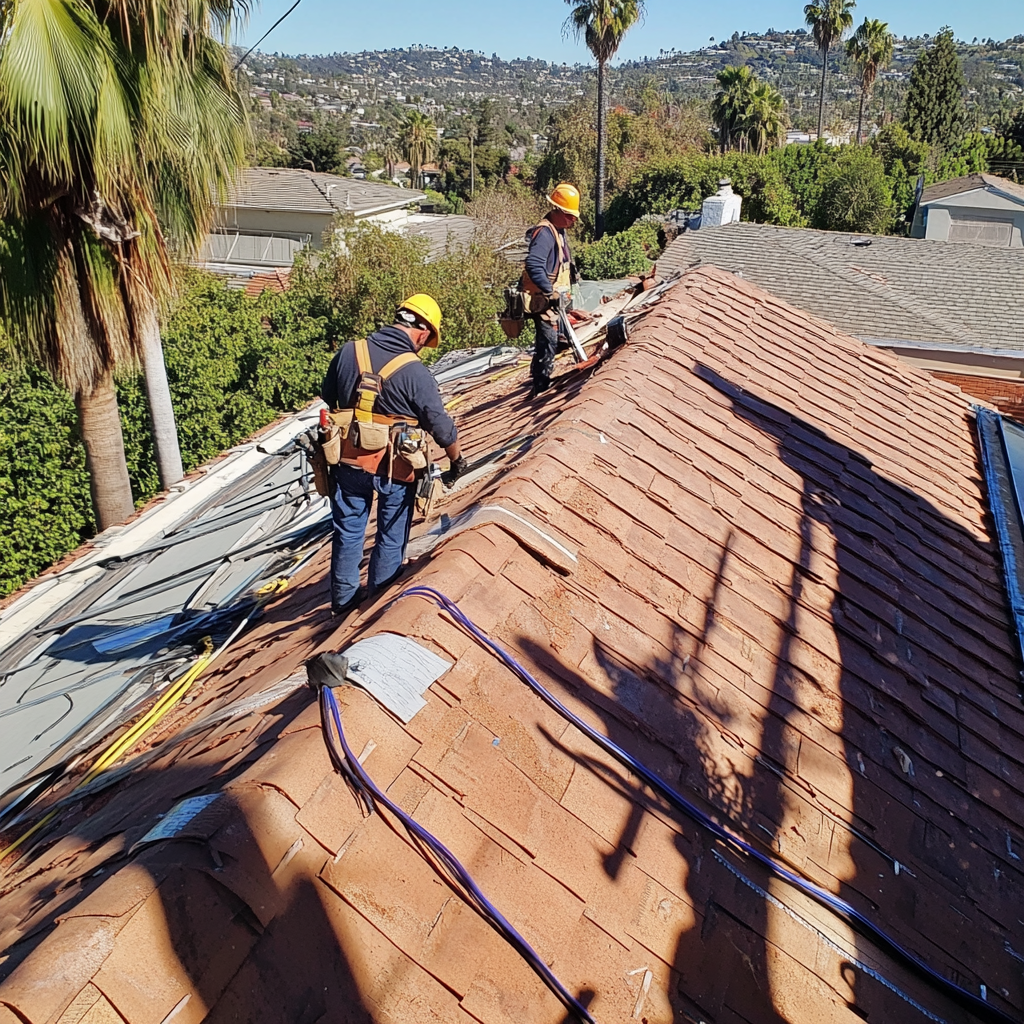
You should call a roofing professional if you see curled shingles, cracked shingles, missing materials, exposed underlayment, roof debris, sagging, recurring leaks, or ceiling stains. You should also schedule an inspection after strong winds if the roof looks uneven or if shingles appear lifted.
A professional can inspect the roof surface, flashing, underlayment, ventilation, drainage, and attic signs to determine the cause. The right solution may be a targeted repair, broader shingle replacement, drainage correction, ventilation improvement, or, in some cases, full roof replacement.
If you are unsure what your roof needs, contact Van Nuys Roof Repair to schedule an inspection and get clear guidance.
Final Thoughts
Roof shingles can curl or crack for many reasons, including heat exposure, age, poor ventilation, granule loss, wind damage, improper installation, trapped moisture, failing underlayment, debris impact, and drainage problems. In Van Nuys, sun and heat can speed up these issues, especially on older roofs.
Curling and cracking may look like small surface problems, but they can leave the roof more vulnerable to leaks, wind damage, and moisture intrusion. The sooner the issue is inspected, the easier it may be to determine whether the damage is isolated or part of a larger roofing concern.
If your shingles are curling, cracking, lifting, or showing visible wear, Van Nuys Roof Repair can inspect the roof and recommend the right next step to protect your home.