Most homeowners think about shingles, tiles, leaks, and gutters when they think about roof problems. But underneath the visible roofing material is one of the most important parts of the roof system: the roof decking.
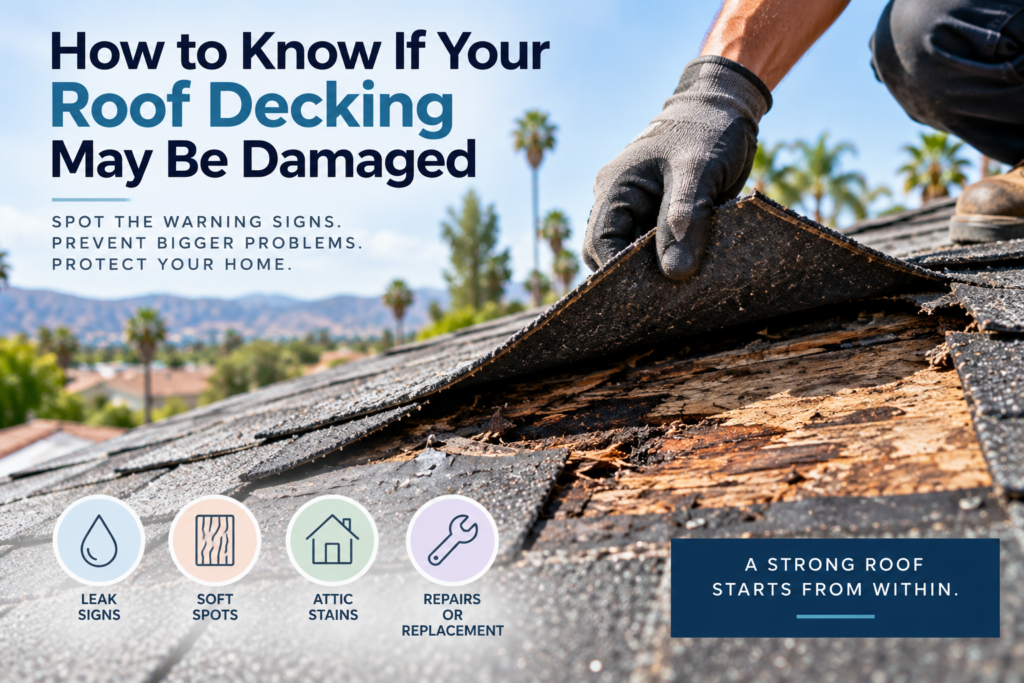
Roof decking, sometimes called sheathing, is the layer of wood or structural material attached to the roof framing. It supports the roofing materials above it and helps create the solid surface your roof system depends on. If the decking becomes damaged, soft, rotted, warped, or weakened, the problem can affect much more than the top layer of the roof.
The challenge is that roof decking damage is not always visible from the ground. You may not notice it until there is a leak, sagging section, soft spot, attic stain, or repeated roof repair issue. In some cases, decking damage is discovered during a roof replacement when the old roofing materials are removed.
For homeowners in Van Nuys and the San Fernando Valley, roof decking can be affected by leaks, heat, poor ventilation, aging materials, damaged underlayment, wind, and delayed repairs. If you suspect the structure beneath your roof surface may be compromised, Van Nuys Roof Repair can inspect the roof and help determine whether repair or replacement is the better next step.
What Is Roof Decking?
Roof decking is the base layer that sits between the roof framing and the visible roofing materials. On many homes, it is made from plywood or oriented strand board. Shingles, tiles, underlayment, flashing, and other roofing components are installed over it.
The decking matters because it provides support. If it is solid, dry, and properly attached, the roof system has a stable foundation. If it is weakened by moisture, rot, heat stress, or age, the roofing materials above it may not perform as intended.
A damaged shingle can usually be replaced. Damaged flashing may be repaired. But damaged decking can be more serious because it affects what the rest of the roof is attached to.
This is why roof problems should be checked early. A small leak that sits too long can spread into the decking and turn a simple repair into a larger project.
Why Roof Decking Gets Damaged
Roof decking is usually damaged by moisture. Water may enter through cracked shingles, missing tiles, failing flashing, worn underlayment, roof valleys, vents, flat roof areas, or old repairs. Once water reaches the decking, the wood can absorb moisture and begin to soften, swell, stain, or rot.
Heat can also play a role. In Van Nuys, long periods of sun and high temperatures can dry out roofing materials, crack sealants, weaken shingles, and make small openings more likely. Once the top roof layer is compromised, the decking may become more vulnerable when rain finally arrives.
Poor attic ventilation can also contribute to decking problems. Trapped heat and moisture in the attic can affect the underside of the roof deck over time. If attic conditions are humid, poorly ventilated, or affected by leaks, the decking may show stains, warping, or deterioration.
Van Nuys Roof Repair’s article on can roof damage affect your attic explains how roof problems and attic conditions can overlap.
Sagging Areas Are a Major Warning Sign
One of the biggest warning signs of possible roof decking damage is sagging. A roof should have a consistent shape. If you notice a dip, wave, low area, or uneven section, the decking underneath may be weakened.
Sagging can happen when decking has absorbed moisture and lost strength. It can also be related to structural issues, framing problems, long-term leaks, or heavy loads. Either way, it should be inspected.
From the ground, look at the roofline from different angles. Does one area look lower than the rest? Does the roof seem wavy? Is there a dip near a valley, chimney, flat roof section, or old leak area?
Do not climb onto a sagging roof. If the decking is soft or weakened, it may not be safe to walk on. A professional roofer can inspect the area safely and determine whether the issue is isolated or part of a larger roof problem.
Soft Spots Can Mean Moisture Damage
Soft spots are another sign that the roof decking may be damaged. Homeowners usually cannot feel soft spots unless they walk on the roof, which is not recommended. However, roofers may notice areas that feel spongy, unstable, or weak during inspection.
Soft decking often points to moisture damage. Water may have entered through a leak and soaked into the wood. Over time, the decking can lose firmness and become unsafe.
If a roofer mentions soft spots, take it seriously. Even if the shingles above the area look mostly intact, the structure beneath them may need repair.
Soft spots are especially concerning around chimneys, valleys, vents, skylights, roof edges, and areas where past leaks occurred. These are common places for water to get under the roof surface.
Repeated Leaks May Point to Decking Issues
A roof leak that keeps coming back in the same area may be more than a simple shingle problem. Repeated leaks can indicate that water has affected the underlayment, flashing, decking, or surrounding materials.
For example, if a small patch is repaired but the leak returns during the next rain, the original repair may not have addressed the full issue. Water may be traveling under the roofing materials or entering through a nearby transition. If decking has softened or warped, it may also make future repairs less reliable.
Van Nuys Roof Repair’s article on why small roof leaks can become expensive repairs explains why early leak repair matters. Once water reaches the decking, costs can rise because the damaged wood may need to be removed and replaced.
Attic Stains Can Reveal Decking Trouble
The attic is often where roof decking damage becomes visible. If you can safely access your attic, look for dark stains on the underside of the roof deck, damp wood, water trails, rusted nails, moldy odors, or insulation that looks wet or compressed.
Stains on the underside of the decking may mean water has been entering from above. A fresh leak may show damp spots, while older leaks may show dark brown stains or repeated water marks.
If you see daylight through the roof boards, active dripping, or wet insulation after rain, the issue should be checked quickly.
Van Nuys Roof Repair’s article on what to do when you notice a ceiling water stain is also relevant because ceiling stains often begin with roof or attic moisture that has already moved through the system.
Damaged Underlayment Can Expose the Decking
Underlayment sits above the decking and beneath the visible roof covering. Its job is to provide an extra layer of protection if water gets past shingles or tiles. When underlayment fails, the decking becomes more vulnerable.
Warning signs of underlayment problems may include repeated leaks, brittle or exposed material, missing roof covering, water stains, or roof damage that seems worse than the surface suggests.
In hot climates like Van Nuys, underlayment can be affected by age, heat, UV exposure if exposed, poor installation, and moisture intrusion. If the underlayment has failed, water may reach the decking more easily.
Van Nuys Roof Repair’s guide on warning signs your roof underlayment may be failing explains why the layer beneath the visible roof material is so important.
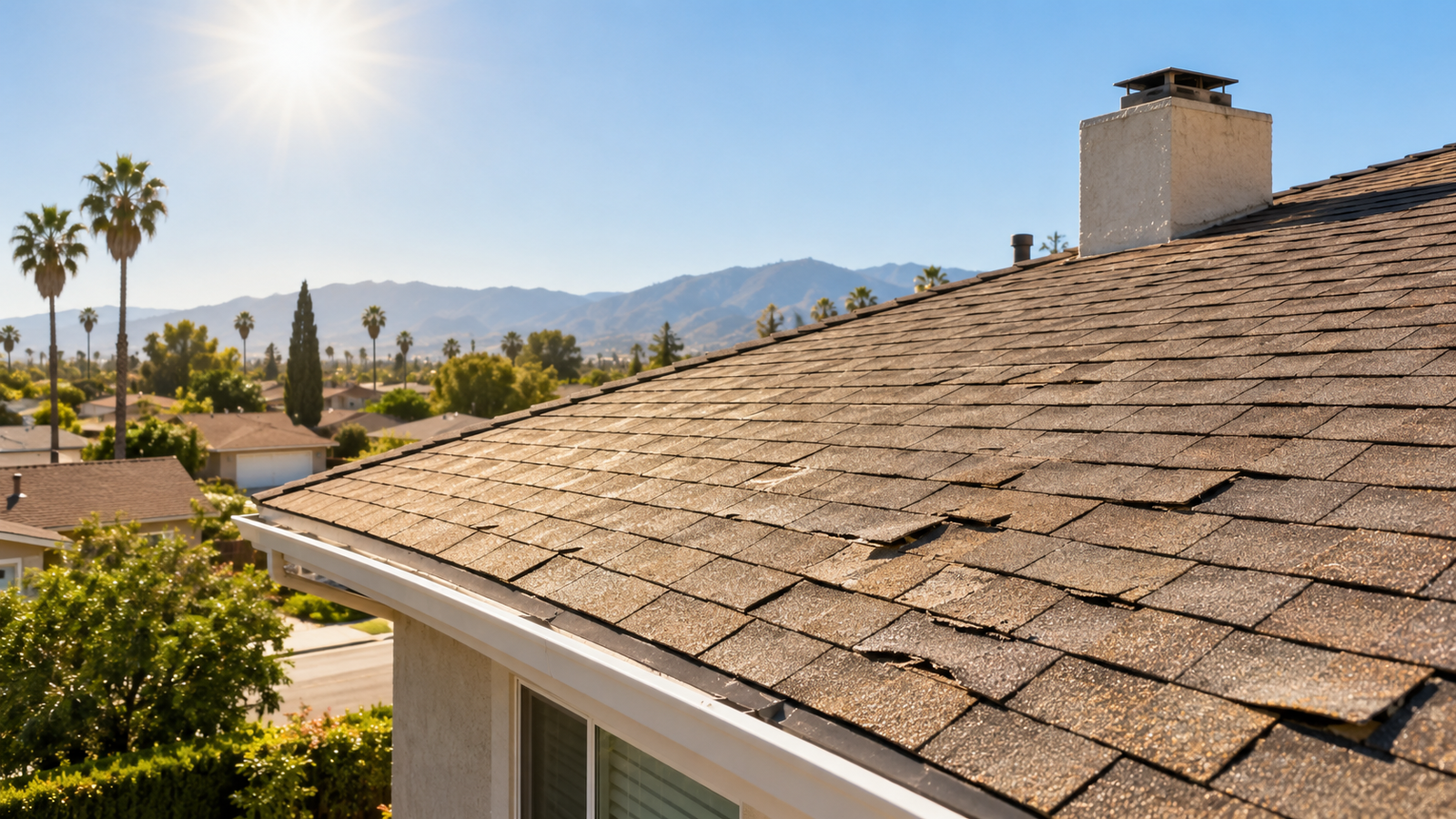
Curled or Cracked Shingles Can Lead to Decking Damage
Damaged shingles do not automatically mean the decking is damaged, but they can create the conditions for decking problems. Curled, cracked, missing, or brittle shingles allow water and wind to reach areas that should be protected.
If shingle damage is caught early, the repair may be limited. If it is ignored through multiple rains or seasons, moisture can reach the underlayment and eventually the decking.
This is especially important after heat waves. Intense sun can make shingles more brittle, and damaged shingles may no longer shed water correctly when rain arrives.
Van Nuys Roof Repair’s articles on what causes roof shingles to curl or crack and how to know if your roof needs repair after a heat wave are helpful related reads.
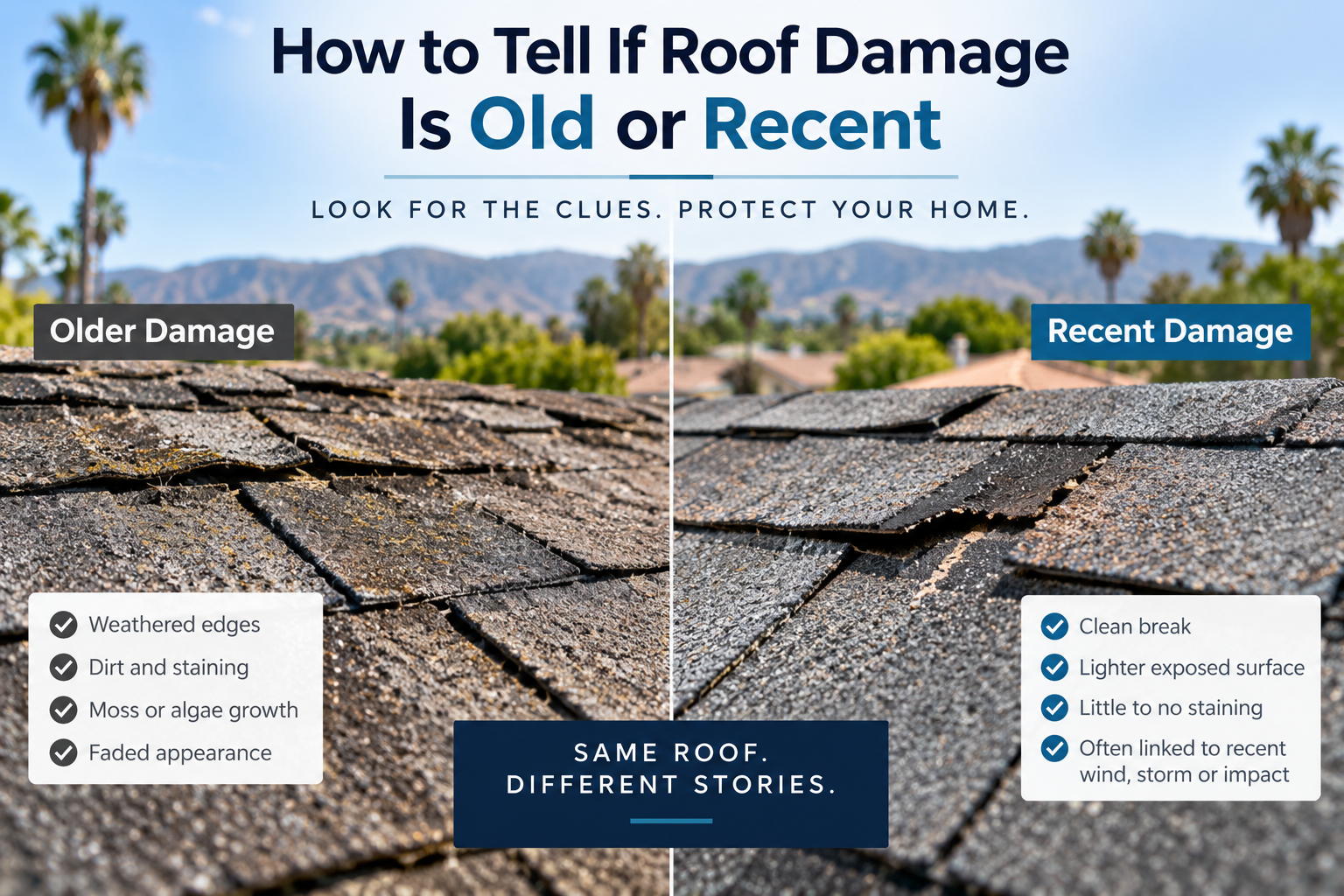
Roof Damage That Looks Old May Have Reached the Decking
The longer roof damage sits, the more likely it is to affect deeper layers. A fresh lifted shingle or cracked tile may not have reached the decking yet. But damage that has been exposed for months may have allowed repeated moisture entry.
Old damage may show staining, dirt buildup, brittle edges, faded materials, exposed underlayment, or past patchwork. If water has been entering slowly over time, the decking may have softened or stained before the homeowner notices an interior leak.
Van Nuys Roof Repair’s article on how to tell if roof damage is old or recent explains why timing matters when deciding how serious a roof issue may be.
Roof Decking Damage Can Affect Interior Ceilings
Once water passes through the roof surface, underlayment, and decking, it can move into the attic and eventually reach the ceiling. By the time a stain appears indoors, the water may have already affected multiple layers.
Ceiling stains, bubbling paint, peeling drywall, musty smells, or damp insulation may all point to roof moisture. The visible stain may be small, but the affected area above it may be larger.
Do not simply paint over a ceiling stain. If the roof decking or attic insulation is wet, covering the stain will not solve the problem. The source of the leak needs to be identified and repaired first.
Commercial Roof Decking Can Be Damaged Too
Commercial roofing systems can also develop decking problems, especially on flat or low-slope roofs. Ponding water, membrane cracks, open seams, HVAC penetrations, clogged drains, and repeated leaks can all allow moisture to reach the roof deck.
For business owners, decking damage can create interior stains, tenant complaints, inventory damage, safety concerns, and operational disruption. Commercial roof problems should be addressed before they spread.
Van Nuys Roof Repair’s page on commercial roofing in Van Nuys and article on what business owners should know about commercial roof repairs are useful for property owners who need to protect their building.
Can Damaged Decking Be Repaired?
Yes, damaged roof decking can often be repaired, but the solution depends on the extent of the damage. If only a small section is rotted or soft, that area may be removed and replaced during roof repair. If there is widespread damage, repeated leaks, or an older roof system, replacement may be more practical.
The important thing is that damaged decking should not be ignored. Roofing materials need a solid surface underneath. Installing new shingles or tiles over weak decking can lead to future problems.
During a roof replacement, damaged decking is often discovered after the old materials are removed. This is one reason roof replacement projects may include decking allowances or additional repair costs if hidden damage is found.
If your roof has widespread moisture damage, roof replacement in Van Nuys may be the better long-term option.
Repair vs. Replacement
A targeted repair may be enough if the decking damage is limited to one area, the roof is otherwise in good condition, and the source of the leak can be corrected. This might happen around a vent, flashing area, roof valley, or small damaged section.
Replacement may make more sense if the roof is older, has widespread shingle damage, failing underlayment, repeated leaks, large areas of soft decking, or multiple problem zones.
Van Nuys Roof Repair can inspect the roof, attic, and visible damage to determine whether roof repair in Van Nuys is enough or whether replacement should be considered.
When to Schedule an Inspection
You should schedule an inspection if you notice sagging roof areas, repeated leaks, ceiling stains, attic stains, soft spots mentioned by a roofer, curled shingles, missing materials, exposed underlayment, musty odors, or roof damage that has been present for a while.
You should also schedule an inspection after a major heat wave, wind event, or leak emergency if you are unsure whether the damage reached the decking.
Avoid walking on the roof yourself. If the decking is damaged, the surface may be unsafe. A professional roofer has the training and equipment to inspect the roof more safely.
Final Thoughts
Roof decking damage can be serious because it affects the structure beneath your shingles, tiles, underlayment, and flashing. Warning signs may include sagging areas, soft spots, repeated leaks, attic stains, ceiling stains, damaged underlayment, curled shingles, old roof damage, and signs of moisture inside the home.
In Van Nuys, heat, sun exposure, wind, and delayed leak repairs can all contribute to roof-system damage. The sooner problems are checked, the easier they may be to repair.
If you suspect your roof decking may be damaged, contact Van Nuys Roof Repair for an inspection. A professional evaluation can help determine whether the issue is limited, whether repairs are possible, or whether replacement is the safer long-term choice.