A roof leak is never something homeowners want to find, but not every leak creates the same level of urgency. Some leaks start as a small stain on the ceiling after heavy rain. Others show up as active dripping, sagging drywall, soaked insulation, water near electrical fixtures, or water pouring into the home during a storm.
So, when is a roof leak considered an emergency?
A roof leak becomes an emergency when it creates an immediate risk to your home, safety, structure, electrical system, or interior belongings. Active water intrusion, ceiling sagging, widespread staining, attic saturation, storm damage, or leaks near electrical components should be handled quickly. Even if the leak looks small, it may be more serious than it appears if water has already moved through the roof, underlayment, decking, insulation, and drywall.
For homeowners in Van Nuys and the San Fernando Valley, roof leaks can be tricky because long dry stretches may hide roof damage until the next rain. Heat, wind, aging materials, cracked shingles, damaged flashing, and worn underlayment can all create weak points that suddenly become obvious during wet weather.
If water is actively entering your home, contact Van Nuys Roof Repair for help identifying the source and preventing further damage.
Active Dripping Is an Emergency Warning Sign
If water is actively dripping from your ceiling, light fixture, vent, wall, or attic access point, treat it seriously. Active dripping means water has already moved through several layers of the roof system and entered the interior of the home.
Even if the drip seems slow, there may be more water trapped above the ceiling. Drywall, insulation, wood framing, and attic materials can absorb moisture before the leak becomes visible inside. By the time you see dripping, the leak may have been developing for a while.
Place a bucket or container under the drip, move furniture and valuables away, and avoid touching wet electrical fixtures or switches. If the leak is near electricity, shut off power to the affected area if it is safe to do so and call a professional.
Do not climb onto the roof during rain. Wet roofing materials can be slippery, and damaged areas may not support weight safely.
A Sagging Ceiling Needs Immediate Attention
A sagging ceiling is one of the most urgent signs of a roof leak. If drywall begins to bulge, bow, bubble, or sag, water may be collecting above it. That ceiling material can collapse suddenly if the weight becomes too much.
If you notice sagging, keep people and pets away from the area. Move valuables if you can do so safely, but do not stand directly under the bulge. Do not poke the ceiling unless you know how to do so safely and have taken precautions to control the water release. In many cases, it is better to call for help quickly rather than risk injury or interior damage.
A sagging ceiling usually means the leak is not just a surface issue. Water may have saturated insulation, drywall, or framing. Van Nuys Roof Repair’s article on what to do when you notice a ceiling water stain explains why interior signs should not be ignored, even when the roof damage is not visible from the ground.
Water Near Electrical Fixtures Is Dangerous
A roof leak becomes an emergency when water is near electrical wiring, outlets, ceiling fans, recessed lights, breaker panels, or light fixtures. Water and electricity are a dangerous combination.
If you see water dripping through a light fixture or around an electrical component, do not touch the fixture, switch, or outlet. Keep people away from the area and shut off power to that section of the home if it is safe to do so. If you are unsure, contact an electrician or emergency professional.
The roof leak itself still needs to be repaired, but electrical safety comes first. Once the immediate hazard is controlled, a roofing professional can inspect the roof, attic, flashing, vents, and surrounding materials to identify how water entered.
Storm Damage Can Make a Leak Urgent
If a leak appears during or after strong wind, heavy rain, or flying debris, it may be connected to storm damage. Missing shingles, cracked tiles, lifted roof edges, damaged flashing, punctures, and exposed underlayment can all allow water to enter quickly.
Storm damage can be difficult to evaluate from the ground, especially at night or during active rain. You may only see the interior leak at first. Once the weather clears, look from a safe location for missing shingles, broken pieces, debris impact, lifted edges, or anything that looks different from before.
Van Nuys Roof Repair has covered how weather can create damage in how wind can damage a roof even without heavy rain and prepare your roof for storm season. If the leak began after a weather event, schedule an inspection before the next storm makes the problem worse.
A Leak That Reaches the Attic Should Be Checked Quickly
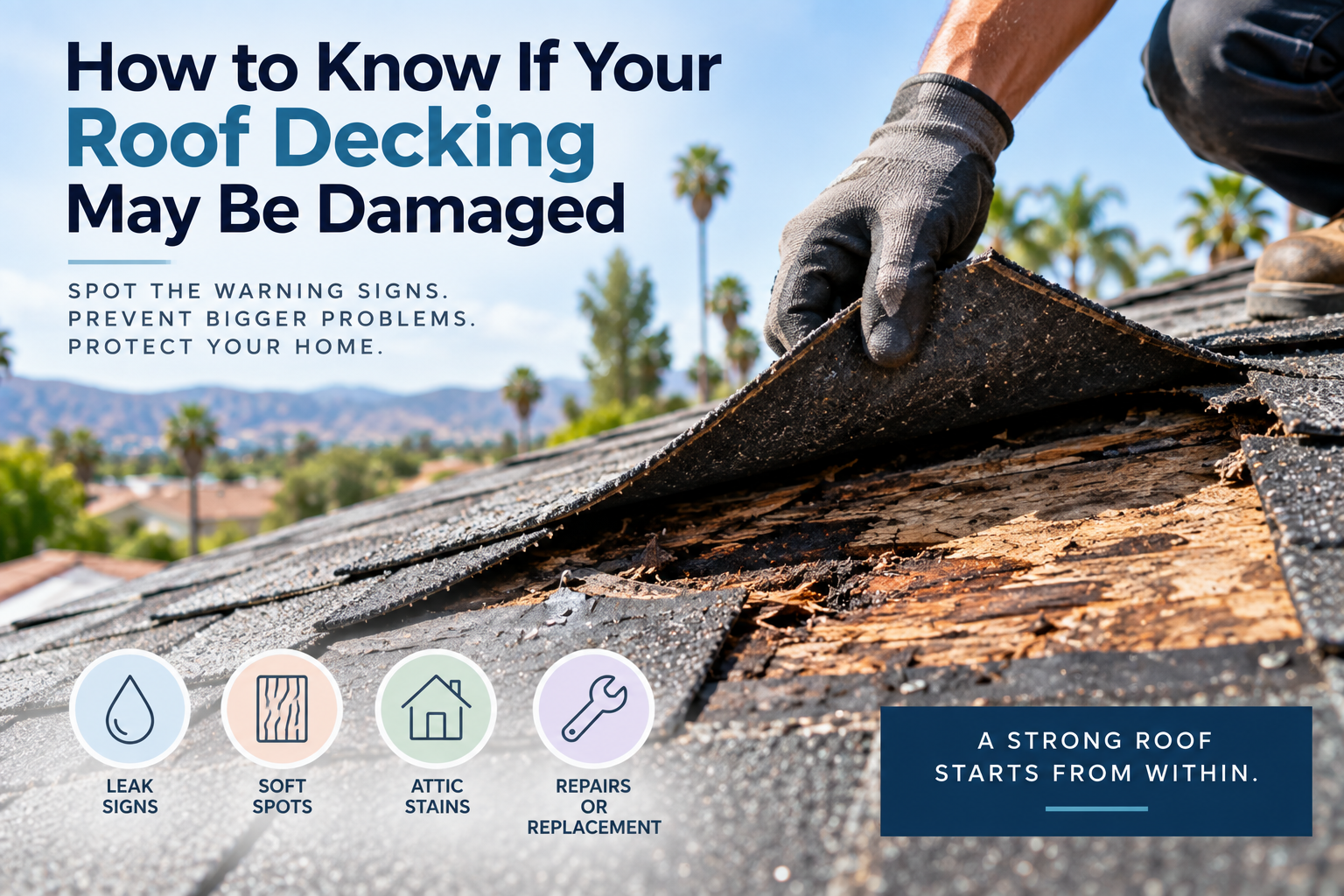
Sometimes a roof leak starts in the attic before it reaches the living space. You may notice wet insulation, dark stains on roof decking, damp rafters, musty smells, water trails, or daylight through a roof opening.
An attic leak is still serious, even if your ceiling has not stained yet. Wet insulation can lose effectiveness. Moisture can affect wood framing. Hidden water can eventually travel into drywall, walls, and electrical areas.
If you can safely access your attic, check after heavy rain for moisture signs. Use a flashlight, avoid stepping between joists, and do not touch wet wiring. If the attic feels unsafe or the roof structure looks damaged, leave it to professionals.
Van Nuys Roof Repair’s article on can roof damage affect your attic explains why attic signs can be an early warning that the roof system needs attention.
A Leak Around a Commercial Roof Can Disrupt Business
Roof leaks are not only residential emergencies. For business owners and property managers, a leak can become urgent when it threatens inventory, equipment, tenants, customers, employees, documents, or building operations.
Commercial leaks may appear around HVAC units, drains, seams, flashing, roof penetrations, or low-slope areas where water collects. A small leak in the wrong location can damage ceiling tiles, flooring, merchandise, electrical systems, or work areas.
If water is entering an occupied commercial space, the leak should be addressed quickly. Van Nuys Roof Repair’s page on commercial roofing in Van Nuys is relevant for business owners who need roof repairs handled before the issue interrupts daily operations.
The article on what business owners should know about commercial roof repairs also explains why commercial roof problems should be handled before they spread.
Repeated Leaks Are a Bigger Concern
A one-time small leak may seem manageable, but repeated leaks in the same area suggest a larger problem. If water comes in every time it rains, the roof likely has an unresolved issue.
Repeated leaks may be caused by damaged flashing, worn underlayment, cracked shingles, roof valley problems, flat roof drainage issues, or poor previous repairs. Each time water enters, it can damage more material.
A recurring leak should be treated as urgent even if the active dripping stops between storms. Dry weather can make the problem feel less serious, but the next rain may bring the same leak back.
Van Nuys Roof Repair’s article on why small roof leaks can become expensive repairs explains how minor water intrusion can turn into larger damage when it is left unresolved.
Leaks Near Roof Valleys, Vents, or Flashing Can Spread
Some roof areas are more leak-prone than others. Roof valleys, vents, chimneys, skylights, wall transitions, flat roof seams, and flashing areas all handle water movement differently than the main roof surface.
A leak near one of these areas can spread because water often travels before it appears indoors. The stain on the ceiling may not be directly below the source of the leak. Water can move along rafters, underlayment, insulation, or framing before showing up inside.
This is one reason DIY leak diagnosis is difficult. You may patch the wrong spot and leave the real opening untouched. A professional inspection can trace the likely source and determine whether the problem is a flashing issue, shingle issue, underlayment issue, roof penetration issue, or larger roof-system concern.
Flat Roof Ponding Can Lead to Emergency Leaks
Flat and low-slope roofs can develop urgent leak problems when water ponds for too long. Ponding water can stress membranes, seams, coatings, drains, flashing, and roof penetrations. If the roof already has cracks or weak points, standing water can find its way inside.
This is especially important for commercial buildings, patio covers, and certain home additions. If water remains on the roof long after rain stops, or if an interior leak appears under a flat roof section, the problem should be checked quickly.
Van Nuys Roof Repair’s article on why your flat roof leaks explains common flat roof leak causes, including drainage and membrane issues.
Heat-Damaged Roofs Can Leak Suddenly
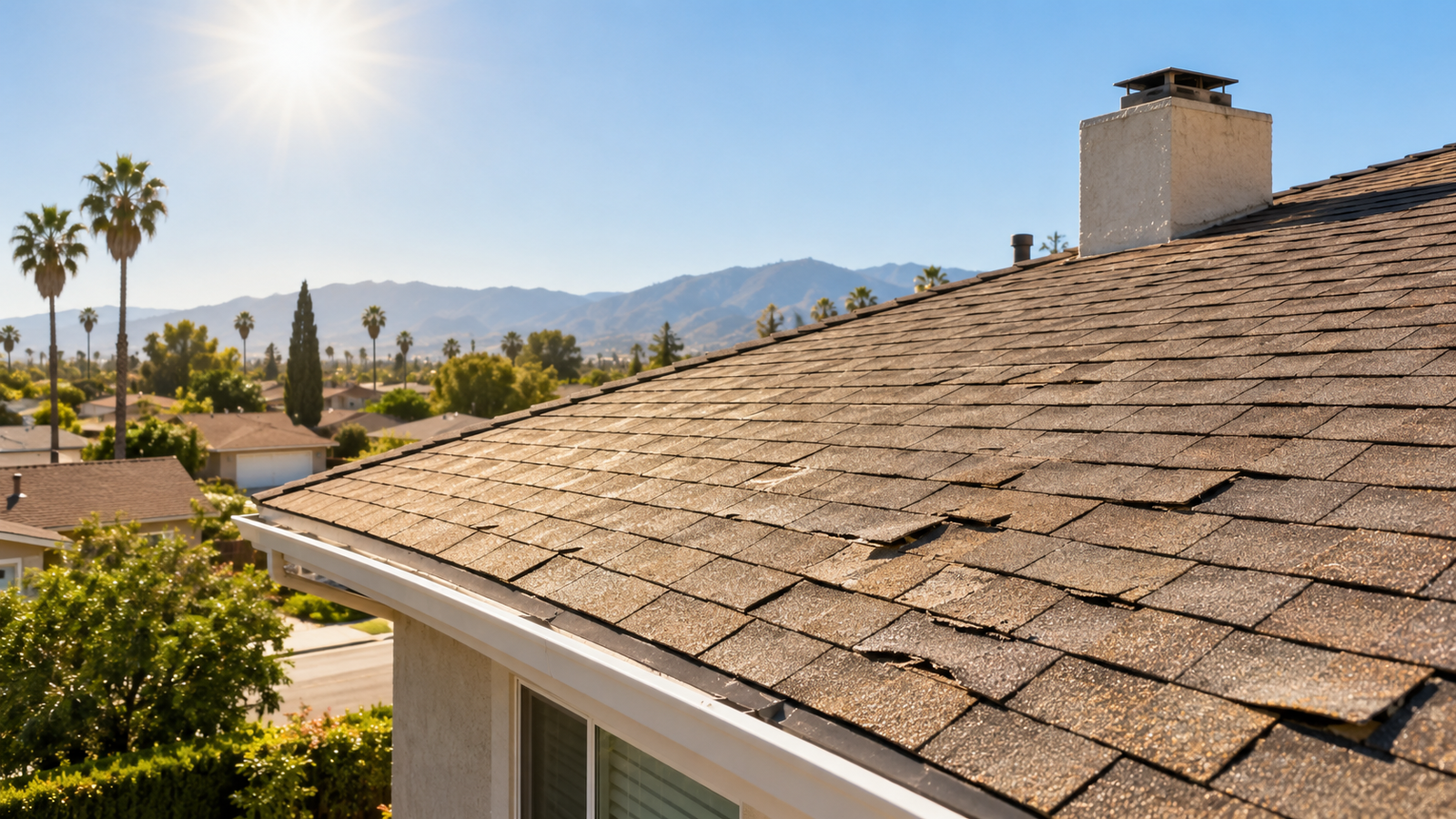
In Van Nuys, roof leaks are not only caused by rain. Heat can weaken the roof before rain ever arrives. After long periods of sun exposure, shingles may curl, crack, lose granules, or become brittle. Sealants around vents and flashing may dry out. Underlayment may become more vulnerable if the roof covering is already compromised.
The leak may not appear during the heat wave itself. It may show up during the next rain. That can make the leak feel sudden, even though the roof had been deteriorating for weeks or months.
Van Nuys Roof Repair’s article on how to know if your roof needs repair after a heat wave explains why heat-related damage should be checked before it becomes an interior leak.
What to Do While Waiting for Roof Repair
If a roof leak is active, your first priority is safety and damage control. Stay off the roof, especially during rain or wind. Move furniture, electronics, rugs, and valuables away from the leak. Place a bucket or container under dripping water. Use towels to control small amounts of water on the floor.
If water is spreading across the ceiling, keep people away from the area. If water is near electrical fixtures, avoid touching anything and shut off power if it is safe to do so.
Take photos and videos of the leak, ceiling stains, damaged belongings, and exterior conditions if you can do so safely. Documentation may be useful for insurance, repairs, or tracking whether the problem is getting worse.
Once the immediate interior situation is managed, contact a roofing professional.
What Not to Do During a Roof Leak Emergency
Do not climb onto the roof during a storm. Do not step on wet or damaged roofing materials. Do not assume the leak source is directly above the stain. Do not ignore water near electrical fixtures. Do not paint over the stain without fixing the leak. Do not rely on temporary sealant as a permanent repair.
Temporary steps may help reduce interior damage, but the roof still needs proper evaluation. A patch that does not address the real cause can allow hidden moisture to continue spreading.
If the leak is active, recurring, near electricity, or causing ceiling sagging, do not wait for it to become worse.
Repair or Replacement After an Emergency Leak
After an emergency leak, the next question is whether the roof needs repair or replacement. The answer depends on the age of the roof, extent of damage, condition of materials, leak history, and whether the problem is isolated or widespread.
A small flashing issue, damaged shingle area, or localized leak may only need targeted roof repair in Van Nuys. However, repeated leaks, widespread shingle damage, failing underlayment, old roofing materials, or decking concerns may point toward roof replacement in Van Nuys.
A professional inspection can help determine which option makes sense.
When to Contact Van Nuys Roof Repair
You should contact Van Nuys Roof Repair quickly if you have active dripping, ceiling sagging, water near electrical fixtures, attic moisture, storm damage, commercial roof leaks, repeated leaks, flat roof ponding, or new stains after rain.
You should also call if you are unsure whether the leak is minor or urgent. Roof leaks often look smaller inside than they are within the roof system. Early inspection can help prevent more expensive damage.
To schedule help, contact Van Nuys Roof Repair.
Final Thoughts
A roof leak is considered an emergency when it threatens safety, structure, electrical systems, interior materials, business operations, or the home’s ability to stay dry. Active dripping, sagging ceilings, attic saturation, water near electrical fixtures, storm damage, and repeated leaks should all be handled quickly.
Even small leaks deserve attention because water can travel through the roof system before it becomes visible indoors. In Van Nuys, heat, wind, aging materials, worn flashing, underlayment issues, and flat roof drainage problems can all turn small weaknesses into urgent leaks.
If you notice water entering your home or business, avoid the roof, protect the interior, document the damage, and call a professional. Fast action can help limit damage and protect the roof system before the next storm or heat wave makes the problem worse.