A commercial roof is easy to forget about until something goes wrong. Many business owners are focused on customers, employees, inventory, scheduling, operations, and day-to-day expenses. The roof only becomes urgent when water starts dripping into the building, ceiling tiles stain, tenants complain, or a leak threatens equipment, merchandise, records, or customer-facing spaces.
But commercial roof repairs should not be treated as an afterthought. A small roof issue can affect business operations, safety, energy costs, interior finishes, and long-term property value. For businesses in Van Nuys and the San Fernando Valley, heat exposure, seasonal rain, wind, debris, drainage problems, and aging materials can all create roofing issues that need timely attention.
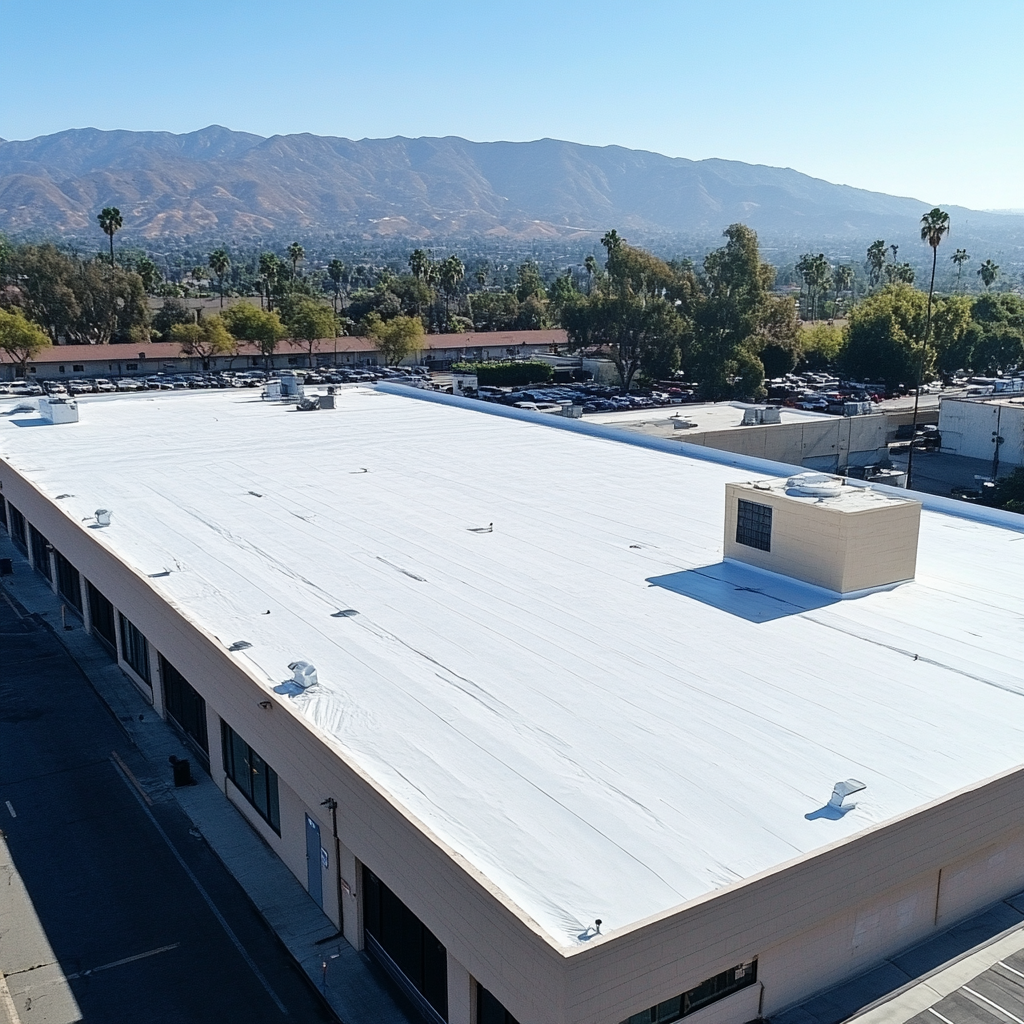
Commercial roofs are often larger, flatter, and more complex than residential roofs. They may include HVAC units, vents, drains, skylights, parapet walls, roof coatings, membrane systems, flashing, and access points. Because of that, commercial roof repair requires careful inspection and a practical repair plan.
If your building has signs of roof damage, ponding water, interior stains, or recurring leaks, scheduling service with a local contractor experienced in commercial roofing in Van Nuys can help protect the building and reduce disruption.
Commercial Roof Problems Can Disrupt Operations
A roof leak at home is stressful. A roof leak at a business can be even more complicated. Water intrusion may affect employees, customers, tenants, equipment, inventory, computers, furniture, stored documents, flooring, ceiling tiles, electrical systems, or production areas.
Even a small leak can create downtime. A retail store may need to move displays. An office may need to relocate employees. A warehouse may need to protect inventory. A restaurant or service business may need to keep customers away from affected areas. If the leak continues, the business may face cleanup, repairs, tenant complaints, or safety concerns.
This is why commercial roof repairs should be addressed early. Waiting until the next storm can increase the chance of interior damage and operational interruptions. A professional inspection can help identify the source and determine whether the issue can be repaired before it becomes a larger business problem.
Flat and Low-Slope Roofs Need Special Attention
Many commercial buildings have flat or low-slope roofs. These systems are practical for larger buildings, but they require proper drainage and maintenance. Unlike steep roofs, which shed water quickly, flat roofs rely on drains, scuppers, gutters, slope design, and membrane integrity to move water away.
When drainage is poor, water can collect on the roof. Ponding water may stress the roofing system, accelerate wear, and increase the risk of leaks. Debris, leaves, dirt, and wind-blown materials can block drains or create areas where moisture sits too long.
Flat roof leaks can also be difficult to trace. Water may enter in one area and travel before showing up inside the building. By the time a ceiling stain appears, the source may be several feet away.
Van Nuys Roof Repair has covered some of these issues in why your flat roof leaks, which is a useful related resource for business owners dealing with low-slope roofing problems.
Do Not Ignore Ceiling Stains or Interior Drips
Interior staining is one of the most obvious signs of a roof problem. A brown ceiling tile, discolored drywall, bubbling paint, musty odor, or active drip should be taken seriously. In a commercial property, these signs can indicate that moisture has already reached the interior.
Some business owners replace a stained ceiling tile and move on. That may make the space look better temporarily, but it does not address the source. If the roof leak is still active, the stain may return, spread, or damage materials above the ceiling.
If you notice staining, take photos, note when it appeared, and pay attention to whether it worsens after rain or wind. If the leak affects electrical fixtures, equipment, or occupied areas, keep people away from the affected space and call for help promptly.
The same basic steps homeowners use when they see a ceiling stain can apply to business properties. Van Nuys Roof Repair’s guide on what to do when you notice a ceiling water stain explains why documenting the issue and identifying the source matters.
Roof Damage Is Not Always Obvious From Below
Some commercial roof problems are visible inside the building, but many are not. A roof may have cracked flashing, membrane damage, clogged drains, loose seams, punctures, deteriorated sealant, open penetrations, or damaged roof edges without immediate interior signs.
This is especially common when the leak has not yet reached the occupied space. Moisture may be trapped above ceiling materials, within insulation, around penetrations, or along the roof deck. The business may not notice anything until the problem becomes more advanced.
That is why visual checks from ground level and routine inspections matter. Business owners or property managers may notice debris buildup, loose metal, sagging gutters, roof edge damage, staining on exterior walls, or materials displaced after wind.
Van Nuys Roof Repair’s blog on how to spot roof damage from the ground can help property owners recognize warning signs without climbing onto the roof.
Wind Can Create Commercial Roof Problems
Wind can damage commercial roofs even when there is little or no rain. Strong gusts may lift roof edges, loosen flashing, shift metal components, move debris across the roof, or stress seams and membranes. On flat roofs, wind can also push debris into drains and create future drainage problems.
The damage may not leak immediately. A wind event may create a weak point, and the next rain may reveal the issue. This can make it seem like the rain caused the leak, when the roof may have been compromised earlier.
Commercial roofs often have more rooftop equipment and penetrations than residential roofs. HVAC units, vents, curbs, pipes, and other rooftop elements all create areas that need proper flashing and sealing. Wind can stress these components over time.
If your building experienced strong winds, it may be worth scheduling an inspection before the next rain. Van Nuys Roof Repair explains this delayed-damage pattern in how wind can damage a roof even without heavy rain.
Rooftop Equipment Can Be a Leak Source
Commercial roofs often support HVAC units, vents, exhaust systems, access hatches, skylights, pipes, and other equipment. Each of these features requires careful waterproofing. The more penetrations a roof has, the more potential leak points it may have.
Leaks around rooftop equipment can happen because of aging sealant, cracked flashing, loose curbs, improper installation, foot traffic from service workers, or movement over time. HVAC service visits can also contribute to roof wear if technicians walk across vulnerable areas or leave panels, tools, or debris behind.
Business owners should keep records of rooftop service visits and roof repair history. If a leak appears near an area with equipment, that information can help a roofing contractor identify possible causes.
A commercial roof inspection should include these penetration points, not just the open roof field.
Drainage Problems Can Become Expensive
Drainage is one of the most important parts of commercial roof performance. Water should not sit on the roof longer than necessary. If drains, scuppers, gutters, or downspouts are blocked or damaged, water can collect and create stress on the roofing system.
Ponding water can lead to membrane deterioration, seam problems, debris buildup, added weight, and leaks. It can also make small punctures or weak points worse because water remains in contact with the surface.
Commercial building owners should pay attention after rain. If water is still visible on the roof long after the storm has passed, the drainage system may need evaluation. If you cannot safely view the roof, a professional inspection can help identify whether water is draining properly.
Roof drainage is especially important before storm season. Van Nuys Roof Repair’s article on prepare your roof for storm season explains why proactive attention can help reduce the risk of leak-related damage.
Heat Exposure Can Weaken Commercial Roofing Materials
Van Nuys roofs experience long periods of sun and heat. Over time, heat exposure can dry out sealants, stress membranes, weaken coatings, and make materials more brittle. On commercial roofs, this can be especially important because large roof surfaces absorb a lot of heat throughout the day.
Heat-related wear may appear as cracking, blistering, shrinking, surface deterioration, or separation around seams and penetrations. Even if the roof is not leaking yet, these signs can indicate that the system is becoming more vulnerable.
Cool roofing systems, reflective surfaces, coatings, and proper maintenance may help reduce heat-related stress in some situations, depending on the building and roof type. Van Nuys Roof Repair has written more about temperature-related roofing concerns in how San Fernando Valley heat damages roofs in Van Nuys.
Repairs Should Be Scheduled Around Business Needs
Commercial roof repairs often need coordination. A business may need to consider work hours, customer access, tenant communication, parking, noise, equipment movement, safety barriers, and interior protection.
For some businesses, repairs may be easier during slower hours or specific days. For tenant-occupied properties, communication may be needed before work begins. For buildings with sensitive equipment, inventory, or customer areas, interior protection may need to be planned.
A professional roofing contractor should explain what access is needed, what areas may be affected, how long the repair may take, and what the business should prepare before work begins.
Planning matters because the goal is not only to repair the roof. It is to repair the roof while minimizing disruption to the business.
Documentation Matters for Commercial Properties
Business owners and property managers should document roof problems and repairs. Keep photos of damage, inspection reports, estimates, invoices, maintenance records, warranty information, and notes about weather events or leak timing.
This documentation can help in several ways. It gives the roofing contractor useful history. It supports budgeting and maintenance planning. It helps property managers communicate with owners or tenants. It may also be useful when discussing damage with insurance or other parties.
If a leak appears repeatedly, records can show whether it is happening in the same area or spreading to new sections. If a roof is aging, repair history can help determine whether continued repairs or larger work makes more sense.
Good documentation creates a clearer picture of the roof’s condition over time.
Repairs May Not Always Be the Long-Term Answer
Many commercial roof problems can be repaired, especially when caught early. A damaged flashing area, puncture, loose seam, clogged drain, or isolated leak may be addressed with targeted repair.
However, repeated repairs may indicate a larger issue. If the roof has widespread deterioration, recurring leaks, aging materials, drainage failure, or extensive membrane wear, replacement or a larger roofing project may eventually be more practical.
The right answer depends on the roof’s age, condition, material, damage extent, building use, budget, and long-term plans. A roofing contractor should help explain the options clearly so the business owner can make an informed decision.
Van Nuys Roof Repair also offers roof replacement in Van Nuys for situations where repair may no longer provide reliable long-term protection.
Choose a Contractor Who Understands Commercial Roofing
Commercial roof repairs are different from residential repairs. The roof systems, drainage design, building access, materials, equipment, and operational concerns can be more complex. Business owners should work with a contractor who understands commercial roof evaluation and can explain the repair plan clearly.
Before hiring, ask about experience with commercial roofs, inspection process, repair recommendations, access needs, project timing, and documentation. You should understand what problem is being repaired and why that repair is recommended.
If you are unsure what to ask, Van Nuys Roof Repair’s guide on what questions should you ask before hiring a roof repair company can help you prepare for the conversation.
Schedule Repairs Before the Problem Interrupts Business
The best time to address commercial roof damage is before it disrupts operations. A small leak over a storage room can become a bigger issue over inventory. A minor membrane problem can worsen after heat, wind, or rain. A clogged drain can become a ponding water problem during the next storm.
Waiting can limit options and increase interior damage. Early inspection gives business owners more control over scheduling, budgeting, and repair planning.
If you notice roof damage, interior stains, ponding water, or recurring leaks, contact Van Nuys Roof Repair to schedule an inspection.
Final Thoughts
Commercial roof repairs are not just a building maintenance issue. They can affect daily operations, tenant satisfaction, customer experience, inventory protection, employee safety, and long-term property value.
Business owners should pay attention to ceiling stains, active leaks, drainage problems, wind damage, rooftop equipment areas, heat-related wear, and recurring repairs. Commercial roofs often have complex systems, so problems should be inspected by professionals who understand how to evaluate larger, low-slope, and equipment-heavy roofs.
For Van Nuys businesses, acting early can help prevent roof damage from becoming a larger operational disruption. If your commercial roof is showing signs of wear, leaks, or drainage trouble, Van Nuys Roof Repair can inspect the issue and recommend the right repair path.