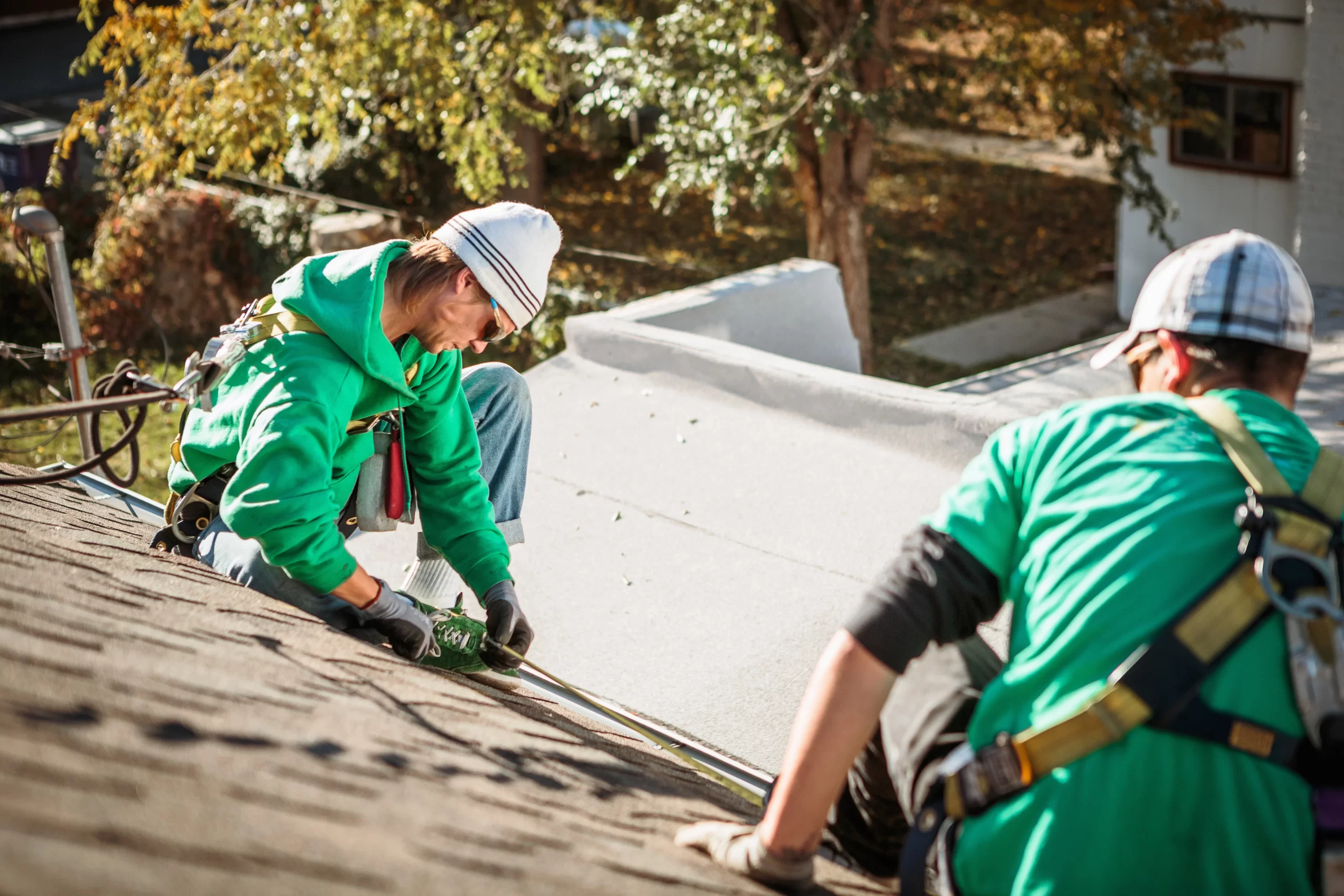
Clogged gutters may seem like a simple maintenance issue, but they can create serious problems for your roof. When gutters are full of leaves, twigs, roofing granules, dirt, or debris, water cannot drain away from the home properly. Instead, it may back up along the roof edge, overflow onto fascia boards, spill near the foundation, or push moisture into areas that were never designed to hold standing water.
For homeowners in Van Nuys and the San Fernando Valley, clogged gutters can be especially easy to overlook because long dry stretches may hide the problem for months. Then, when rain finally arrives, water that should move cleanly through the gutter system may suddenly overflow, leak, or expose hidden roof damage.
Clogged gutters can contribute to roof edge damage, fascia rot, underlayment problems, shingle deterioration, roof valley leaks, attic moisture, and interior ceiling stains. If you notice overflowing gutters, water stains, or damage near your roofline, Van Nuys Roof Repair can inspect the affected areas and determine whether roof repair is needed.
Why Gutters Matter to Your Roof
Gutters are designed to collect rainwater from the roof and direct it away from the home. When they work correctly, water flows from the roof surface into the gutters, through the downspouts, and away from the structure.
That drainage process protects more than the ground around your home. It also helps protect roof edges, fascia boards, siding, attic areas, and the foundation. When gutters stop draining, water can collect where it should not.
A roof is built to shed water, not hold it at the edges. If clogged gutters cause water to sit against the roofline, that moisture can find weak spots in shingles, underlayment, flashing, or decking.
Debris Stops Water From Moving
The most obvious problem with clogged gutters is that debris blocks water flow. Leaves, small branches, dirt, roof granules, and other materials can collect in the gutter channel. Downspouts can also become clogged, causing water to back up even if the gutter itself looks partially clear.
When water cannot move through the system, it may overflow over the front of the gutter, spill behind the gutter, or pool along the roof edge. During heavy rain, this can happen quickly.
In Van Nuys, debris may sit unnoticed during dry weather. Homeowners may not realize the gutter is clogged until the first rain in weeks or months causes water to pour over the sides. By that point, the roof edge may already be vulnerable.
Water Can Back Up Under Shingles
When gutters clog, water may back up along the roof edge. If shingles are worn, lifted, cracked, or improperly sealed, backed-up water may move beneath them.
This can be especially concerning because water intrusion near the edge of the roof may not show up immediately inside the home. It may first affect the underlayment, roof decking, fascia, or attic edge.
Over time, repeated moisture exposure can lead to hidden damage. A small gutter issue can become a roof repair issue if water keeps reaching areas beneath the visible roof surface.
Van Nuys Roof Repair’s article on why small roof leaks can become expensive repairs explains why minor water intrusion should be handled before it spreads.
Fascia Boards Can Become Damaged
The fascia is the board along the roof edge where gutters are often attached. When gutters clog and overflow, fascia boards can stay wet longer than they should.
Moisture can cause fascia to soften, rot, stain, warp, or pull away. If the fascia weakens, the gutter may sag or separate from the roofline. Once that happens, water drainage becomes even worse.
Damaged fascia can also create openings where pests, moisture, and air may enter the roof edge or attic area. If you notice sagging gutters, peeling paint, soft wood, or stains near the roofline, clogged gutters may be part of the problem.
A roof inspection can help determine whether the damage is limited to the gutter area or whether it has affected the roof structure.
Underlayment Can Be Affected
Underlayment is the protective layer beneath shingles, tiles, or other roofing materials. It helps defend the roof decking if water gets past the surface layer.
When clogged gutters cause water to sit or back up near the roof edge, the underlayment may be exposed to repeated moisture. If the underlayment is old, brittle, torn, or already weakened by heat, it may stop protecting the roof properly.
In the San Fernando Valley, heat and sun exposure can age roofing materials faster. If the underlayment is already near the end of its useful life, clogged gutters can make moisture problems worse.
Van Nuys Roof Repair’s article on warning signs your roof underlayment may be failing explains why hidden roof layers matter when leaks appear.
Roof Decking Can Become Soft or Damaged
If water gets past the shingles and underlayment, it may reach the roof decking. Decking is the structural surface beneath the roof system. Once decking absorbs moisture, it can soften, rot, warp, or weaken.
Decking damage may not be visible from the ground. Homeowners may first notice soft spots, sagging areas, attic stains, musty smells, or interior ceiling damage. By the time these signs appear, the damage may be more extensive than a simple gutter issue.
Van Nuys Roof Repair’s articles on how to know if your roof decking may be damaged and what soft spots on a roof are explain why hidden moisture damage should be checked before the roof is patched.
Clogged Gutters Can Make Roof Valley Problems Worse
Roof valleys are the areas where two roof slopes meet and channel water down the roof. If a valley drains toward a clogged gutter, water may not be able to exit properly.
This can cause water to collect at the lower end of the valley, increasing the chance of leaks, shingle wear, flashing issues, and underlayment damage. Debris from valleys can also wash into gutters and make clogs worse.
If your roof has valleys, nearby trees, or repeated debris buildup, gutters should be checked before rainy periods. Van Nuys Roof Repair’s article on what causes roof valleys to leak explains why valleys are one of the most important drainage areas on a roof.
Shingles Near the Roof Edge May Deteriorate Faster
Shingles are designed to shed water downward. When clogged gutters cause water to sit near the edge, shingles in that area may experience more wear than the rest of the roof.
The shingles may begin to curl, crack, lift, or lose granules. If they are already old or heat-damaged, the extra moisture stress can speed up deterioration.
In Van Nuys, roofs already deal with strong sun and heat exposure. Shingles that are weakened by heat may not handle backed-up moisture as well. Van Nuys Roof Repair’s articles on what causes roof shingles to curl or crack and how San Fernando Valley heat damages roofs in Van Nuys explain how local climate can affect roof materials.
Granules in Gutters Can Be a Warning Sign
Some debris in gutters comes from trees, but some comes from the roof itself. If you notice a large amount of asphalt shingle granules in your gutters, that may be a sign that your shingles are aging or wearing down.
Granule loss can leave shingles more vulnerable to UV exposure, heat, cracking, and water damage. If granules are collecting in clogged gutters, the roof may have two issues at once: poor drainage and surface wear.
Van Nuys Roof Repair’s article on what causes granule loss on asphalt shingles explains why heavy granule loss should not be ignored.
Overflowing Gutters Can Lead to Attic Moisture
When water backs up near the roof edge, it may eventually reach attic areas. Attic moisture may appear as stains on rafters, damp insulation, musty odors, rusted nails, or dark spots on decking.
Attic moisture can be difficult to connect to clogged gutters because the problem may not look obvious from inside the home. However, if water is entering at the roof edge, the attic may show early warning signs before a ceiling stain appears.
Van Nuys Roof Repair’s article on can roof damage affect your attic explains why attic symptoms are important when evaluating roof damage.
Ceiling Stains May Appear Later
A clogged gutter problem may eventually show up as a ceiling stain. This can happen if water gets under the roof edge, travels along the decking or rafters, and reaches the ceiling below.
Ceiling stains may appear as brown rings, yellow patches, bubbling paint, damp spots, or discoloration near exterior walls. Because water can travel before it becomes visible, the stain may not appear directly below the damaged area.
Van Nuys Roof Repair’s article on what to do when you notice a ceiling water stain explains why interior stains should be investigated before they grow or return after the next rain.
Clogged Gutters Can Hide During Dry Weather
One reason clogged gutters are so common in the San Fernando Valley is that dry weather can hide the problem. If it has not rained in a while, gutters may fill with leaves, dust, and debris without causing visible symptoms.
Then, when rain finally comes, the system may overflow immediately. Homeowners may assume the roof suddenly failed, but the issue may have been building during the dry season.
Dry weather can also make roofing materials more brittle. Sealants can crack, shingles can age, and debris can sit in vulnerable areas. Van Nuys Roof Repair’s article on what roof problems are most common in the San Fernando Valley explains how local conditions can contribute to roof issues.
Gutter Problems Can Affect Flat and Low-Slope Roofs
Flat and low-slope roofs rely heavily on proper drainage. If drains, scuppers, gutters, or downspouts clog, water may pond on the roof or sit longer than it should.
Ponding water can stress flat roof materials, weaken seams, contribute to leaks, and make small defects worse. For commercial buildings, clogged drainage can also disrupt operations if water enters offices, storage areas, tenant spaces, or customer areas.
Van Nuys Roof Repair’s article on why your flat roof leaks explains why drainage is critical for flat roofing systems. Business owners can also review commercial roofing in Van Nuys for more information about commercial roof concerns.
Signs Your Gutters May Be Damaging the Roof
Homeowners should watch for signs that clogged gutters may already be affecting the roof. These may include:
Water overflowing during rain
Sagging gutters
Gutters pulling away from the fascia
Peeling paint near the roofline
Stains under the eaves
Granules collecting in gutters
Debris packed near roof valleys
Water marks inside the attic
Ceiling stains near exterior walls
Soft or uneven roof edges
Moldy or musty odors near the attic
If you notice these signs, the roof should be inspected along with the gutters. Cleaning the gutters may stop future overflow, but it may not repair damage that has already occurred.
Can Roof Damage From Clogged Gutters Be Repaired?
Yes, many roof problems caused by clogged gutters can be repaired if they are caught early. Repairs may include replacing damaged shingles, repairing roof edge areas, addressing underlayment damage, fixing flashing, repairing fascia, or correcting water intrusion points.
However, if the moisture has reached the decking or caused widespread damage, the repair may be more involved. If the roof is already old or damaged in several areas, roof replacement in Van Nuys may be a better long-term solution.
The right answer depends on the extent of the damage, roof age, material condition, and whether the gutter issue has been ongoing.
How to Prevent Gutter-Related Roof Damage
The best way to prevent gutter-related roof damage is to keep water moving away from the roof. Gutters should be cleared of leaves, twigs, granules, and debris before rainy periods. Downspouts should be checked to make sure water exits properly. Roof valleys and roof edges should also be inspected for buildup.
If your home has overhanging trees, debris may collect faster. If your roof is older, gutter overflow may cause damage more quickly because the roofing materials may already be weaker.
Routine roof maintenance can help catch small issues before they become expensive. Van Nuys Roof Repair’s article on how roof maintenance saves you thousands explains why prevention is often easier than emergency repair.
Final Thoughts
Clogged gutters can lead to roof damage by forcing water to back up, overflow, and sit near vulnerable areas of the roof. Over time, that moisture can damage shingles, fascia, underlayment, roof decking, attic areas, and ceilings.
For homeowners in Van Nuys, clogged gutters may go unnoticed during long dry periods and then cause problems during the first rain. If you see overflowing gutters, ceiling stains, attic moisture, sagging gutters, granules in the gutter system, or damage near the roof edge, do not assume cleaning the gutters is enough.
Contact Van Nuys Roof Repair to schedule an inspection and find out whether roof repair, gutter-related repairs, or a larger roofing solution is needed.