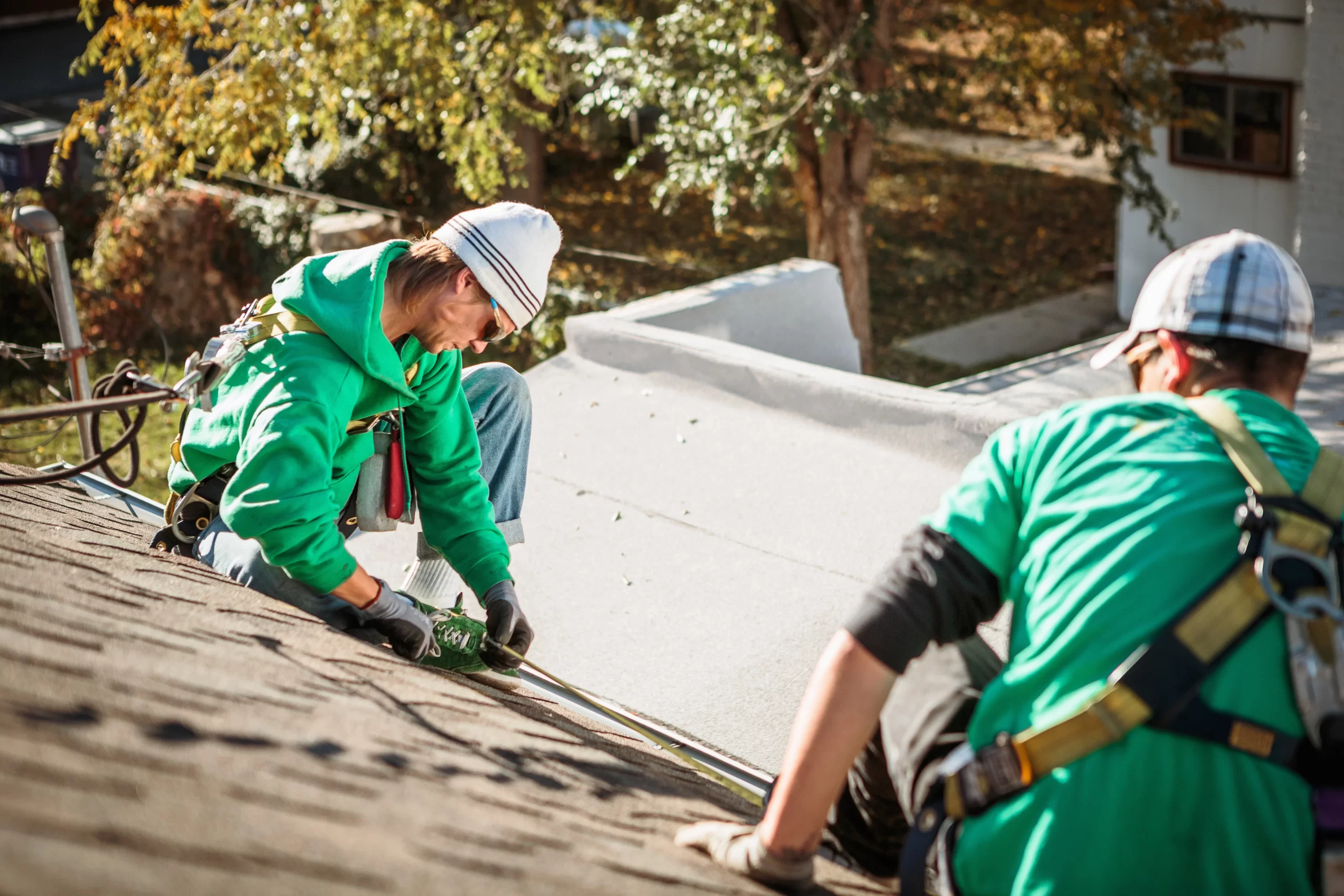
Roof valleys are one of the most important drainage areas on your roof. They are the channels where two roof slopes meet, directing rainwater down and away from the home. Because valleys handle more water than many other parts of the roof, even a small problem in this area can lead to leaks, water stains, underlayment damage, decking issues, and interior moisture.
So, what causes roof valleys to leak?
Roof valley leaks are often caused by damaged shingles or tiles, worn flashing, clogged debris, poor installation, failing underlayment, cracked sealants, storm damage, or water backing up during heavy rain. In Van Nuys and the San Fernando Valley, heat, sun exposure, dry weather, and sudden seasonal rain can make these problems worse over time.
If you notice water stains, attic moisture, or roof damage near a valley, it is important to schedule roof repair in Van Nuys before the leak spreads.
What Is a Roof Valley?
A roof valley is the inside angle where two sloped roof sections meet. Instead of water running off a single flat plane, water from both slopes drains into the valley and flows downward toward the gutters or roof edge.
Because roof valleys carry a concentrated amount of water, they need to be built and maintained carefully. The shingles, tiles, underlayment, and flashing in this area all work together to guide water off the roof.
When any part of that system fails, water may seep beneath the surface materials. That can lead to hidden roof damage long before a leak appears inside the home.
Why Roof Valleys Are Common Leak Areas
Roof valleys are common leak areas because they handle more water movement than many other roof sections. During heavy rain, water rushes into the valley from both sides of the roof. If the valley is clogged, damaged, or improperly sealed, the water may slow down, pool, or move under the surrounding materials.
Valleys are also more vulnerable because they involve a change in roof direction. Any area where roof surfaces meet creates a seam, and seams need proper protection. If the valley flashing, shingles, tiles, or underlayment are worn, water may find its way into the roof system.
Van Nuys Roof Repair’s article on what homeowners should know about roof flashing explains why roof transitions are some of the most important areas to inspect when a leak appears.
Debris Can Clog the Valley
One of the most common causes of roof valley leaks is debris buildup. Leaves, twigs, pine needles, dirt, seed pods, and roofing granules can collect in the valley, especially if trees hang near the roof.
When debris sits in a valley, it can slow water flow. Instead of draining cleanly, rainwater may back up, spread sideways, or sit against the roofing materials. Over time, this can increase the chance of water getting under shingles or tiles.
Debris can also trap moisture. In a dry climate like Van Nuys, the roof may go long periods without rain, allowing debris to collect unnoticed. When rain finally arrives, the valley may not drain properly.
If your roof has trees nearby or you notice debris collecting in roof channels, valley inspection and maintenance can help prevent future leaks.
Damaged Shingles Near the Valley
Shingles near roof valleys need to stay flat, secure, and properly overlapped. If shingles are cracked, curled, missing, loose, or worn down near the valley, water may be able to reach the underlayment beneath.
In the San Fernando Valley, heat and sun exposure can make shingles more brittle over time. Once shingles become brittle, they may crack more easily or lose their ability to seal properly. Wind can also lift shingles along the edges of a valley, creating small openings for water.
Van Nuys Roof Repair’s article on what causes roof shingles to curl or crack explains how shingle damage can become a leak risk, especially in areas that handle heavy water flow.
Worn or Damaged Valley Flashing
Valley flashing is designed to protect the seam where two roof slopes meet. Depending on the roofing system, this flashing may be visible metal or may be installed beneath shingles or tiles.
If valley flashing becomes rusted, bent, cracked, loose, or improperly sealed, water may enter the roof system. Flashing can also fail if it was not installed correctly or if surrounding materials shift over time.
Because flashing is often partially hidden, homeowners may not be able to see the full extent of the damage from the ground. A valley may look mostly normal while water is getting underneath the surface.
This is why leaks near valleys should be inspected professionally. A small flashing issue can lead to underlayment and decking damage if it is not repaired early.
Failing Underlayment Beneath the Valley
Underlayment is the protective layer beneath shingles, tiles, or other roofing materials. In a valley, underlayment is especially important because this area receives so much water.
If the underlayment beneath the valley is old, brittle, torn, poorly installed, or damaged by previous leaks, water may reach the decking below. Once that happens, the roof can develop soft spots, rot, attic stains, or interior ceiling damage.
Van Nuys Roof Repair’s article on warning signs your roof underlayment may be failing explains why hidden roof layers matter, especially when surface materials no longer provide full protection.
Poor Valley Installation
Some valley leaks are caused by installation problems. A roof valley must be designed to move water efficiently. If shingles are cut incorrectly, flashing is missing, materials are overlapped improperly, nails are placed in the wrong location, or the valley does not have the right water path, leaks may develop.
Poor installation may not cause a leak immediately. The roof may seem fine during light rain or dry weather. But during a heavy storm, water may find the weak point and enter beneath the roofing materials.
This can be frustrating because the homeowner may not realize the valley was installed incorrectly until years later. If a roof valley leaks repeatedly, the problem may be more than simple wear and tear.
Cracked Sealants Around the Valley
Sealants are sometimes used around roof transitions, flashing edges, vents, and repair areas. While sealant can be useful in the right place, it is not a permanent substitute for proper roofing installation.
In Van Nuys heat, sealants can dry out, crack, shrink, or separate from the roof surface. If a previous valley repair relied too heavily on sealant, that repair may fail over time.
A cracked sealant line near a valley can allow water to enter during rain, especially if water is already moving heavily through that area. This is one reason temporary roof patches may not last.
If you see dried, cracked, or peeling sealant near a roof valley, it may be time for an inspection.
Granule Loss in the Valley Area
Granule loss can also contribute to valley leaks. Asphalt shingle granules protect the roof surface from sun exposure and wear. Because valleys carry more water and debris, shingles in this area may experience extra abrasion over time.
If shingles near the valley lose too many granules, they may become more vulnerable to heat, UV exposure, cracking, and water damage. Homeowners may notice granules in gutters, near downspouts, or along roof edges.
Van Nuys Roof Repair’s article on what causes granule loss on asphalt shingles explains why heavy granule loss should not be ignored, especially in a hot climate.
Wind Damage Can Open the Valley
Wind can damage roof valleys even without heavy rain. Strong gusts may lift shingles, shift tiles, loosen flashing, or blow debris into valleys. Once materials are lifted or displaced, water can enter during the next rain.
This is especially important in Southern California because a roof may be damaged by wind during dry weather, then leak weeks later when rain finally arrives.
Van Nuys Roof Repair’s article on how wind can damage a roof even without heavy rain explains why wind damage should be checked before it turns into water damage.
Heat Can Make Valley Problems Worse
San Fernando Valley heat can affect the materials around roof valleys. Shingles can dry out. Sealants can crack. Underlayment can weaken. Metal flashing can expand and contract. Over time, these changes can make the valley more vulnerable.
A valley that was already slightly worn may become more fragile after years of sun exposure. When seasonal rain arrives, the weakened area may leak.
Van Nuys Roof Repair’s article on how San Fernando Valley heat damages roofs in Van Nuys explains why local heat can accelerate roof wear before homeowners notice interior damage.
Roof Valleys May Leak After the First Rain in Months
In Van Nuys, roof leaks often appear after the first rain following a long dry stretch. That does not mean the rain caused the damage. It often means the rain revealed damage that was already there.
During dry weather, debris can collect, sealants can crack, shingles can become brittle, and flashing problems can worsen without obvious symptoms. Once rain returns, water moves through the valleys and exposes weak points.
If a leak appears after the first rain in months, the valley should be checked along with nearby flashing, shingles, underlayment, and attic areas.
Van Nuys Roof Repair’s article on what roof problems are most common in the San Fernando Valley covers several local conditions that can lead to sudden leaks after dry weather.
Signs a Roof Valley May Be Leaking
A roof valley leak may show up in several ways. You may notice a ceiling stain below or near the valley area, damp insulation, attic discoloration, musty odors, bubbling paint, water marks on walls, or visible roof damage where two slopes meet.
From the ground, you may see missing shingles, debris buildup, uneven materials, dark streaking, sagging areas, or damaged valley metal. However, not every valley problem is visible from below.
Van Nuys Roof Repair’s article on what to do when you notice a ceiling water stain explains why interior stains should be investigated before they spread.
Can a Roof Valley Leak Be Repaired?
Many roof valley leaks can be repaired if the damage is localized and the surrounding roof is still in good condition. Repairs may involve clearing debris, replacing damaged shingles, repairing or replacing flashing, addressing underlayment damage, sealing vulnerable areas properly, or correcting installation defects.
However, if the valley leak has caused decking damage, soft spots, or repeated water intrusion, the repair may need to go deeper than the surface. Van Nuys Roof Repair’s articles on how to know if your roof decking may be damaged and what are soft spots on a roof explain why hidden damage should be checked before the roof is patched.
If valley problems are part of widespread roof wear, roof replacement in Van Nuys may be a better long-term option.
Why You Should Not Ignore a Valley Leak
A valley leak can become expensive if it is left alone. Because valleys carry so much water, even a small opening can allow repeated moisture intrusion. That moisture can damage underlayment, decking, insulation, drywall, paint, and attic materials.
A small stain may eventually turn into a larger ceiling repair. A small underlayment issue may become a decking problem. A repair that could have been limited to one area may become more extensive.
Van Nuys Roof Repair’s article on why small roof leaks can become expensive repairs explains why early repair is usually the safer choice.
Final Thoughts
Roof valleys leak when the area that channels water off the roof becomes clogged, damaged, worn, poorly installed, or weakened by heat, wind, debris, or age. Because valleys handle so much water, small problems in this area can quickly lead to leaks, underlayment damage, roof decking issues, attic moisture, and ceiling stains.
If you notice a leak near a roof valley, debris buildup, damaged shingles, cracked sealant, or stains inside your home, do not wait for the next storm. Contact Van Nuys Roof Repair to schedule an inspection and find out whether valley repair, roof repair, or a larger roofing solution is the right next step.