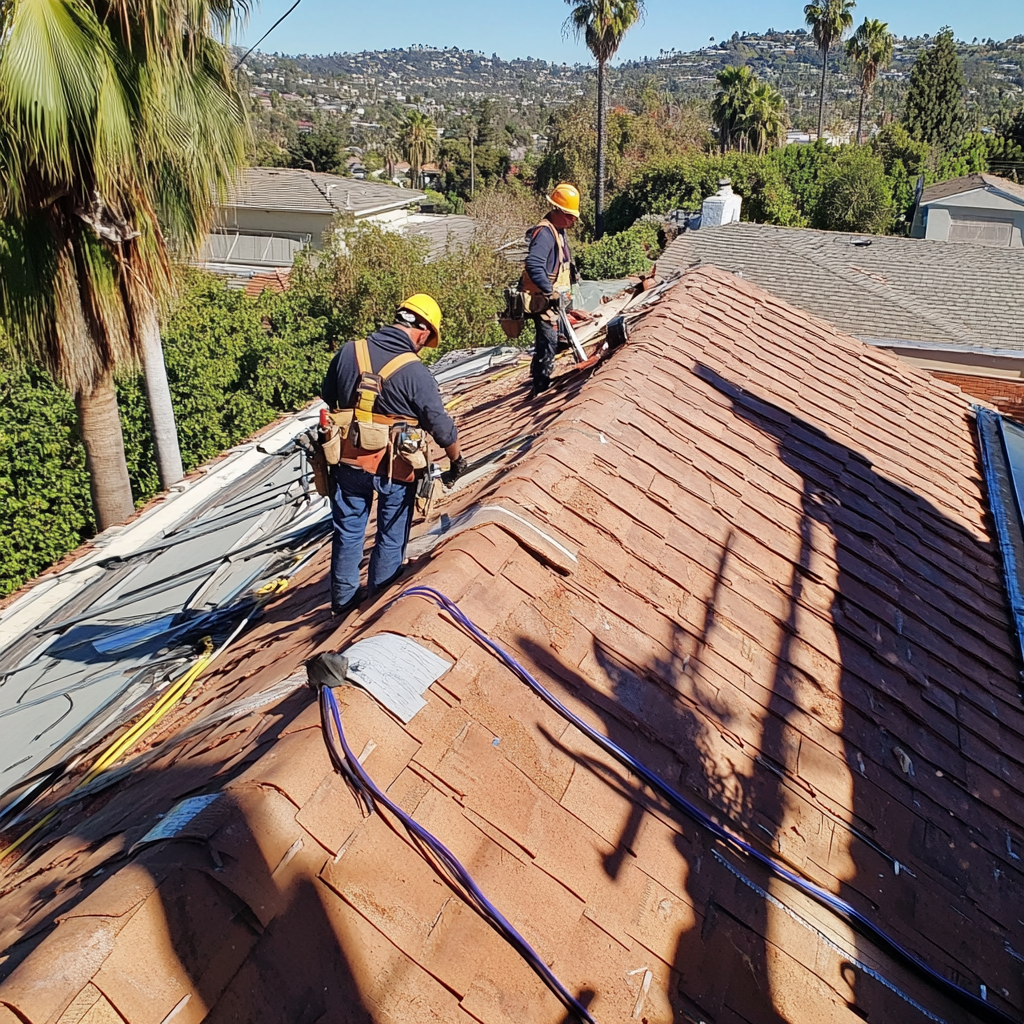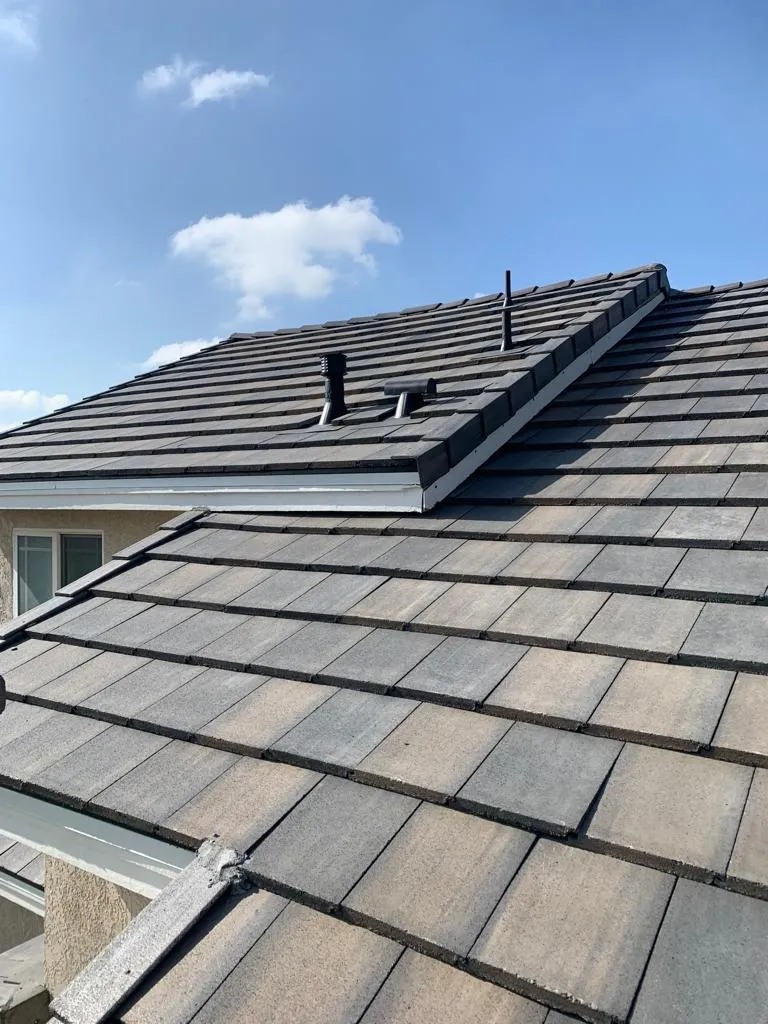
Buying a home is already a major decision, and the roof is one of the biggest parts of that investment. A roof may look fine from the street, but hidden damage, worn materials, old leaks, weak underlayment, soft decking, or poor repairs can create expensive problems after closing.
So, should you get a roof inspection before buying a home?
In many cases, yes. A roof inspection before buying a home can help you understand the condition of the roof, identify repair needs, ask better questions during negotiations, and avoid surprises after you move in. A general home inspection may include a basic roof review, but it may not provide the same level of detail as a roofing professional’s evaluation.
For buyers in Van Nuys and the San Fernando Valley, roof condition matters because heat, sun exposure, dry weather, wind, and seasonal rain can all affect how a roof ages. If you are considering a home and have concerns about the roof, Van Nuys Roof Repair can help evaluate visible damage, leak risks, and whether repair or replacement may be needed.
Why the Roof Matters Before You Buy
The roof protects the home from water, heat, wind, debris, and exterior exposure. When the roof is in good condition, it helps protect the attic, ceilings, insulation, walls, and interior finishes. When the roof is damaged, problems can spread quietly.
A roof issue may not be obvious during a showing. Sellers may not know about hidden damage. A dry stretch may hide leaks. Interior paint may cover old stains. A roof may look acceptable from the ground while the underlayment, flashing, or decking has problems.
Because roof repairs and replacements can be significant expenses, buyers should understand roof condition before finalizing the purchase. A roof inspection can help you decide whether the home is priced appropriately, whether repairs should be requested, or whether future roof costs should be planned.
A Home Inspection May Not Be Enough
A standard home inspection often includes a general look at the roof, but it may not be as detailed as a roofing-specific inspection. A home inspector may look for visible signs of damage, missing materials, leaks, roof age concerns, attic stains, or drainage issues. However, they may not walk the roof, open roof layers, diagnose every leak source, or provide a detailed repair scope.
If the home inspector flags roof concerns, recommends further evaluation, or notes limited visibility, it may be smart to call a roofing professional before the inspection period ends.
This is especially true if the roof is older, has visible wear, has had prior repairs, shows ceiling stains, or appears uneven from the ground.
Van Nuys Roof Repair’s article on should you repair your roof before a home inspection explains the seller-side version of this issue, but buyers should think about the same concerns before closing.
Roof Age Should Be Verified
One of the first questions buyers should ask is how old the roof is. Roof age can affect repair needs, insurance questions, maintenance planning, and replacement timing.
However, roof age is not always clear. A seller may estimate. Previous owners may have replaced only part of the roof. A roof may have been repaired many times but not fully replaced. The visible materials may look newer than the layers underneath.
A roof inspection can help determine whether the roof condition matches what you have been told. The inspector may not always be able to confirm an exact installation date, but they can often identify signs of aging, wear, poor repairs, and material deterioration.
Van Nuys Roof Repair’s article on how often to replace your roof in Southern California can help buyers understand why roof lifespan depends on material, climate, installation, and maintenance.
San Fernando Valley Heat Can Age Roofs Faster
Homes in Van Nuys deal with intense sun and heat. Over time, heat can dry out shingles, crack sealants, weaken flashing areas, age underlayment, and make roofing materials more brittle.
A roof may not leak during dry weather, but that does not mean it is in excellent condition. Dry, sun-damaged materials may fail when rain returns. This is why buyers should not rely only on whether the home currently has an active leak.
Van Nuys Roof Repair’s article on how San Fernando Valley heat damages roofs in Van Nuys explains why local conditions can accelerate roof wear.
If the home has an older roof, a dark roof surface, poor ventilation, or visible cracking, a roof inspection can help you understand whether heat damage may be a concern.
Visible Shingle Damage Should Be Checked
From the ground, buyers may notice missing shingles, curled edges, cracked shingles, faded areas, patchy sections, or uneven roof lines. These signs may suggest age, wind damage, heat damage, poor installation, or water intrusion.
Shingle damage matters because shingles are supposed to shed water. Once they are cracked, lifted, or brittle, they may allow moisture to reach the layers below.
Van Nuys Roof Repair’s article on what causes roof shingles to curl or crack explains why shingle problems should be evaluated before they lead to leaks.
If you see shingle damage before buying a home, ask whether the roof has been inspected recently and whether any repairs were completed.
Granule Loss Can Signal Roof Aging
Asphalt shingles have protective granules that help shield the roof from sunlight and weather. When granules wear away, shingles may become more vulnerable to UV exposure, heat damage, cracking, and water intrusion.
During a showing, you may not be able to inspect gutters closely, but heavy granule loss may show up as patchy or shiny areas on the roof. If the home has gutters, granules may collect near downspouts or inside the gutter system.
Van Nuys Roof Repair’s article on what causes granule loss on asphalt shingles explains why this issue can be an early warning sign.
A roof inspection can help determine whether granule loss is normal aging or a sign that the roof may need repair or replacement soon.
Flashing Problems Are Easy to Miss
Flashing protects roof transitions, including areas around vents, chimneys, skylights, walls, valleys, and roof edges. These areas are common leak points because water naturally moves toward seams and openings.
A home may have flashing problems even if the roof surface looks fine. Loose, rusted, cracked, bent, or poorly sealed flashing can allow water to enter around vulnerable areas.
Van Nuys Roof Repair’s article on what homeowners should know about roof flashing explains why flashing is one of the most important roof components to check.
If the home has skylights, multiple rooflines, chimneys, roof-to-wall transitions, or older vent pipes, flashing should be reviewed carefully before closing.
Roof Valleys Should Be Inspected
Roof valleys are where two roof slopes meet and channel water down the roof. Because valleys handle concentrated water flow, they are common areas for leaks.
A roof valley may leak because of debris buildup, damaged shingles, worn flashing, poor installation, cracked sealants, or failing underlayment. In Van Nuys, debris may collect during dry months and cause drainage problems when rain returns.
Van Nuys Roof Repair’s article on what causes roof valleys to leak explains why valleys deserve extra attention.
If the home has complex rooflines or visible debris in the valleys, a roof inspection can help determine whether water is likely to drain properly.
Ceiling Stains Should Not Be Ignored
Inside the home, look for ceiling stains, bubbling paint, patched drywall, musty odors, or discoloration near exterior walls. These may be signs of past or current water intrusion.
A ceiling stain does not always mean the roof is actively leaking, but it should be investigated. The source may be a roof leak, plumbing issue, HVAC issue, or old water damage. The important thing is to understand what caused it and whether it was properly repaired.
Van Nuys Roof Repair’s article on what to do when you notice a ceiling water stain explains why stains should be checked before they are dismissed as cosmetic.
If a seller says a stain is old, ask for repair documentation if available.
Attic Signs Can Reveal Hidden Roof Problems
If accessible, the attic can provide important clues about roof condition. Stained decking, damp insulation, rusted nails, musty odors, dark spots, or daylight showing through roof openings can all suggest roof issues.
Attic signs are important because a roof can have hidden water intrusion before the interior ceiling shows damage. Moisture may affect insulation, rafters, decking, and ventilation.
Van Nuys Roof Repair’s article on can roof damage affect your attic explains why attic symptoms should be part of a roof evaluation.
If the home inspector notes attic moisture or roof stains, consider having a roofing professional evaluate the roof before moving forward.
Wavy or Uneven Roof Areas Can Be a Warning Sign
A roof that looks wavy, sagging, uneven, or soft in certain areas should be inspected carefully. Uneven areas may be caused by poor installation, heat damage, worn materials, damaged decking, moisture intrusion, or structural concerns.
Not every visual irregularity means the roof is failing, but new or obvious waviness should not be ignored. It may suggest damage beneath the surface.
Van Nuys Roof Repair’s article on what it means if your roof looks wavy or uneven explains why dips, ripples, and sagging sections should be evaluated.
Dry Weather Can Hide Roof Leaks
In Southern California, a home may go through long dry periods without an active leak showing up. That can make a roof seem more reliable than it actually is.
Heat and dry weather may crack shingles, dry sealants, age underlayment, and allow debris to collect. The roof may only reveal problems when rain returns.
Van Nuys Roof Repair’s article on how dry weather can still damage your roof explains why buyers should not assume a roof is fine just because it has not leaked recently.
If you are buying during a dry season, a roof inspection can help identify vulnerable areas before the next rain exposes them.
Prior Roof Repairs Should Be Reviewed
Ask whether the roof has had past repairs. Prior repairs are not automatically bad. In fact, a properly completed repair can be a positive sign that the roof was maintained.
However, repeated repairs in the same area may suggest a recurring leak. Sealant-heavy patches, mismatched materials, or poorly repaired flashing can also signal ongoing issues.
Van Nuys Roof Repair’s article on what causes roof sealants to crack or fail explains why quick patch jobs may not always solve the underlying problem.
If the seller has repair invoices, inspection reports, or warranty information, review them with your agent or inspector.
Roof Inspection Findings Can Help With Negotiations
A roof inspection can give you useful information before closing. If repairs are needed, you may be able to ask the seller to fix certain issues, negotiate a credit, adjust the price, or plan for future costs.
The goal is not always to demand a new roof. The goal is to understand what you are buying. A small flashing repair is different from widespread decking damage. Localized shingle damage is different from a roof near the end of its life.
A clear roof inspection can help keep negotiations more grounded because the issues are documented.
When Repair May Be Enough
Repair may be enough if the roof has isolated damage, such as a small flashing issue, limited shingle damage, a localized valley leak, cracked sealant, or one specific leak source.
If the rest of the roof is in good condition, targeted repair may solve the problem. This can be helpful information for buyers who are deciding whether the home still makes sense.
Van Nuys Roof Repair’s services page provides more information about roof repair and replacement options.
When Replacement May Be a Concern
Roof replacement may be worth discussing if the roof is old, has widespread cracking, major granule loss, repeated leaks, failing underlayment, damaged decking, soft spots, sagging areas, or multiple weak points.
If the roof is already near the end of its service life, a buyer should understand that before closing. Replacement may not be immediate, but it may need to be included in future budgeting.
Van Nuys Roof Repair offers roof replacement in Van Nuys when repair is no longer the best long-term option.
Final Thoughts
Getting a roof inspection before buying a home can help you avoid expensive surprises. A general home inspection may catch obvious issues, but a roofing professional can take a closer look at shingles, flashing, valleys, sealants, underlayment concerns, roof decking signs, attic moisture, and repair needs.
For buyers in Van Nuys, roof condition deserves extra attention because heat, sun exposure, dry weather, wind, and seasonal rain can all affect roofing materials. A roof may look fine from the ground but still have hidden issues that matter after closing.
If you are buying a home and want more clarity about the roof, contact Van Nuys Roof Repair. A professional roof inspection can help you understand whether the roof needs repair, replacement, or routine maintenance before you make your final decision.