A roof should look mostly straight, smooth, and consistent from the ground. So if you notice areas that look wavy, rippled, sagging, uneven, raised, or dipped, it is natural to wonder whether something is wrong. Sometimes the issue is minor or cosmetic. Other times, a wavy roof can point to damaged decking, poor installation, moisture problems, heat damage, underlayment issues, or structural concerns.
For homeowners in Van Nuys and the San Fernando Valley, uneven roof surfaces should not be ignored. Local heat, sun exposure, dry weather, wind, and occasional heavy rain can all affect roofing materials over time. A roof may look slightly uneven before it ever leaks, but that visual change may be an early sign that the roof system is weakening.
If your roof looks wavy or uneven, Van Nuys Roof Repair can inspect the surface and determine whether the issue is cosmetic, repairable, or a sign that a larger roofing solution is needed.
What Does a Wavy Roof Look Like?
A wavy roof may look like ripples, dips, raised areas, sagging lines, uneven shingles, soft-looking sections, or roof planes that do not appear flat. From the ground, you may notice that one section looks lower than the rest, that shingles are lifting in waves, or that the roofline seems to bend instead of staying straight.
The uneven area may appear near the roof edge, in the middle of a slope, around a valley, near a vent, around flashing, or across a larger roof section. It may be easier to see at certain times of day when sunlight creates shadows across the roof surface.
A slightly uneven roof does not always mean the roof is about to fail. But it does mean the area should be checked, especially if the waviness is new, worsening, or paired with leaks, ceiling stains, attic moisture, cracked shingles, or soft spots.
Wavy Shingles Can Be Caused by Heat
Heat is one of the most common roof stressors in Van Nuys. During long stretches of intense sun, asphalt shingles can expand, dry out, curl, crack, or lose flexibility. Over time, this can make the roof surface look uneven.
Heat-related waviness may show up as lifted shingle edges, ripples, curling corners, or sections that no longer lie flat. The roof may look worse on slopes that get the most direct sun exposure.
This kind of damage is not always just cosmetic. Once shingles stop lying flat, wind and water may be able to get beneath them more easily. If rain later reaches those weak points, the roof may leak.
Van Nuys Roof Repair’s article on how San Fernando Valley heat damages roofs in Van Nuys explains why local heat can shorten the life of roof materials.
Curling or Cracked Shingles Can Create an Uneven Look
A roof may look wavy because many shingles are curling, cracking, lifting, or losing their shape. This can happen because of age, sun exposure, poor attic ventilation, wind damage, or material deterioration.
When shingles curl, the roof surface may appear uneven from below. When shingles crack or lift, the pattern may look patchy or distorted. If the issue is widespread, it may be a sign that the roof is aging or no longer sealing properly.
Van Nuys Roof Repair’s article on what causes roof shingles to curl or crack explains why distorted shingles should be inspected before they lead to water intrusion.
Damaged Roof Decking Can Cause Dips or Sagging
One of the more serious causes of a wavy or uneven roof is damaged roof decking. Decking is the structural surface beneath the roofing materials. It supports the shingles, tiles, underlayment, and other roof layers.
If decking becomes wet, rotted, warped, or weakened, the roof surface may begin to dip or sag. From the ground, this may look like a low spot, wave, soft area, or uneven section. These changes can be subtle at first but may worsen if moisture continues entering the roof.
Decking damage may come from old leaks, failed underlayment, damaged flashing, roof valley leaks, clogged gutters, or long-term water intrusion.
Van Nuys Roof Repair’s article on how to know if your roof decking may be damaged explains why uneven roof areas should be checked carefully.
Soft Spots May Be Behind the Uneven Surface
A roof that looks wavy may have soft spots beneath the surface. Soft spots can occur when moisture weakens the decking or underlying materials. They may feel spongy or unstable to a roofer walking the roof, but homeowners should not climb up to test them.
From the ground, soft spots may appear as dips, sags, or uneven areas. They may be located near old leaks, valleys, roof edges, vents, skylights, or areas where water has repeatedly entered.
Soft spots are important because they can indicate hidden damage beneath the visible roof surface. If ignored, the problem may spread and make repairs more expensive.
Van Nuys Roof Repair’s article on what soft spots on a roof are explains why soft areas can be both a structural and water-damage concern.
Underlayment Problems Can Affect the Roof Surface
Underlayment is the layer beneath shingles, tiles, or other roof coverings. It helps protect the roof decking if water gets past the surface material. When underlayment fails, water may reach deeper roof layers and create damage that eventually changes the roof’s appearance.
A roof may look uneven if the underlayment has wrinkled, deteriorated, shifted, or allowed moisture to affect the decking below. This is especially important on older roofs or roofs that have had repeated leaks.
In Southern California, underlayment is also important beneath tile roofs. The tile may look intact while the protective layer underneath ages or fails.
Van Nuys Roof Repair’s article on warning signs your roof underlayment may be failing explains why hidden roof layers matter.
Poor Installation Can Make a Roof Look Uneven
Not every wavy roof is caused by weather or water damage. Sometimes the roof looks uneven because of installation problems. Shingles may have been installed over an uneven surface, fastened improperly, layered incorrectly, or placed over old materials that were not prepared correctly.
Poor ventilation, incorrect nailing, bad alignment, or improper underlayment installation can also create visible waves, buckling, or raised areas. In some cases, the roof may look uneven shortly after installation. In others, the issue becomes more obvious as the roof ages.
If the roof has looked wavy since installation, a professional inspection can help determine whether the issue is cosmetic or whether it affects performance.
Roof Valleys Can Create Uneven Areas
Roof valleys handle a large amount of water because they are where two roof slopes meet. If a valley is clogged, damaged, poorly installed, or leaking, moisture may affect the materials around it.
A wavy area near a valley may point to damaged shingles, worn flashing, failing underlayment, or weakened decking. Because valleys carry so much water, small problems in this area can become larger over time.
Van Nuys Roof Repair’s article on what causes roof valleys to leak explains why valleys are one of the most important areas to inspect when roof damage appears.
Flashing Problems Can Lead to Uneven Damage Nearby
Flashing protects roof transitions, including areas around vents, walls, chimneys, skylights, valleys, and roof edges. If flashing fails, water may enter the roof system and damage nearby materials.
A roof may look uneven near flashing if water has affected the underlayment or decking beneath the surface. This can happen around vent pipes, skylights, roof-to-wall transitions, or any area where water is not being directed away properly.
Van Nuys Roof Repair’s article on what homeowners should know about roof flashing explains why flashing issues can cause leaks even when the main roof surface appears intact.
Clogged Gutters Can Affect Roof Edges
Clogged gutters can cause water to back up along the roof edge. If water sits near the edge long enough, it may affect shingles, fascia, underlayment, or decking. Over time, this can create soft or uneven areas near the eaves.
If your roof looks wavy near the edges, check whether gutters are overflowing, sagging, or packed with debris. Granules in the gutters may also indicate shingle wear.
Van Nuys Roof Repair’s article on how clogged gutters can lead to roof damage explains how gutter problems can turn into roof problems.
Dry Weather Can Hide the Problem
A wavy or uneven roof may develop during dry months without causing an obvious leak. Heat can dry materials, sealants can crack, debris can collect, and shingles can become brittle. Since there is no rain, homeowners may not notice water intrusion right away.
Then, when the first rain arrives, the weak area may leak. A roof that looked only slightly uneven may suddenly show ceiling stains, attic moisture, or dripping water.
Van Nuys Roof Repair’s article on how dry weather can still damage your roof explains why roof damage can develop even when the weather has been dry.
Wind Can Make Uneven Areas Worse
Wind can lift shingles, loosen flashing, shift materials, and expose roof edges. If a roof already has curling shingles, cracked sealant, or weak areas, wind can make the unevenness worse.
A roof may look wavy after wind because some shingles or materials have lifted out of position. Even if there is no rain, this can create openings for future leaks.
Van Nuys Roof Repair’s article on how wind can damage a roof even without heavy rain explains why wind damage should be taken seriously before water enters the home.
Attic Moisture May Be a Clue
If a roof looks uneven from the outside, the attic may show additional clues. Homeowners may notice stained decking, damp insulation, musty odors, rusted nails, or dark spots under the roof surface.
Attic moisture may suggest that water has already passed through the roof system. Even if the interior ceiling looks fine, attic signs can point to roof damage that should be addressed.
Van Nuys Roof Repair’s article on can roof damage affect your attic explains why attic symptoms can reveal hidden roof issues.
When a Wavy Roof Is Cosmetic
Some unevenness may be cosmetic, especially if the roof has always looked that way, the decking is sound, there are no leaks, and the materials are performing properly. Slight visual irregularities can happen with certain materials, roof framing conditions, or older construction.
However, homeowners should not assume the issue is cosmetic without inspection. If the uneven area is new, worsening, soft, discolored, or near a leak, it should be checked.
The goal of an inspection is to determine whether the roof is simply imperfect in appearance or whether there is an active problem beneath the surface.
When a Wavy Roof Needs Repair
A wavy roof may need repair if the uneven area is caused by damaged shingles, lifted materials, failed sealant, flashing issues, valley leaks, gutter backup, underlayment failure, or localized decking damage.
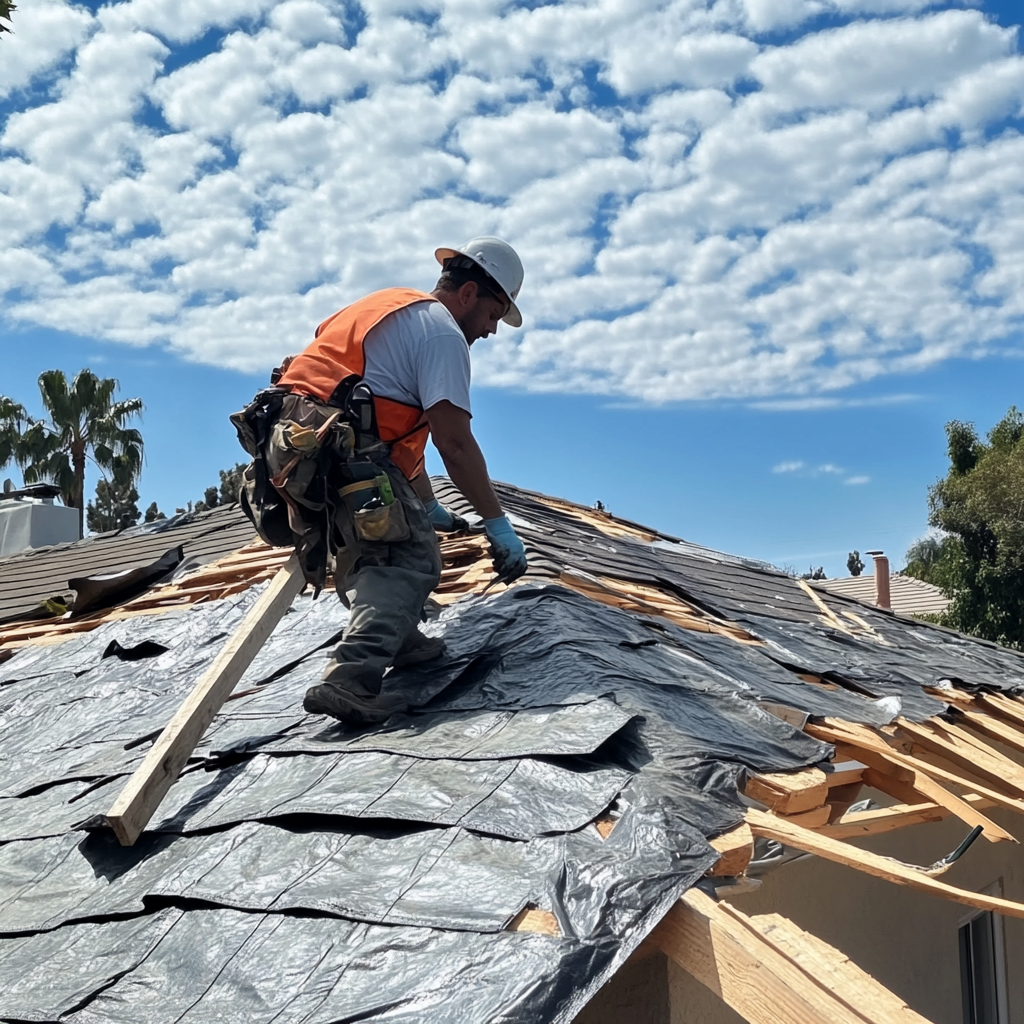
Repair may be possible if the problem is limited and the rest of the roof is in good condition. For example, a small area of damaged decking or a localized leak may be repaired without replacing the entire roof.
However, the repair should address the cause, not just the appearance. Flattening shingles or applying sealant over the area will not solve hidden moisture damage.
When Replacement May Be the Better Option
Roof replacement may be worth discussing if the roof has widespread waviness, major decking damage, multiple soft spots, repeated leaks, failing underlayment, widespread shingle cracking, or aging materials across several slopes.
If a roof is uneven because the underlying structure has been compromised in multiple areas, patching one spot may not provide a long-term solution.
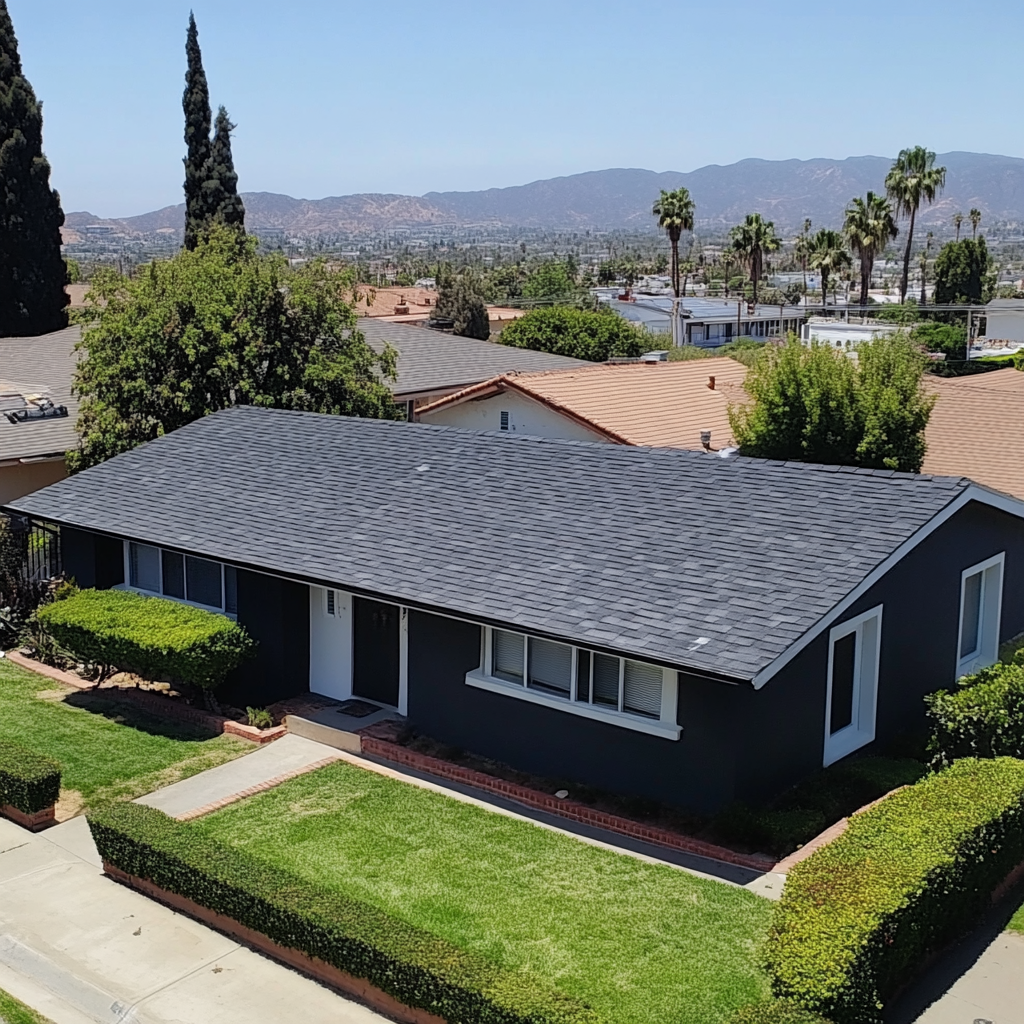
Van Nuys Roof Repair offers roof replacement in Van Nuys when the roof is too damaged or worn for repair to be the best option.
Do Not Walk on a Wavy Roof Yourself
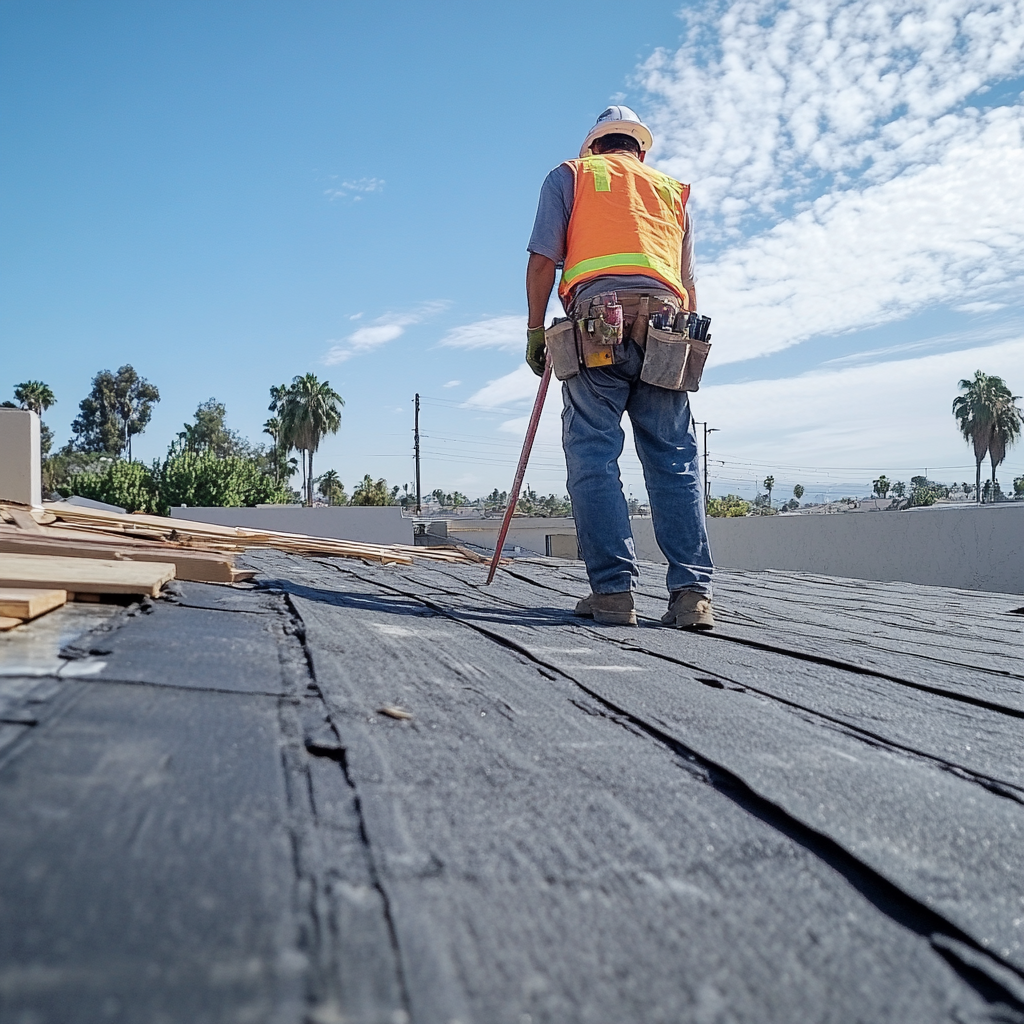
If your roof looks wavy, uneven, or sagging, do not climb onto it to investigate. Soft decking, loose shingles, cracked tiles, or unstable areas can make the roof unsafe to walk on.
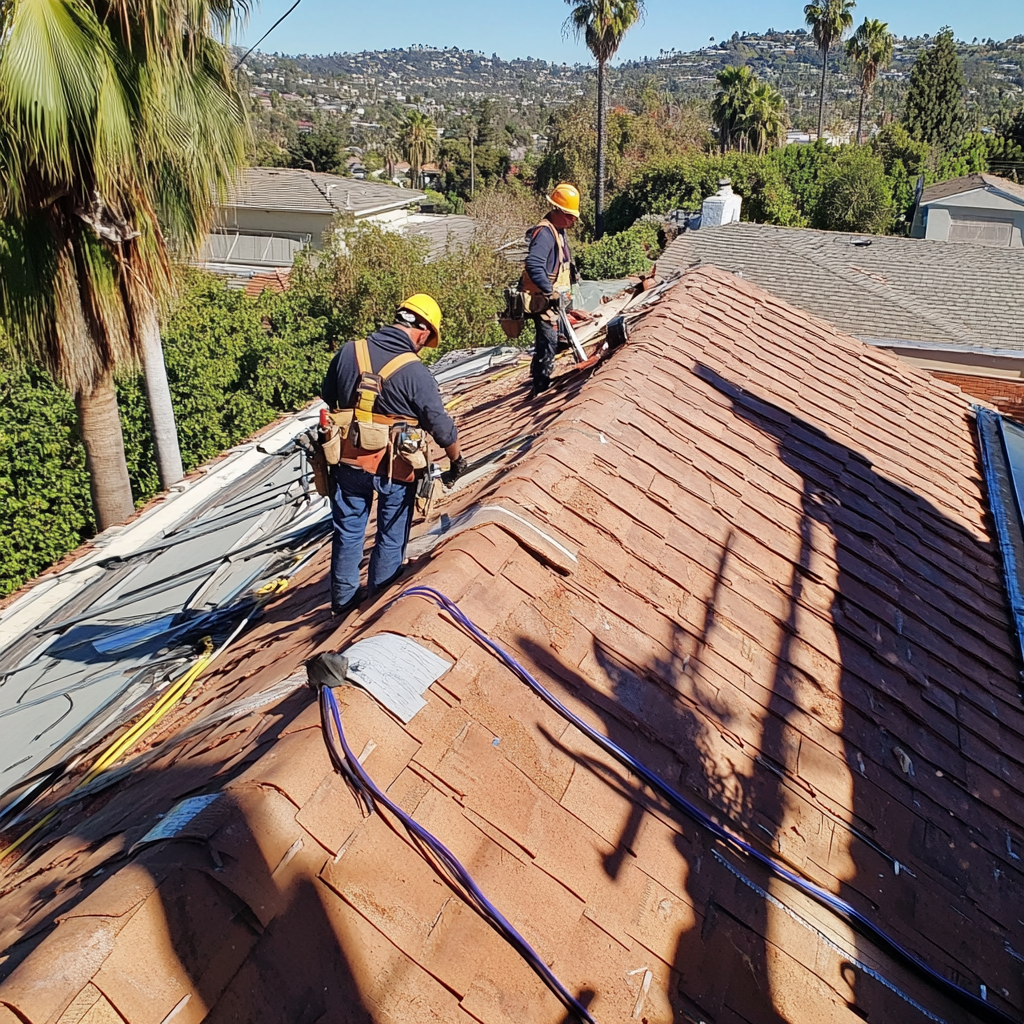
A professional roofer has the equipment and experience to inspect the roof safely. They can determine whether the uneven area is caused by surface material, water damage, decking issues, or a larger roof problem.
Van Nuys Roof Repair’s article on what questions to ask before hiring a roof repair company can help homeowners choose the right professional for an inspection or repair estimate.
Final Thoughts
If your roof looks wavy or uneven, it may be caused by heat-damaged shingles, poor installation, failed underlayment, damaged decking, roof valley leaks, flashing problems, clogged gutters, wind damage, or hidden moisture. Some unevenness may be cosmetic, but new or worsening waves should not be ignored.
A wavy roof can be an early warning sign that something beneath the surface needs attention. If you notice dips, ripples, sagging, lifted shingles, soft-looking areas, ceiling stains, or attic moisture, contact Van Nuys Roof Repair. A professional inspection can help determine whether repair, maintenance, or replacement is the safest next step.